
Reviewed · GUIDED
Boulder: Guided Astronomy Tour
Two hours. One sky full of answers. This guided astronomy tour near Boulder is interesting because you get real telescope time with a laser-guided tour, and you can do it without hiking. I especially like the hands-on approach and the way the guide turns the sky into something you can actually track with your own eyes. The main catch is simple: if the sky is too cloudy, the tour can get canceled.
If you want a night activity that works for a small group, this hits the sweet spot. It’s limited to 7 people, the setup is designed for easy access, and the guides (including Hailey and Kota, praised by guests) keep the vibe both friendly and focused. You’ll likely leave with a lot more than pretty photos, and you won’t need to be a math person to follow along.
In This Review
- Key things that make this Boulder astronomy tour worth your time
- Why this stargazing experience feels grounded (even when you’re not)
- Where you meet and how the night viewing setup works
- The sunset kickoff: your personal sky map with a laser pointer
- Big telescopes in real time: planets, nebulae, and galaxies
- The hands-on extras: solar system model and real meteorites
- What comfort looks like in Colorado after sunset
- Who this is best for (and who should skip it)
- Price and value: what $45 buys you in the real world
- Should you book this Boulder guided astronomy tour?
- FAQ
- How long is the Boulder guided astronomy tour?
- Where does the tour start?
- What time does the tour begin?
- How much does it cost?
- Is hiking required to join the tour?
- What language is the tour guide?
- What’s included for comfort and night viewing?
- What should I bring?
- Is the tour wheelchair accessible?
- Is it suitable for very young babies?
Key things that make this Boulder astronomy tour worth your time
- Pro astronomers guiding small groups so questions don’t get lost in the dark
- Large telescopes plus a laser pointer to help you find what you’re looking at
- No hiking required at an easy trailhead with flat parking-lot access
- Real learning extras like a solar system model and actual meteorites
- Comfort tools for Colorado nights including red lights, seating, and warm layers on request
- A tour built for multiple ages (with a note for late-night stamina)
Why this stargazing experience feels grounded (even when you’re not)
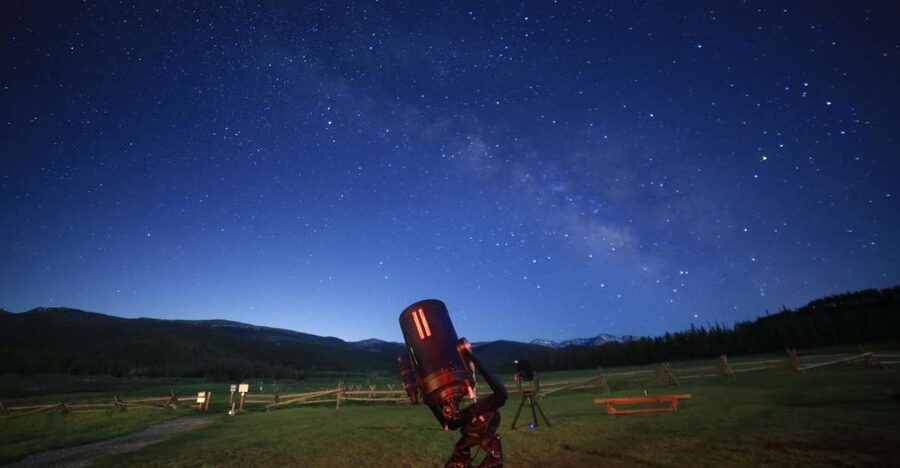
You don’t have to guess what you’re seeing here. The whole point is to help you connect the dots between what’s out there—planets, constellations, nebulae, clusters, galaxies—and what you’re actually aiming your eyes at through the telescopes. I like that it’s not treated like a magic show. It feels like guided exploration.
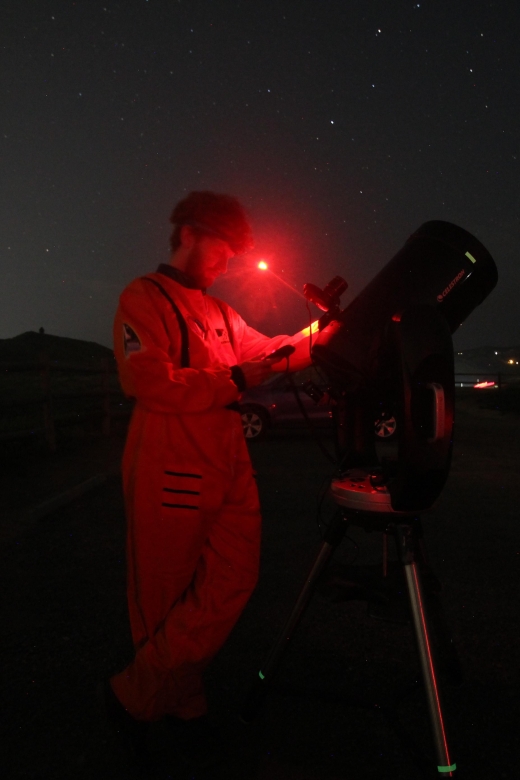
Two things make this tour especially practical. First, you get laser-guided pointing, which helps you learn the sky instead of just waiting for someone to tell you what’s cool. Second, you’re set up with red-light viewing tools, so you can keep your night vision while moving around and using the equipment.
The “pro astronomer” part matters too, because you’ll get explanations that are tailored to what’s visible that night. Even if you only know a few constellations, you can still follow the big picture: star navigation, how satellites can appear, and how the sky’s objects relate to one another.
More Denver days made easy with a guide
Where you meet and how the night viewing setup works
You’ll start at the Boulder Valley Ranch Trailhead parking lot, in the southeast corner opposite the pit toilet. It’s an easy-to-find spot, and the ground is flat, so you’re not fighting uneven trails just to get to the good part. If you’re using GPS, the tip I’d repeat is to look up Boulder Valley Ranch Trailhead in Google Maps rather than trusting a street address pin.
When you arrive, you’ll see the astronomy gear laid out for the group. Your guide will be easy to spot with the telescopes and equipment set up. That matters more than it sounds—when it’s dark, you want a clear “this way” moment fast, not a guessing game.
The viewing area setup is designed around night vision. You’re given red flashlights and you’ll use seating and positioning aids so you can stay comfortable while you look. There’s a step stool for access to eyepieces, and a cane is available for stability if you need it. That combination tells me the tour is actually thought through for real bodies in real cold weather.
Also helpful: bottled water is available upon request, and bug spray is provided. That’s not glamorous, but it’s the kind of detail that keeps the evening from turning into an itchy distraction.
The sunset kickoff: your personal sky map with a laser pointer
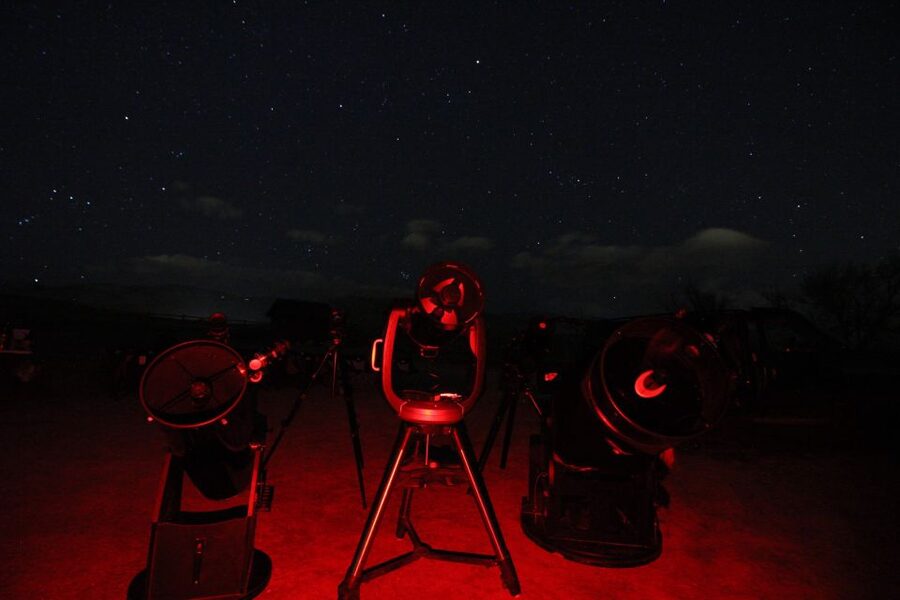
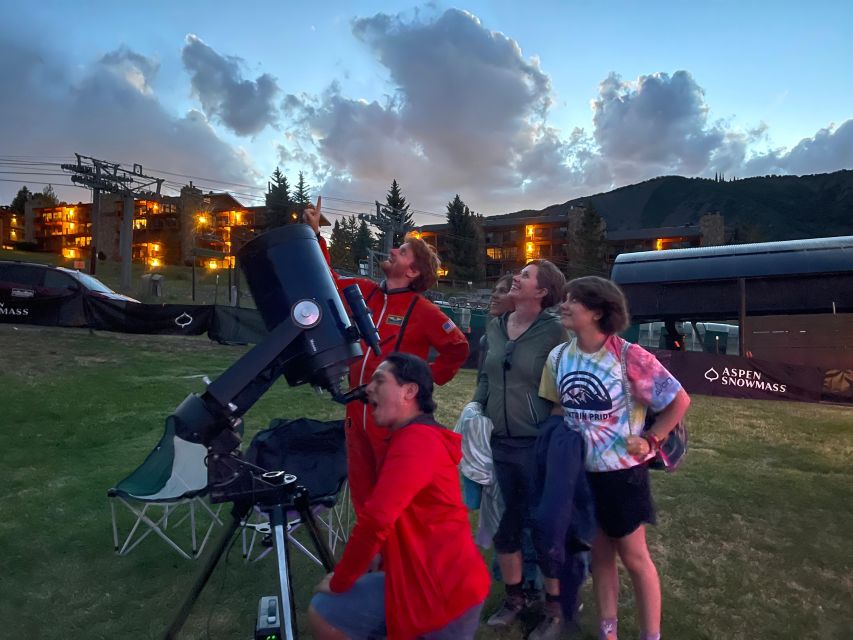
The tour begins at sunset and lasts about 2 hours. That timing is ideal because you’re not just staring into full darkness. You get a transition period where the guide can orient you, show you how to find things, and then shift into telescope viewing as the sky settles.
A key part of the experience is the laser-guided tour. You’ll use the pointer as the guide explains constellations and sky navigation. This is one of the best ways to learn quickly, because you’re not relying on a screen. You’re connecting the names to positions in the sky right in front of you.
As the tour goes on, expect coverage of multiple types of objects:
- Planets (when they’re visible)
- Constellations and patterns
- Star navigation basics
- Satellites (when conditions allow)
- Nebulae, clusters, and galaxies
And if you’re lucky, you may catch shooting stars. That’s the kind of bonus that makes stargazing feel alive, not scripted.
If you like asking questions, this is built for that. The tone is encouraged curiosity: bring your questions and the guide will help you make sense of what you’re seeing through the telescopes.
Big telescopes in real time: planets, nebulae, and galaxies
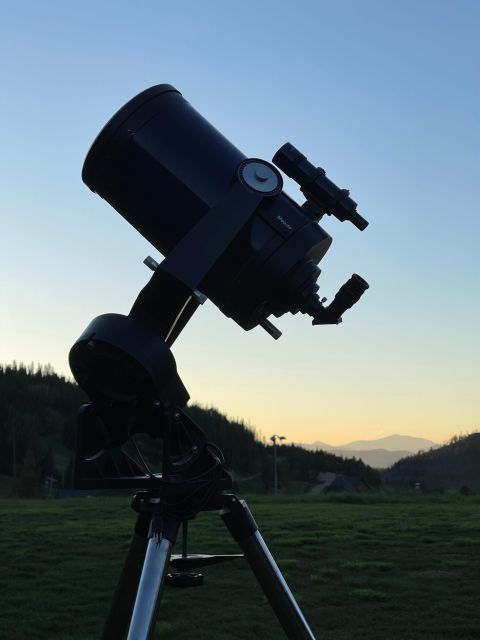
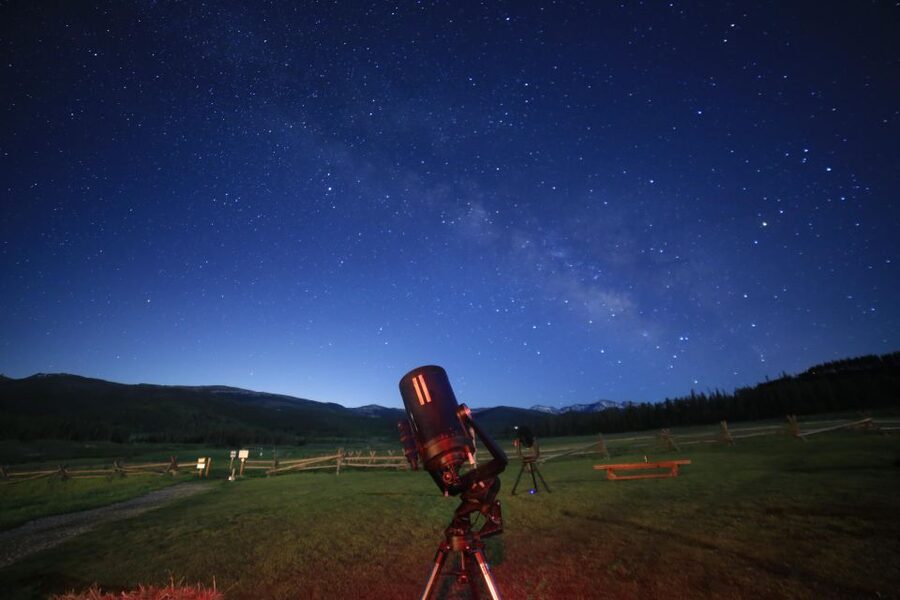
Telescope time is the heart of the tour, and it’s also where you’ll feel the difference between reading about astronomy and seeing it. You’ll look at celestial objects with high-powered telescopes, guided so you know what you’re aiming at and why.
Here’s what I think is the real value: the guide helps you interpret what you’re seeing. Telescopes don’t magically turn everything into bright, colorful photos. Instead, they reveal shape, structure, and contrast in ways your eyes can actually register. With the pointing support, you won’t spend the night searching blindly.
Depending on the night’s sky conditions, you might see:
- Close-up views of planets
- Star clusters that look more like systems than random dots
- Galaxies that are faint but unmistakable once located
- Nebulae and other deep-sky objects through the telescope’s view
Even if you don’t know the names, you’ll still build skills: how to identify regions, how to confirm you’re looking at the correct object, and how the guide’s explanations connect to the view.
This is where the small group size pays off. With a limit of 7 participants, you’re less likely to feel like telescope time is a conveyor belt. You should have enough attention to get your bearings fast.
The hands-on extras: solar system model and real meteorites
You’ll get more than telescope viewing. The tour includes educational demonstration equipment, including a solar system model and actual meteorites.
That’s a small detail with big impact. Models help you understand scale and relationships, especially if you’re thinking about planets and their places in our system. Meteorites are even more grounding because they make astronomy feel connected to physical matter. Instead of treating the sky as something distant and untouchable, you get a tangible connection to space rocks.
You’ll also get astronomy-themed take-home items: postcards and stickers that fit the theme, plus business cards with a quick reference guide. That’s useful if you want to remember what you learned while it’s still fresh, and if you want to look up constellations later from your own location.
What comfort looks like in Colorado after sunset
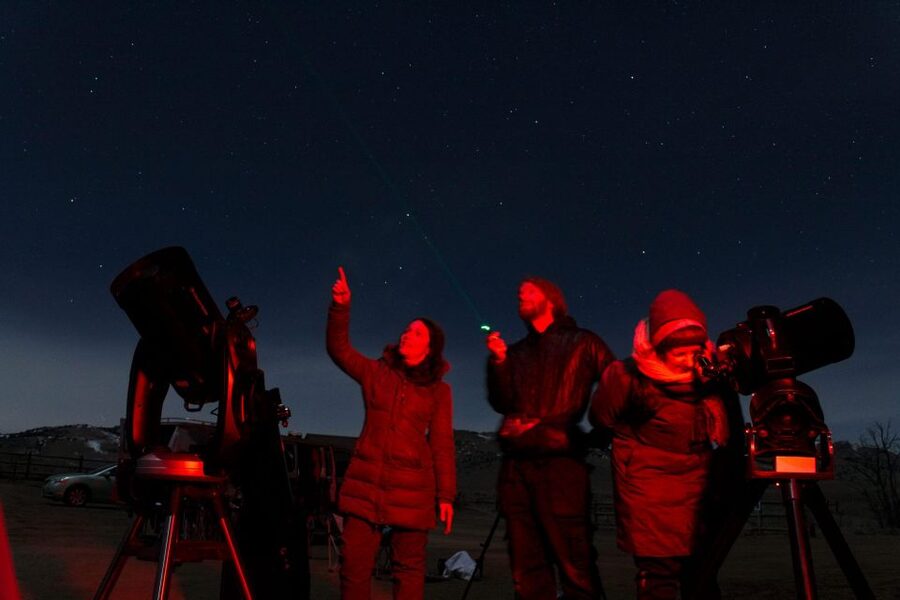
A good stargazing tour doesn’t ignore the cold. This one gives you real help so you can focus on the sky, not your discomfort.
You’ll have:
- Comfy camp seating
- Blankets and scarves available to use
- Hand warmers provided upon request
- Bug spray
- Bottled water upon request
- Red lights for night vision
And you’re also nudged to bring thermal clothing of your own, because temperatures can drop after sunset. Even with gear provided, you’ll enjoy the tour more if you show up dressed for the weather, not for a quick walk.
One more practical note: this tour is geared toward a developed mind. That doesn’t mean it isn’t all-ages, but it does mean very young kids may struggle with the late-night pacing and could doze off. If you’re planning for a family group, plan your expectations around that.


Who this is best for (and who should skip it)
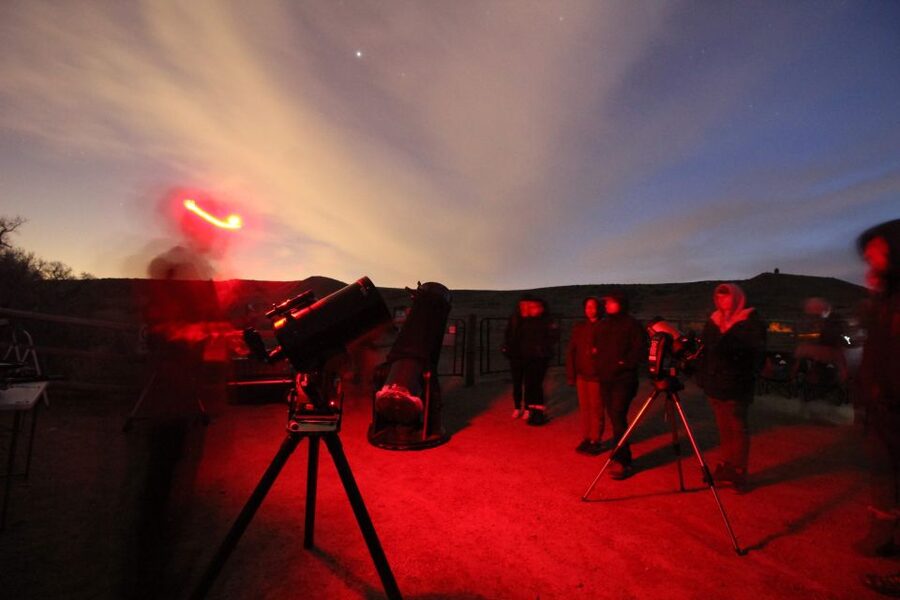
This experience is a strong fit if you:
- Want to learn the sky with guidance, not just take pictures
- Prefer a small group setting
- Appreciate hands-on teaching and real equipment
- Don’t want to hike to reach viewing spots
- Are traveling around Boulder and want a clear, structured 2-hour night plan
It’s also wheelchair accessible, with aids like a step stool for telescope viewing and stability support available. The setting is a trailhead parking lot, with flat ground and a pit toilet, which keeps things manageable.
It might be less ideal if you:
- Are expecting a guaranteed view of specific astronomical events. What you see depends on conditions and what’s visible that night.
- Are bringing a baby under 1 year, which isn’t suitable.
- Want a purely casual, no-instructions vibe. This tour is interactive and educational, and you’ll get the most from it if you show up curious.
Also, be ready for the reality of weather. The tour is subject to cancellation if clouds block star visibility. That’s not a dealbreaker, but you should keep your schedule flexible.
Price and value: what $45 buys you in the real world
At $45 per person for about 2 hours, you’re paying for more than a guide standing near you with a telescope. You’re paying for equipment, expertise, and a setup that supports comfort and learning in the dark.
Here’s how I think about the value:
- The professional astronomer guidance is the core service. This isn’t just someone who likes stars; it’s expert-led instruction.
- The telescopes are doing the heavy lifting. High-powered viewing equipment is expensive and requires skilled setup and operation.
- The small group size means attention per person is higher than in big public events.
- You’re not responsible for everything: red lights, seating, and key comfort items are provided, with warm layers support on request.
If you’re comparing this to DIY stargazing, the difference is time and confusion. DIY can be magical, but it’s also easy to spend the night pointing at the wrong patch of sky. Here, you’re taught how to find things and then you see them through the telescope.
For couples, friends, and families with kids old enough to stay engaged, it’s the kind of ticket that can feel like a shortcut to real understanding.
Should you book this Boulder guided astronomy tour?
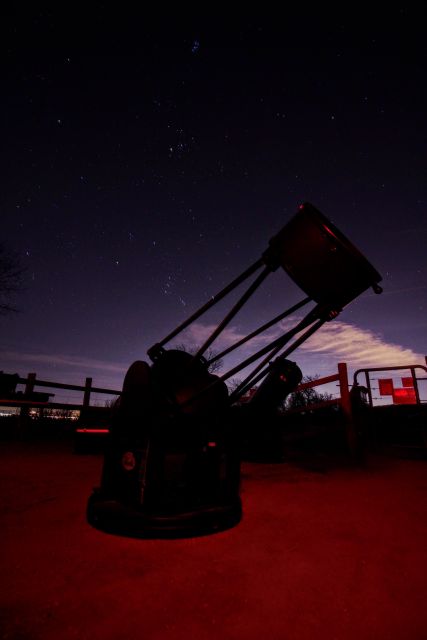
Yes, if you want a guided night under the stars that prioritizes learning, comfort, and actual telescope viewing. The combination of laser guidance, big telescopes, and hands-on extras like solar system models and meteorites is a clear win if you like asking questions and making the sky feel understandable.
I’d book especially if you’re short on time and want a structured 2-hour plan right outside Boulder. Just go in knowing two things: you need warm layers for after sunset, and cloudy skies can cancel the tour.
If that sounds like your kind of night, this is a solid pick.
FAQ
How long is the Boulder guided astronomy tour?
The tour lasts 2 hours.
Where does the tour start?
You’ll meet at the Boulder Valley Ranch Trailhead parking lot.
What time does the tour begin?
The tour starts at sunset.
How much does it cost?
It costs $45 per person.
Is hiking required to join the tour?
No. There’s no hiking required.
What language is the tour guide?
The tour is conducted in English.
What’s included for comfort and night viewing?
You’ll receive red lights for navigating and viewing, comfy camp seating, and you may use blankets and scarves. Hand warmers, bug spray, and bottled water upon request are also provided.
What should I bring?
Bring thermal clothing. The tour includes some warm items, but temperatures can drop after sunset.
Is the tour wheelchair accessible?
Yes, it’s wheelchair accessible, and there are accessibility aids like a step stool and cane support.
Is it suitable for very young babies?
No, it’s not suitable for babies under 1 year.
Easier With a Denver Guide
- Boulder: Electric Bike Tour with Local Guide (14yo & up))★ 5.0 · 3 reviews
More Tours in Boulder Colorado
- Boulder: Best of Boulder eBike Tour – City to Foothills★ 5.0 · 5 reviews
- Boulder: Electric Bike Tour with Local Guide (14yo & up))★ 5.0 · 3 reviews
More Tour Reviews in Boulder Colorado
- Boulder: Best of Boulder eBike Tour – City to Foothills★ 5.0 · 5 reviews
- Scenic Mountain Photoshoot in Boulder, Colorado★ 5.0 · 4 reviews
- Boulder: Electric Bike Tour with Local Guide (14yo & up))★ 5.0 · 3 reviews
Just Added: Fresh Denver Reviews
- Scenic Mountain Photoshoot in Boulder, Colorado
★ 5.0 · 4 reviews - Boulder: Best of Boulder eBike Tour – City to Foothills
★ 5.0 · 5 reviews - Boulder: Guided Astronomy Tour
★ 4.7 · 11 reviews
Guided, compared.
 ★ 5.0Guided Hiking Tour in Colorado Rocky Mountains View of Mt BlueSkyFrom $85366 reviews
 ★ 4.02 Hour Guided Segway TourFrom $69134 reviews
 ★ 5.0Estes Park Guided E-Bike TourFrom $110125 reviews
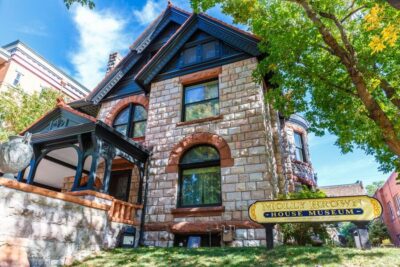 ★ 4.8Molly Brown House Museum Self-Guided Tour & EntryFrom $15108 reviews
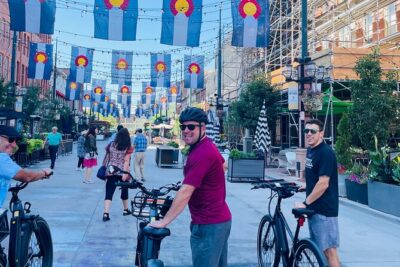 ★ 5.0Denver’s Highlights and Hidden Gems Guided E-Bike TourFrom $105102 reviews
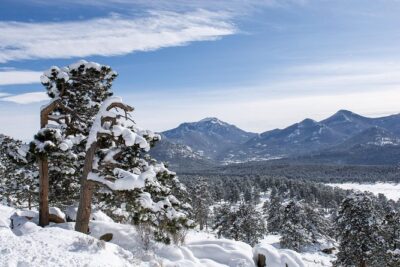 ★ 5.0Rocky Mountain National Park Tour – Winter In The Park – Estes Park Guided ToursFrom $10295 reviews
 ★ 4.5Rocky Mountain National Park Self-Guided Driving Audio TourFrom $1692 reviews
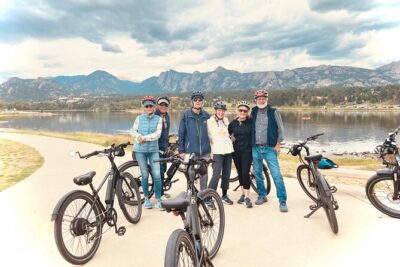 ★ 5.0Estes Park Guided EBike Tour Explore a Mountain Town by EbikeFrom $11088 reviews