
Reviewed · ROCKY MOUNTAIN NATIONAL PARK TOURS
Rocky Mountain National Park Self-Guided Driving Audio Tour
You don’t need a tour bus to get the good stuff at Rocky Mountain National Park. This self-guided driving audio tour strings together wildlife chances, overlooks, and history-style stop stories across one long route you can run on your schedule.
I especially like that it works fully offline after you download it (maps and audio), so the mountains won’t break your day. I also like the hands-free setup where the audio plays based on where you are, which keeps your focus on parking, views, and short walks instead of juggling a phone.
The only real drawback: you’re doing all the driving and you’ll get the best results only if you follow the route closely, since GPS lag or road changes can throw off when each story triggers.
In This Review
- Key things to know before you start
- Why a self-guided RMNP drive beats a rigid tour day
- Price and value: what $16.99 per group really buys
- Offline audio that actually matters in the mountains
- Timed entry, road closures, and planning your drive
- Beaver Ponds to Alpine Visitor Center: wetlands, meadows, and high-elevation storytelling
- Stop 1: Beaver Ponds (wetlands boardwalk)
- Beaver Meadows Visitor Center (park headquarters area)
- Deer Mountain Trailhead (1,000-foot climb for views)
- Hidden Valley (boreal forest feel)
- Many Parks Curve Overlook and Rainbow Curve Overlook (three meadows and the tree line)
- Ute Trailhead and Forest Canyon Overlook (tribal history plus big altitude)
- Lava Cliffs Overlook and Gore Range Overlook (geology with attitude)
- Alpine Visitor Center (highest-elevation visitor center)
- Medicine Bow Curve and Poudre Lake (Wyoming views and frozen-through ice)
- Fairview Curve Viewpoint (Never Summer Mountain Range)
- Colorado River Trail and historic sites: the park’s human timeline
- Stop 2/3: Colorado River Trail (river history plus views)
- Timber Creek Road Camp Barn (construction glimpse)
- Holzwarth Historic Site (from family home to dude ranch)
- Bowen/Baker Trailhead (long trail challenge)
- Coyote Valley Trail (easier trek plus fishing)
- Onahu Trailhead (another tribal connection)
- Grand Lake finish and the Bear Lake section: picnic breaks, aspens, and lake finales
- Stop 4: Grand Lake (your base for amenities)
- Moraine Park Amphitheater (early park days)
- Moraine Park (horseback riding)
- Cub Lake Trailhead (wildfire damage and recovery)
- Fern Lake Trailhead (quiet away from crowds)
- Stop 5: Odessa Lake–Flattop Mountain Junction and Eagle Cliff Mountain
- Hollowell Park (picnic with Mill Creek Basin views)
- Sprague Lake (sunrise spot)
- Bierstadt Lake Trailhead (beauty with fewer visitors)
- Glacier Gorge Junction (quaking aspens)
- Bear Lake (final big photos)
- Practical tips that help you get the best version of the tour
- Who should book this self-guided driving audio tour
- Should you book this RMNP audio tour?
- FAQ
- How long does the Rocky Mountain National Park self-guided driving audio tour take
- Can I use the tour offline in the park
- What do I pay for, and how many people can use one booking
- Do I need park passes
- Does the audio play automatically while I drive
- Do I need cell service or a SIM card for the audio
- What if I get GPS lag or the audio feels out of sync
- Are timed-entry permits required
- Where do I start and where does it end
Key things to know before you start
- Offline maps and audio mean you’re not hunting for cell service at every pull-off.
- One purchase per car (up to 4 people) is usually cheaper than paying for separate tours.
- Audio starts automatically at the first story point and continues as you drive, with the option to pause anytime.
- 40+ miles and 60+ audio stories can take around 2–3 hours at a steady, sightseeing pace.
- Timed-entry rules and road closures can affect how much of the route you can actually drive that day.
- Route-following matters: if you detour or change speed, some stories may feel late or require manual control.
Why a self-guided RMNP drive beats a rigid tour day
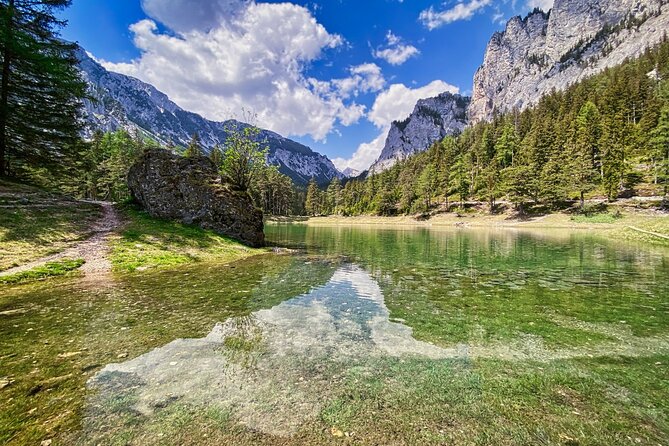
Rocky Mountain National Park is big, and time gets eaten fast when you’re stuck with a group schedule. This kind of self-guided audio route helps you slow down for the things you care about, like quick lookout photos or short trail detours, without asking anyone’s permission.
The payoff is practical: you get narration that tells you what you’re looking at and why it matters. Instead of arriving at a viewpoint and guessing, you’ll get context tied to the stop—wetlands, high-elevation tree lines, alpine lakes, and human history along the way.
If you want a more laid-back visit, this style fits well. If you’re hoping for a relaxed day where someone else does the logistics, you’ll need to be comfortable driving and managing parking.
More of the park, gateway to the high peaks
Price and value: what $16.99 per group really buys
At $16.99 per group (up to 4), your cost is tied to the car, not how many people you squeeze in. That’s a big deal in RMNP, where guided tours often price per person and add up quickly for families or small groups.
The route is long—think 40+ miles—with 60+ audio stories. In normal “we stop often but not forever” conditions, that lands around 2–3 hours (listed as 2 to 4 hours). You’re paying for a guided-feeling experience across a bunch of viewpoints and pull-offs.
Do note one tradeoff: you’re paying for audio guidance, not park entry. So you still need to handle your park pass/timed entry separately.
Offline audio that actually matters in the mountains
This tour is built around one key idea: your phone shouldn’t need service to work. After you book, you get instructions and a password, and you must download the tour while you’re in strong Wi‑Fi/cellular. Once downloaded, it’s designed to work offline, including offline maps.
Here’s how the “smooth day” version works:
- You start at the designated starting point, then the audio should begin automatically when you’re at the story trigger area.
- Stories play as you drive, and you can pause and resume whenever you stop for a snack, restroom, or short walk.
- You can connect your phone to the car stereo via Bluetooth, USB, or AUX, or use headphones if you’re hopping out to walk.
One detail that affects timing: the audio sync is location-based. If your GPS gets slow or you’re not closely following the route and speed cues, you might experience stories feeling slightly late. The fix is simple: stay on the intended drive route and keep an eye on where you actually are before moving on.
Timed entry, road closures, and planning your drive
Rocky Mountain National Park uses timed-entry permits in season. For May 23 to Oct 13, 2025, you need a permit for 9 AM–2 PM, and for Bear Lake Corridor access it extends to Oct 19 (5 AM–6 PM). Permits open monthly (1st of each month), and day-of availability drops at 7 PM MDT.
So even with a perfect audio app, your day can still be limited by access rules. One traveler tip that helps: don’t assume you can reach Bear Lake Road later if you enter the park during a restricted window. Plan your timing so the areas you care about are actually reachable on your reservation.
Also check current road conditions. A specific warning is included about winter conditions: Trail Ridge Road can be closed to thru travel (east side at Rainbow Curve and west side at Colorado River Trailhead), and Old Fall River Road can be closed too. If roads are closed, you’ll likely lose part of the route.
Beaver Ponds to Alpine Visitor Center: wetlands, meadows, and high-elevation storytelling
This drive segment is where the park starts feeling like a mix of soft wetlands and sharp alpine reality. Expect to spend time at pull-offs and trailheads, with narration that tells you what’s happening in the plant life, the geology, and even the human presence that predates the modern park.
Stop 1: Beaver Ponds (wetlands boardwalk)
Start with Beaver Ponds, including an easy boardwalk through wetlands. It’s a gentle way to ease into the park’s scale and it’s especially good if you want something calmer than a summit push.
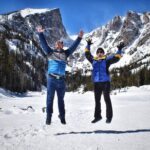
Beaver Meadows Visitor Center (park headquarters area)
From there you’ll reach the Beaver Meadows Visitor Center, also described as the park’s administration building and principal visitor center. This is a natural place to regroup, check what’s open, and handle quick questions before you keep climbing into higher terrain.
Deer Mountain Trailhead (1,000-foot climb for views)
Next is the Deer Mountain Trailhead, which leads up about 1,000 feet to views from a mountainous summit. The audio angle here is all about perspective: why this kind of hike feels like a step-change from lower elevations.
Hidden Valley (boreal forest feel)
After that, Hidden Valley brings in a boreal forest vibe, with narration tied to hardy plants. This is the part of the tour where the “what you see” sounds match what you’re actually standing in.
Many Parks Curve Overlook and Rainbow Curve Overlook (three meadows and the tree line)
Two classic viewpoints come right after: Many Parks Curve Overlook, known for views of three mountain meadows, then Rainbow Curve Overlook, positioned beyond the altitude where most trees can’t grow. If you’ve ever wondered why the park starts looking more open at elevation, this stop explains it in plain terms.
Ute Trailhead and Forest Canyon Overlook (tribal history plus big altitude)
At the Ute Trailhead, the audio shifts to the Ute tribe and their connection to the Rockies. You then reach Forest Canyon Overlook, described as a vista from 12,000 feet and paired with Arapaho facts in the narration.
Lava Cliffs Overlook and Gore Range Overlook (geology with attitude)
Next comes Lava Cliffs Overlook—the name grabs you because the Rockies aren’t usually described that way. The narration points to 28 million-year-old cliffs. Then Gore Range Overlook adds a time-of-day clue: the deep red coloring at certain times can make the range look almost unreal.
Alpine Visitor Center (highest-elevation visitor center)
You’ll pass the Alpine Visitor Center, highlighted as the highest-elevation visitor center in any US national park. Even if you just grab water, this is a smart stop because the air feels different up here, and the visitor center makes it easier to slow down safely.
Medicine Bow Curve and Poudre Lake (Wyoming views and frozen-through ice)
At Medicine Bow Curve, the narration says you can see Wyoming from this high viewpoint. Then Poudre Lake is next, an alpine lake that freezes all the way through each winter—so it’s a different world depending on the season.
Fairview Curve Viewpoint (Never Summer Mountain Range)
The segment ends with Fairview Curve Viewpoint, set up for views of the Never Summer Mountain Range. This is the kind of stop where the narration helps you place what you’re seeing before you drive on.
Colorado River Trail and historic sites: the park’s human timeline
After the high-elevation storytelling, the route leans into a more historic and “how the park was built” style of information. You’re still driving past overlooks and trailheads, but the focus turns to rivers, ranch life, and long-term land use.
Stop 2/3: Colorado River Trail (river history plus views)
You’ll get to Colorado River Trail, where narration ties into views of the famous river and gives surprising history about it. It’s a good reminder that a scenic view is never only scenery.
Timber Creek Road Camp Barn (construction glimpse)
Next is Timber Creek Road Camp Barn, which gives you a peek at the ambitious work that went into the park’s road infrastructure. If you’ve ever wondered how long it takes to build access in rugged terrain, this helps you connect the dots.
Holzwarth Historic Site (from family home to dude ranch)
At Holzwarth Historic Site, the story goes from a small family home to one of the first dude ranches before the area became a national park. The tone here is less about daily hiking and more about how the Rocky Mountain experience was shaped for visitors long before modern tourism.
Bowen/Baker Trailhead (long trail challenge)
Then there’s the Bowen/Baker Trailhead, described as the start of one of the park’s longest trails. This is for experienced hikers who want a bigger commitment—not for a quick stop-and-stretch.
Coyote Valley Trail (easier trek plus fishing)
Coyote Valley Trail comes next with an option for a shorter, easier hike and even fishing opportunities. If you want movement but not a full day, this stop works better.
Onahu Trailhead (another tribal connection)
Finally in this history stretch is the Onahu Trailhead, which brings in the story of the Onahu people who also called the Rockies home. It keeps the cultural thread moving through the drive.
Grand Lake finish and the Bear Lake section: picnic breaks, aspens, and lake finales
This is where the park often shifts from “look and learn” to “take your time and feel the day.” The narration continues to connect you to what’s around you, from wildfire impacts to the look of alpine trees.
Stop 4: Grand Lake (your base for amenities)
The tour’s route brings you into the town of Grand Lake, with amenities for food and breaks. Even if you don’t stop long, it’s a useful pivot point for pacing.
Moraine Park Amphitheater (early park days)
If you take a Bear Lake detour, you’ll come first to Moraine Park Amphitheater, dating to the park’s earliest days. It’s a nice contrast to the wild surroundings: human gatherings happened here early, too.
Moraine Park (horseback riding)
At Moraine Park, the narration points out scenic horseback riding. If you prefer to see more terrain without hiking every segment, this is the kind of pairing that makes sense.
Cub Lake Trailhead (wildfire damage and recovery)
Then you reach Cub Lake Trailhead, where the audio explains lasting damage from wildfires within the park. This is one of the tour’s more honest themes: the park changes, and it changes in visible ways.
Fern Lake Trailhead (quiet away from crowds)
Next is Fern Lake Trailhead, described as a peace-and-quiet option away from crowds. If you want a calmer moment, this is where the tour steers you.
Stop 5: Odessa Lake–Flattop Mountain Junction and Eagle Cliff Mountain
Continuing, you’ll hit Odessa Lake–Flattop Mountain Junction, and narration names Eagle Cliff Mountain, where golden eagles and bald eagles are frequently seen. If wildlife is part of your plan, this section is worth slowing down for.
Hollowell Park (picnic with Mill Creek Basin views)
At Hollowell Park, you get a picnic table friendly setup with views of Mill Creek Basin below Longs Peak. This is a classic “let the car rest” stop that still keeps you connected to the main scenery.
Sprague Lake (sunrise spot)
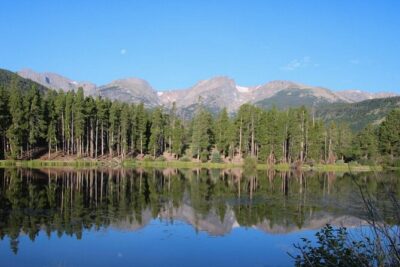
Sprague Lake is next and is called out as one of the best places in the park to catch sunrise. If you can time it early, it’s the kind of stop that turns a normal drive into a memorable morning.
Bierstadt Lake Trailhead (beauty with fewer visitors)
Then it’s Bierstadt Lake Trailhead, described as very beautiful and often with fewer visitors than some other big stops. If you’re trying to avoid the most crowded photo moments, this helps.
Glacier Gorge Junction (quaking aspens)
At Glacier Gorge Junction, the audio sets you up for a trek through quaking aspens—iconic, hardy trees that signal seasonal change.
Bear Lake (final big photos)
The route ends at Bear Lake, described as a phenomenal place to finish photos and take in the park’s pristine beauty. It’s a solid landing point: you’ll feel like you completed a big loop of the Rockies, not just a string of roadside stops.
Practical tips that help you get the best version of the tour
Here are the things that matter most for a smooth day:
- Download the tour while you still have strong Wi‑Fi or cell service. If it only partially downloads, service gaps in RMNP can turn it into an annoying guessing game.
- Start at the exact meeting point and follow the route. Audio sync is tied to location, so detours can shift the timing.
- Plan for timed entry and road status first, then plan which stops you’ll prioritize.
- Use the car stereo for driving and switch to headphones only if you’re doing short walks where you need audio control.
- Expect to do more driving than walking. This is the right tool if you like road-trip rhythm and short stops, not long hikes.
Who should book this self-guided driving audio tour
This tour fits best if you want a budget-friendly way to add stories to a Rockies road day. It’s also great for families or mixed-experience groups because nobody needs to keep up with a guide pace.
Choose it if you like:
- driving between viewpoints and trailheads,
- learning why the park looks the way it does,
- and stopping when you feel like it.
Consider skipping (or at least temper expectations) if:
- you hate being the driver for hours,
- your phone GPS tends to lag or you expect to make lots of detours,
- you’re relying on the tour for access if roads are closed that day.
Should you book this RMNP audio tour?
Yes, if you’re aiming for maximum flexibility and value. Paying $16.99 per car for 60+ stop stories plus offline audio and offline maps is a strong deal, especially when you’re visiting as a small group.
Hold off or plan carefully if your dates put you inside timed-entry windows you haven’t secured, or if road closures are likely where you’ll want to drive. This tour can’t fix access limits, but it can make the parts you do reach feel more connected and less confusing.
If you’re ready to drive, download ahead, and stick close to the route, this is an easy way to turn a good day in Rocky Mountain National Park into a much more meaningful one.
FAQ
How long does the Rocky Mountain National Park self-guided driving audio tour take
The tour is listed as about 2 to 4 hours, and it’s described as taking roughly 2 to 3 hours to complete at the typical pace for the route.
Can I use the tour offline in the park
Yes. After downloading, the tour is designed to work completely offline, with offline maps and audio. You do need to download it in advance while you have strong Wi‑Fi or cell service.
What do I pay for, and how many people can use one booking
It’s $16.99 per group (up to 4), and the tour is purchased per car rather than per person.
Do I need park passes
Park passes are not included. You’ll need to arrange admission/permits separately.
Does the audio play automatically while I drive
Yes. The audio is set up to begin automatically when you start at the first story point, and it continues as you reach the next location. You can also pause and resume when you stop.
Do I need cell service or a SIM card for the audio
No, the tour is designed to work without cellular or wifi once downloaded.
What if I get GPS lag or the audio feels out of sync
If the audio feels late, the guidance is to follow the route and speed limit for the best syncing. Some detours or timing changes can affect how the location-triggered stories play.
Are timed-entry permits required
Timed-entry permits are required from May 23 to Oct 13, 2025 (9 AM–2 PM), and Bear Lake Corridor access has additional permit timing requirements through Oct 19 (5 AM–6 PM).
Where do I start and where does it end
It starts at and ends at Harbison Meadows Picnic Site in Rocky Mountain National Park near US‑34, Grand Lake, CO.
More Tours in Rocky Mountain National Park
- Private Wildlife Driving Tour in Rocky Mountain National Park★ 5.0 · 79 reviews
- Private Wildlife Hiking Tour in Rocky Mountain National Park★ 5.0 · 24 reviews
- Private Geology Tour in Rocky Mountain National Park★ 5.0 · 23 reviews
- Rocky Mountain National Park:Star Tour★ 4.7 · 23 reviews
- Private Snowshoe Tour in Rocky Mountain National Park (seasonal)★ 5.0 · 12 reviews
More Tour Reviews in Rocky Mountain National Park
- Private Wildlife Driving Tour in Rocky Mountain National Park★ 5.0 · 79 reviews
- Private Wildlife Hiking Tour in Rocky Mountain National Park★ 5.0 · 24 reviews
- Private Geology Tour in Rocky Mountain National Park★ 5.0 · 23 reviews
- Rocky Mountain National Park:Star Tour★ 4.7 · 23 reviews
- Private Snowshoe Tour in Rocky Mountain National Park (seasonal)★ 5.0 · 12 reviews
More Ways Into the Park
- Private Wildlife Driving Tour in Rocky Mountain National Park★ 5.0 · 79 reviews
- Private Wildlife Hiking Tour in Rocky Mountain National Park★ 5.0 · 24 reviews
- Private Geology Tour in Rocky Mountain National Park★ 5.0 · 23 reviews
- Rocky Mountain National Park:Star Tour★ 4.7 · 23 reviews
- Private Snowshoe Tour in Rocky Mountain National Park (seasonal)★ 5.0 · 12 reviews
Just Added: Fresh Denver Reviews
- Star Tours Rocky Mountain National Park
★ 3.5 · 3 reviews - Ultimate Colorado Bundle: Self-Guided Driving & Walking Tours
★ 4.5 · 5 reviews - Sunset and Night Photography Tour on Trail Ridge Road
★ 5.0 · 6 reviews - Full Day Tour in Rocky Mountain National Park Lunch Included
★ 5.0 · 6 reviews - Private Snowshoe Tour in Rocky Mountain National Park (seasonal)
★ 5.0 · 12 reviews - Private Geology Tour in Rocky Mountain National Park
★ 5.0 · 23 reviews
Rocky Mountain National Park Tours, compared.
 ★ 5.0Discover Rocky Mountain National ParkFrom $1993,419 reviews
 ★ 5.0Rocky Mountain National Park in Summer Tour from DenverFrom $169696 reviews
 ★ 5.0Rocky Mountain National Park and Estes Park Tour from Denver Winter and SpringFrom $149511 reviews
 ★ 5.0The Rocky Mountain National Park Safari TourFrom $119366 reviews
 ★ 5.0Retractable Glass Top Tour in Rocky Mountain National ParkFrom $107357 reviews
 ★ 5.0Estes Park: Rocky Mountain National Park Glass-Top Bus TourFrom $156266 reviews
 ★ 4.8Estes Park: Rocky Mountain National Park Safari TourFrom $130264 reviews
 ★ 4.8From Denver: Rocky Mountain National Park Day Trip and LunchFrom $190264 reviews
Browse the lists this tour appears in