
Reviewed · ROCKY MOUNTAIN NATIONAL PARK TOURS
Rocky Mountain National Park Self-Guided Audio Tour
33 stops, one self-paced drive.
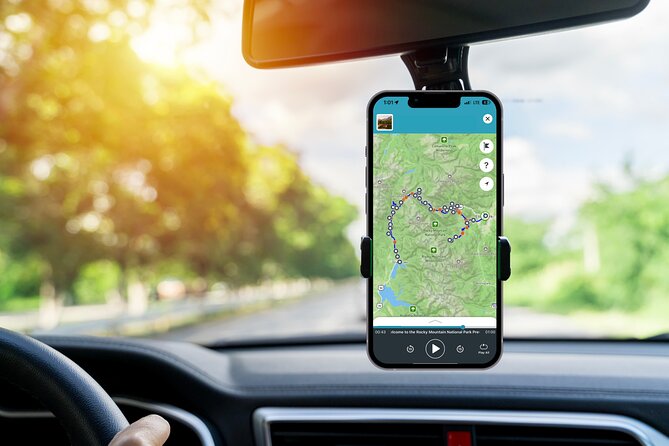
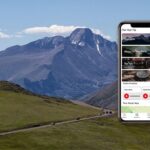
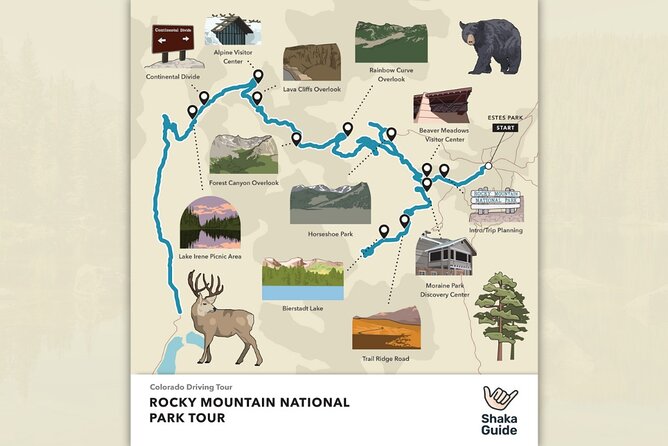
This Rocky Mountain National Park self-guided audio tour turns your car trip into a storyline, with GPS-activated narration and music plus an offline map that keeps working when cell service fades. You start in Estes Park and finish in Grand Lake, hopping between visitor centers, viewpoints, and trails without needing to book timed tickets for every stop.
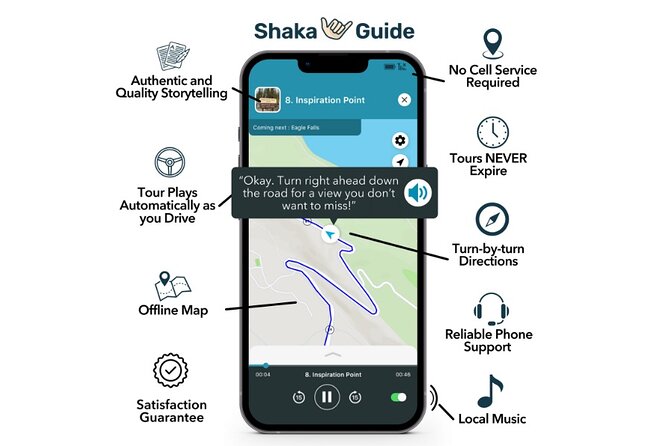
I really like two things right away. First, the audio plays automatically as you drive, so you don’t have to stop and fumble with your phone. Second, the tour gives you practical context at each stop, from what to look for to quick trail choices—so your stops feel purposeful, not random.
The main thing to watch is tech setup: you’ll want to download and test the experience on Wi‑Fi before you start driving. If you’re not in the habit of loading apps and redeeming codes, this is the one spot where you could get frustrated and lose time.
In This Review
- Key highlights you’ll actually use
- Price and value: $12.79 per group is the real pitch
- Before you drive: Estes Park supplies and the app download
- Orientation stops: Estes Park, Beaver Meadows, and Moraine Park
- Easy trails, lake views, and wildlife magnet stops
- Small walks, boardwalks, and tundra education that doesn’t waste time
- Lava rock, big peaks, and the highest visitor center payoffs
- Lake Irene loop, Sheep Rock spotting, and curve overlooks at altitude
- Historic homesteading and river trails: Holzwarth to the Kawuneeche area
- Grand Lake finish: where to eat and what to do after the drive
- Who this tour fits best (and who should reconsider)
- Should you book Rocky Mountain National Park’s audio drive?
- FAQ
- How much does the Rocky Mountain National Park self-guided audio tour cost?
- How long is the tour?
- Does the tour work offline?
- Where does the tour start and end?
- Are entrance fees and parking included?
- What language is the narration available in?
- Can I choose which stops to visit?
- Is it private for my group?
Key highlights you’ll actually use
- GPS-activated narration while you drive, so your attention stays on the scenery and the road
- Offline everything (audio + map), which matters in a park where signal can be unreliable
- One price per vehicle/group (up to 15), a strong value for families and small groups
- 33 flex stops across viewpoints, visitor centers, short walks, and longer hikes
- “Skip what you don’t want” routing, so you can match the day to your energy level
Price and value: $12.79 per group is the real pitch
At $12.79 per group (up to 15 people), the tour is priced like something you’d add to a trip budget, not a major expense. The value gets even better because it’s one tour per vehicle/group, not a per-person charge. That means a family of four, a couple of friends in one car, or a small group can all use the same narration plan for a low, predictable cost.
What you should plan for: the tour fee doesn’t cover entrance fees, parking fees, or meals. You’ll still want to budget for park access and whatever snacks you bring or buy at the visitor centers that have food options. In return, you get a built-in “guide voice” across a big stretch of Rocky Mountain National Park and into the Grand Lake area.
More of the park, gateway to the high peaks
Before you drive: Estes Park supplies and the app download
Start in Estes Park, which is your staging point before the park day really kicks in. Here’s the practical reality: there’s a seasonal cafe and no gas inside Rocky Mountain National Park, so stock up on water, snacks, and anything you’ll want for picnicking before you head in.
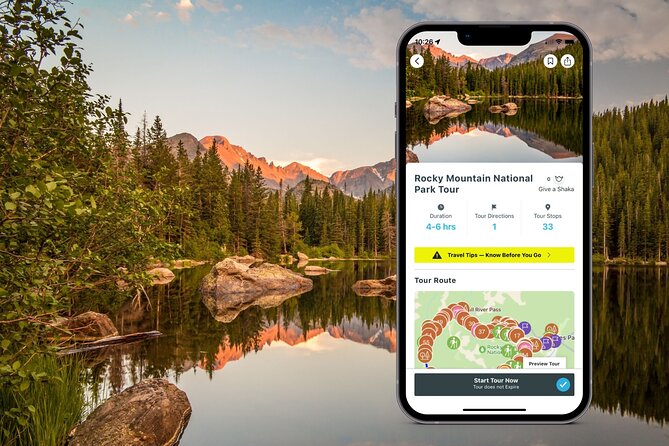
You’ll also want to handle the tour tech early. The experience uses a mobile app with a redeem code and an offline download requirement—so use strong Wi‑Fi before you set out. Once you’re moving, you can start, pause, and resume on your own schedule, and the tour doesn’t expire, which is handy if you need to split it across multiple days.
Orientation stops: Estes Park, Beaver Meadows, and Moraine Park
Stop 1: Estes Park
Use this first stop to get ready like a local. Grab supplies for your picnic plan, check what you need for trail comfort, and top off the tank. The park has numerous picnic areas, so think ahead: water and simple food can make a huge difference when you’re bouncing between pull-offs.
Stop 2: Beaver Meadows Visitor Center
This is your fast-track to choosing the right trail. The visitor center has a trail map and park maps, plus bathrooms and a small gift/souvenir area. If you’re the type who likes to decide in the moment, this is a strong first “information hub” before you start hiking.
Stop 3: Moraine Park Discovery Center
If you want your photos to come with better captions, this place helps. You’ll learn about the park’s geology and history, and the building has its own backstory as the last standing structure from the Moraine Park Lodge—a reminder that this region has long pulled in vacation crowds.
Easy trails, lake views, and wildlife magnet stops
Stop 4: Bear Lake Trailhead
This is a classic quick win. The Bear Lake Trail is the quickest and most popular option at about 15 minutes, with other choices ranging from 30 minutes up to around 2.5 hours. It’s a good way to get a taste of Rocky Mountain terrain without committing to a half-day hike.
Stop 5: Glacier Gorge Junction Trailhead
Here, you’re choosing from multiple trails. If you want a longer, still-manageable hike, the Glacier Gorge Trail is recommended and described as an easy hike just over three hours, with popularity for birding and camping. Bring the right mindset: this is where you’ll likely feel like you left the car for real.
Stop 6: Bierstadt Lake
This one runs just over three miles and is known for being popular for snowshoeing, horseback riding, and lake views. Even if you don’t do those specific activities, it signals the vibe: this route is good for people who want a real walk and a payoff lake moment.
Stop 7: Horseshoe Park
This valley is named for the horseshoe shape carved by glacial melt millions of years ago. Today, it’s about wide meadows and wildlife. This stop is less about one “thing” and more about settling into the open space and watching what moves.
Stop 8: Sheep Lakes
You get park info and exhibits right beside four beautiful Sheep Lakes. It’s also a strong wildlife watching area, noted for bighorn sheep and elk. If you like the thrill of seeing animals from a safe distance, this is one of the stops to prioritize.
Small walks, boardwalks, and tundra education that doesn’t waste time
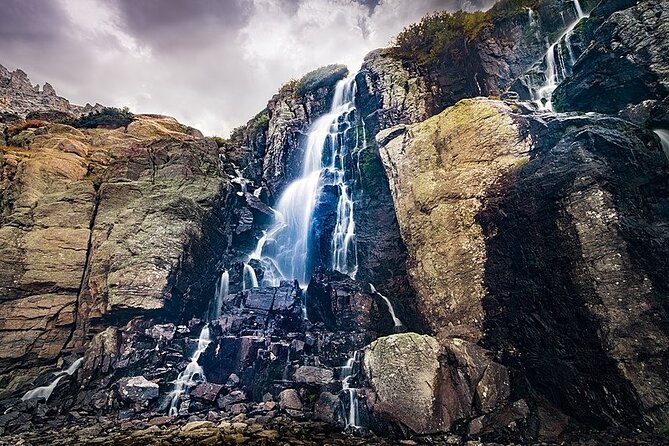
Stop 9: Alluvial Fan Trail
You don’t need a geology degree to enjoy this. The trail passes a visible alluvial fan, described as boulders moved by a massive flood in 1982, with water cascading over them like a waterfall.
Stop 10: Beaver Ponds
This is a short five-minute boardwalk through wetlands shaped by beavers. The tour explanation ties it together: beavers built a dam, organic material collected behind it, then when the dam collapsed, soil flowed out and created the wetlands you see today. It’s a reminder that the park isn’t just scenic—it’s active.
Stop 11: Hidden Valley Trail
A peaceful pause from the drive. The trail is described as easy, about a half-mile nature walk, with picnic tables and flush toilets. If you’ve got kids, mobility limits, or you’re just tired, this is the kind of stop that keeps the trip fun.
Stop 12: Many Parks Curve Overlook
This is the “pull over and soak it in” viewpoint, with viewing platforms along the curve for different angles of Horseshoe Park, Moraine Park, and Beaver Meadows.
Stop 13: Rainbow Curve Overlook
Another viewpoint, but with a different feel: it’s described as a location above the treeline for unobstructed views of nearby peaks and valleys. These curve overlooks are where the drive starts to feel like a moving photo gallery.
Stop 14: Forest Canyon Overlook
You’ll take a short walk through tundra to a view down into a canyon where a river runs. The tour points you toward Hayden Gorge and Gorge Lakes, which helps you know what you’re actually looking at.
Stop 15: Tundra Communities Trail
A one-mile trail with interpretive signs explaining tundra flora and fauna, plus Mushroom Rocks—boulders described as over a billion years old. If your group likes learning, this is where the tour does more than just say look left.
Lava rock, big peaks, and the highest visitor center payoffs
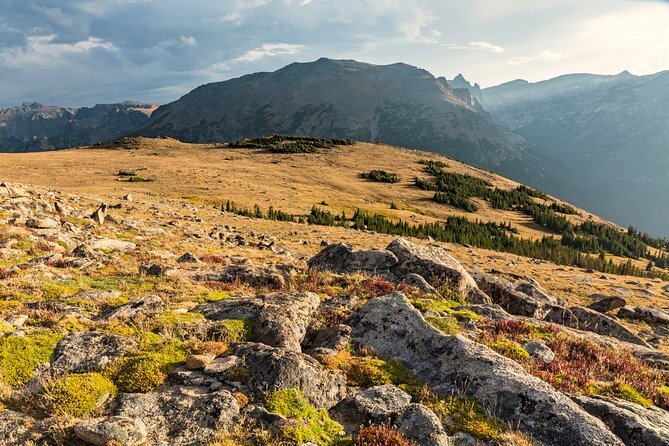
Stop 16: Lava Cliffs Overlook
This is one of those “only in this park” details: the cliffs are made of the only volcanic rock in the park, part of the Never Summer Mountain Range, and described as the park’s youngest volcanic rock. It’s quick, but the science angle makes the view feel earned.
Stop 17: Gore Range Overlook
You get views of the Gore Range, the Never Summer Mountains, and the flat-top of Longs Peak. Even if you don’t know mountain names, the tour’s cue helps your brain label what you’re seeing.
Stop 18: Alpine Visitor Center
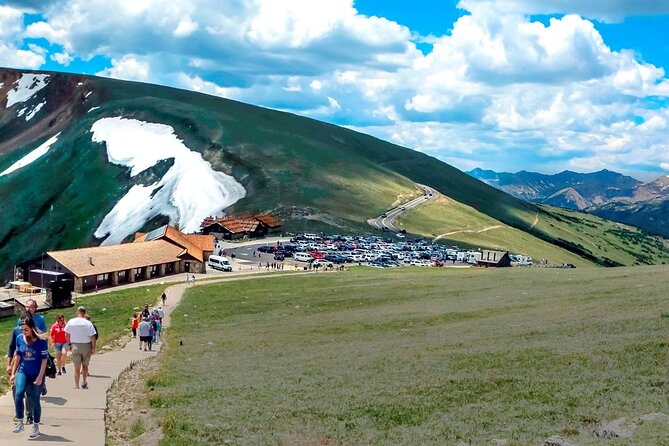
This is a big one. It’s described as the highest elevation visitor center in any national park, and it has a seasonal cafe. Importantly, it’s noted as the only place you can grab a bite to eat in the park, plus there are epic views from the nearby Alpine Ridge Trail.
Stop 19: Medicine Bow Curve
A viewpoint with a wider horizon. From here you can see Medicine Bow Mountains, La Poudre River, and even Wyoming on a clear day, with wildlife possible too. This is a good stop when you want sweeping views without committing to a hike.
Stop 20: Milner Pass
You’re standing on the Continental Divide, and the tour connects that location to the Ute Trailhead plus views of Poudre Lake. It’s one of those moments where the tour stops being “scenic” and starts being “meaningful.”
More Denver days made easy with a guide
Lake Irene loop, Sheep Rock spotting, and curve overlooks at altitude
Stop 21: Lake Irene Picnic Area
This spot is set up for an easy stretch. There’s a half-mile loop around Lake Irene, and across the street you’ll find Sheep Rock, a place where bighorn sheep sunbathe. It’s an ideal combo: short walk plus wildlife watching.
Stop 22: Farview Curve Overlook
This one is at 10,000 feet elevation, and the view includes Kawuneeche Valley, the Colorado River, the Never Summer Range, and Jackstraw Mountain. If your group likes “highest point energy,” this is a strong mid-to-late day stop.
Stop 23: Colorado River Trailhead
Trailheads here come with options, from easy to strenuous, and the tour recommends the Colorado River trail. The time window is about 30 minutes, which suggests you can pick a manageable segment instead of forcing a full outing.
Stop 24: Beaver Creek Picnic Area
This is a picnic-and-people-watch kind of stop. During fall, it’s noted as common to see elk running through the area, and it includes tables, toilets, and fire grates.
Stop 25: Beaver Ponds Picnic Area
Another picnic stop with wildlife energy: it’s described as great for bird watching, with two ponds, tables, and toilets. If you want to slow down for a snack, this is a good choice.
Historic homesteading and river trails: Holzwarth to the Kawuneeche area
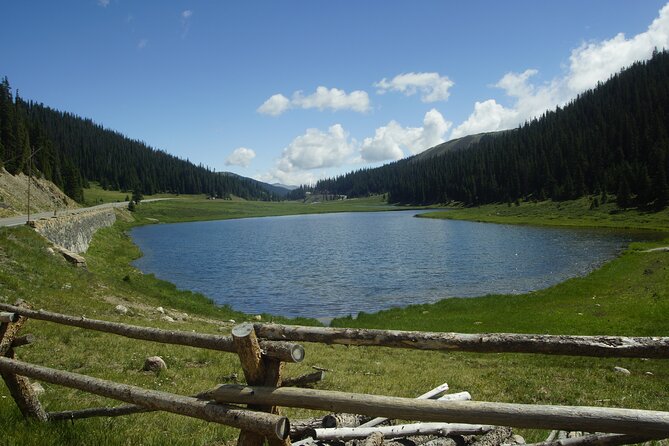
Stop 26: Holzwarth Historic Site
You get a break from views and a turn into human history. The area was originally homesteaded by early settlers, and today you can take a 1.5-mile stroll where some original structures still stand. It’s a reminder this park story includes people, not just glaciers.
Stop 27: Bowen Mountain
A roadside overlook with quick payoff: you can see Bowen Mountain and the Colorado River. It’s good for short legs and quick photo stops when the day is busy.
Stop 28: Bowen-Baker Trailhead
Even if you don’t hike, it’s described as a worthwhile place to spend time. You’ll find a gorgeous meadow, picnic tables, and bathrooms, plus trails of different levels to choose from.
Stop 29: Coyote Valley Trailhead
This one is built for easy access: a one-mile riverside trail that’s described as wheelchair accessible and stroller friendly. If your group includes kids, strollers, or someone who needs an easier route, this is a smart pivot away from strenuous hikes.
Stop 30: Bowen Gulch Trail
This trail is much bigger on paper—15 miles long—but the tour advice makes it practical: walk along part of it and turn back when you’re done. It frames the trail as a scenic river-walk experience rather than a must-finish challenge.
Stop 31: Harbison Meadows Picnic Site
A picnic spot with a backstory: originally homesteaded by two sisters, now a meadow with tables and wildlife interest. This is a good “rest your body” stop while still feeling connected to the outdoors.
Stop 32: Kawuneeche Visitor Center
This adds a useful souvenir twist: it includes a Rocky Mountain Conservancy Bookstore. If you found yourself wanting more detail after the drive—about geology, wildlife, or specific peaks—this is one place where the tour’s knowledge can turn into take-home reading. Souvenirs are noted in the $10–$20 range.
Grand Lake finish: where to eat and what to do after the drive
Stop 33: Grand Lake
You finish in a real town, and that matters after a long day in the park. The tour notes food ranging from simple to high-end, plus a museum and historical society, and of course Grand Lake itself. If you still have energy, use the final hour to connect your park day to the local story, not just to dinner.
Who this tour fits best (and who should reconsider)
This audio tour fits best if you want flexibility. You can choose the stops you care about—quick overlooks, short nature walks, visitor-center learning, or a longer hike or two—and you’re not locked into timed guide groups.
It’s also a smart fit for mixed groups: one person can do the Bear Lake-style quick walk while another wants a longer trail segment at Glacier Gorge or Bierstadt Lake. And because it’s offline and GPS-based, you’re not constantly checking your phone.
If your group hates apps, or you’re traveling with limited time and no patience for setup, keep the tech requirement in mind. The experience is rated based on a small number of users, including at least one person who found the whole process frustrating when it didn’t work smoothly. Testing the app on Wi‑Fi before you start driving is the simple way to avoid that kind of headache.
Should you book Rocky Mountain National Park’s audio drive?
I’d book this tour if you’re planning a day (or two) from Estes Park toward Grand Lake and you want an organized way to hit highlights: visitor centers for context, viewpoints for views, and trail options for walking at your pace. The strongest value is the low group price plus offline, hands-free GPS narration, which is exactly what you want in a big national park day.
I’d skip it if you know you won’t download and set up the app ahead of time. In that case, you’d be better off with a simple map plan and a printed trail guide you can use instantly.
If you do book, give yourself one calm hour to download, redeem, and confirm the audio starts correctly—then you can enjoy the drive without turning your day into a troubleshooting session.
FAQ
How much does the Rocky Mountain National Park self-guided audio tour cost?
It costs $12.79 per group (up to 15 people).
How long is the tour?
The duration is approximately 10 hours.
Does the tour work offline?
Yes. The audio tour and offline map work offline, and no Wi‑Fi or data is needed during the experience.
Where does the tour start and end?
It starts in Estes Park, CO 80517, USA and ends in Grand Lake, CO, USA.
Are entrance fees and parking included?
No. The tour fee does not include parking fees or entrance fees.
What language is the narration available in?
The tour is offered in English.
Can I choose which stops to visit?
Yes. The tour is designed to let you pick the stops you want and skip the ones you don’t, at your own pace.
Is it private for my group?
Yes. It’s a private tour/activity, and only your group participates.
More Tours in Estes Park
- The Rocky Mountain National Park Safari Tour★ 5.0 · 366 reviews
- Retractable Glass Top Tour in Rocky Mountain National Park★ 5.0 · 357 reviews
- Top of the World Tour (Wildside 4×4 Tours)★ 5.0 · 286 reviews
- Estes Park: Rocky Mountain National Park Glass-Top Bus Tour★ 5.0 · 266 reviews
- Estes Park: Rocky Mountain National Park Safari Tour★ 4.8 · 264 reviews
More Tour Reviews in Estes Park
- The Rocky Mountain National Park Safari Tour★ 5.0 · 366 reviews
- Retractable Glass Top Tour in Rocky Mountain National Park★ 5.0 · 357 reviews
- Top of the World Tour (Wildside 4×4 Tours)★ 5.0 · 286 reviews
- Estes Park: Rocky Mountain National Park Glass-Top Bus Tour★ 5.0 · 266 reviews
- Estes Park: Rocky Mountain National Park Safari Tour★ 4.8 · 264 reviews
More Ways Into the Park
- The Rocky Mountain National Park Safari Tour★ 5.0 · 366 reviews
- Retractable Glass Top Tour in Rocky Mountain National Park★ 5.0 · 357 reviews
- Estes Park: Rocky Mountain National Park Glass-Top Bus Tour★ 5.0 · 266 reviews
- Estes Park: Rocky Mountain National Park Safari Tour★ 4.8 · 264 reviews
- Private and Personalized Three Hour Morning Tour of Rocky Mountain National Park★ 5.0 · 157 reviews
Just Added: Fresh Denver Reviews
- Rocky Mountain National Park Self-Guided Audio Tour
★ 3.5 · 3 reviews - Rutting Around Elk Viewing Tour
★ 5.0 · 3 reviews - 4 passenger UTV ride on mountain trail in Estes Park
★ 5.0 · 3 reviews - Half-Day RMNP Mountains to Sky Tour-RMNPhotographer
★ 5.0 · 3 reviews - Create Your Own Winter Snow Globe in Estes Park
★ 5.0 · 4 reviews - A Rutin’ Good Time; Elk Tour in Rocky Mountain National Park
★ 4.0 · 4 reviews
Rocky Mountain National Park Tours, compared.
 ★ 5.0Discover Rocky Mountain National ParkFrom $1993,419 reviews
 ★ 5.0Rocky Mountain National Park in Summer Tour from DenverFrom $169696 reviews
 ★ 5.0Rocky Mountain National Park and Estes Park Tour from Denver Winter and SpringFrom $149511 reviews
 ★ 5.0The Rocky Mountain National Park Safari TourFrom $119366 reviews
 ★ 5.0Retractable Glass Top Tour in Rocky Mountain National ParkFrom $107357 reviews
 ★ 5.0Estes Park: Rocky Mountain National Park Glass-Top Bus TourFrom $156266 reviews
 ★ 4.8Estes Park: Rocky Mountain National Park Safari TourFrom $130264 reviews
 ★ 4.8From Denver: Rocky Mountain National Park Day Trip and LunchFrom $190264 reviews
Browse the lists this tour appears in