
Reviewed · DENVER E-BIKE & CYCLING TOURS
Guided Mountain-Biking Tour of Colorado’s Front Range
That first click of the helmet strap matters. This guided ride gets you onto Front Range singletrack fast, with help that fits your skill level. I especially like the beginner vs. intermediate option and the small-group feel that keeps the guide close. One thing to keep in mind: this is real mountain biking, and the added effort at elevation means you should be ready for some climbing and working pedals.
You’ll start in the Conifer area and head toward the Rocky Mountain foothills. Trails can run through open alpine meadows and dense pine forests, and you may even link up with part of the famous Colorado Trail (a 486-mile route) depending on conditions and ability. If you’re looking for an easy spin with zero strain, this may not be the right match.
In This Review
- Key highlights worth planning for
- Entering Conifer: What the start feels like
- Beginner vs. intermediate: how they keep you in your comfort zone
- What you actually ride: meadows, pine, and a possible Colorado Trail taste
- The ride rhythm: breaks, refuel, and why it matters
- Your half-day plan in plain English
- Small group size: the underrated value boost
- Bike and helmet included: don’t overthink it
- Price and value: $129.59 for a guided Front Range hit
- Weather and trail changes: plan for a pivot
- Who should book, and who should pass
- Should you book? My practical take
- FAQ
- How long is the mountain-biking tour?
- What does the tour cost?
- Where do I meet the tour?
- Is beginner riding available?
- What’s included with the price?
- What’s not included?
- How big is the group?
- What if weather is bad or plans change?
Key highlights worth planning for
- Pick your level: beginner or intermediate sessions mean the guide can tailor the pace and technical bits
- Small group: up to 12 riders keeps instruction more personal
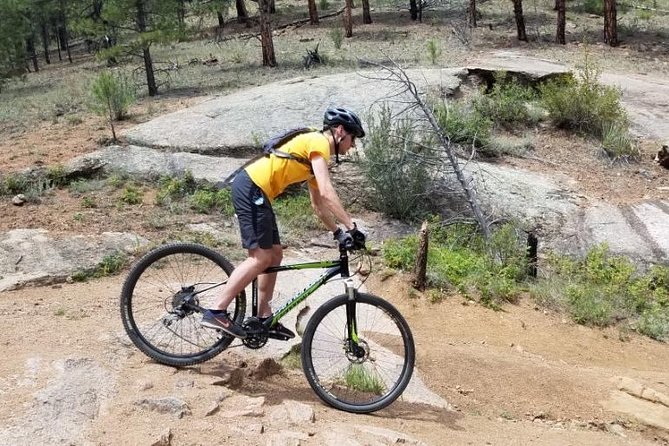
- Trail variety: meadows, pine forests, and fast-flowing sections show up on the route options
- Colorado Trail may appear: you might ride a stretch of the 486-mile Colorado Trail
- Included refuel: energy bar and sports drink help keep you going mid-ride
Entering Conifer: What the start feels like
This tour is based out of the Conifer area (meet at 26267 Conifer Rd, Conifer, CO 80433), not deep downtown Denver. That’s a plus if you want to get to real trail scenery quickly. It also means you’ll likely feel that quick transition: you’re not just touring bikes around a parking lot—you’re heading west toward the foothills where the riding changes from road-like to dirt-and-grit almost immediately.
Before you roll, you’ll get fitted for a mountain bike and helmet. This matters more than you might think. A good fit helps you control the bike on uneven ground, and it makes learning lines (turns, roots, and small obstacles) feel way less scary. The guide then helps set expectations for the ride style—more “get skills + stay safe” than “just race it.”
Timing-wise, the experience is listed as about 3 hours, and the ride description also talks about a half-day. In practice, think “a solid block outdoors,” not a quick intro you’ll forget after. Arrive with time to settle in, especially if you’re new to riding at elevation.
Two wheels, a few more routes
Beginner vs. intermediate: how they keep you in your comfort zone
One of the smartest parts here is that you choose a beginner or intermediate session. That choice isn’t just marketing. It changes what the guide pushes you to try—how much climbing you’ll do, and how technical the riding becomes.
In the beginner lane, you can expect instruction that focuses on control: turning technique, handling obstacles, and learning how to move confidently when the terrain isn’t smooth. A few guides tied to this experience have been described as patient teachers who help you show what you can do before they nudge you toward harder sections.
In the intermediate lane, the ride tends to include more challenging trail features—still guided, but with less “training wheels” energy. You might get faster-flow sections and more uphill work, plus spots where you have to stay focused and active on the bike.
Either way, the guide’s job is to match your ability during the ride. One rider example notes that an easier line came first, then a harder one appeared after the group demonstrated control. That kind of progression is how you leave feeling proud instead of wrecked.
What you actually ride: meadows, pine, and a possible Colorado Trail taste
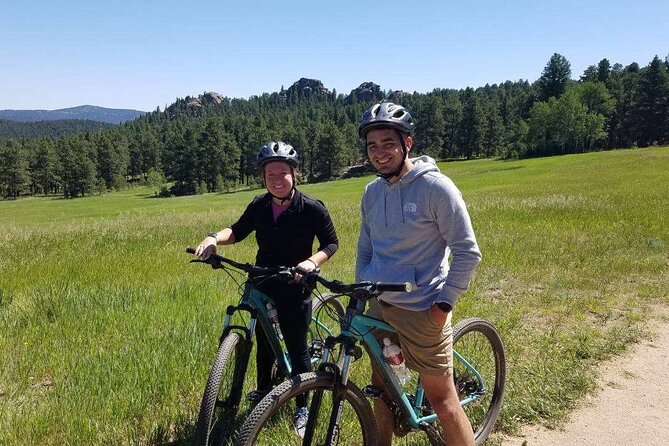
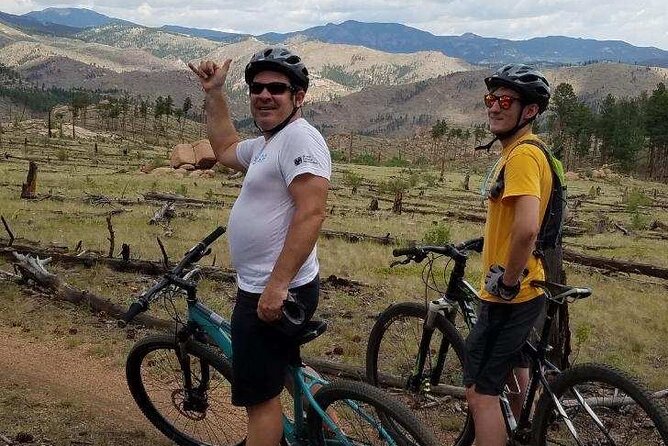
The Front Range is the star. You’ll pedal through an area that stretches along the Rocky Mountains’ foothills, where the scenery changes often even on a short ride. The route options you might experience include open alpine meadows and dense pine forests, which means your trail surface and your sense of space shift as you go.
Here’s the practical part: those two environments feel different under the tires. Meadows can be more exposed and sunny; forests can be shaded with more “trail feel” from roots, packed dirt, and tighter lines. Either way, you’re getting a mix of scenery and ride texture rather than repeating the same basic segment over and over.
And yes, there’s a chance you’ll ride part of the Colorado Trail. The key word is might. The trail system is huge (that Colorado Trail route runs 486 miles / 782 km), and what you ride depends on your level and the conditions. Even a partial connection to something that famous feels like a legit “I was there” moment.
The ride rhythm: breaks, refuel, and why it matters
Mountain biking isn’t only legs. It’s also focus. This tour includes an energy bar and sports drink, which is a welcome support during an effort-heavy 3-hour window. It helps you avoid the classic problem: you feel fine early, then your energy dips right when the climb gets steeper or the trail gets more technical.
You can also expect the guide to build in breaks. The most useful breaks are the ones that let you reset before you hit the next tricky section. In past ride experiences tied to this program, guides have been described as frequently pausing for water/rest and adjusting on the fly for the group’s needs—especially when elevation is a factor.
If you’re coming from lower elevation, plan to take it slightly easier at the start. Even if you’re fit, the air can still make your legs feel like they’re doing extra work. A guided pace with built-in refuel beats the “race to feel accomplished” approach every time.
Your half-day plan in plain English
Here’s the flow you can expect, without mystery or confusing jargon:
Meet at Denver Adventures – Zipline Tours in Conifer, then get set up with your bike and helmet. You’ll get guidance on what to expect and which trail style fits your session.
Then you ride west toward the trail network selected for your ability. Your route may include a piece of the Colorado Trail or other Front Range trails depending on what makes sense for your group. The focus is on getting you moving through scenic terrain—up, down, and around—while learning how to handle the bike on real trail ground.
Along the ride, you’ll stop to refuel with the included energy bar and sports drink. The guide also controls pacing, so you don’t spend the entire time either waiting or overcooking yourself.
You finish back at the starting area, with the whole experience designed to feel like a complete outing: start-up skills, trail time, refuel, then a confident return.
One more practical note: it’s offered in English, with a mobile ticket. That’s handy for simple check-in, and it reduces the “where’s my paper ticket” stress.
Small group size: the underrated value boost
With a maximum of 12 travelers, this tour avoids the “big group herd” problem. On mountain bike days, that difference shows up fast. You’re more likely to get direct instruction when you need it, and the guide can spot issues—body position, line choice, or braking habits—without the ride turning into a long string of single-file discomfort.
Smaller groups also make it easier for the guide to adjust the ride. For example, if conditions change (snow patches, icy sections, or muddy trail edges), the guide can pivot the plan so the experience stays safe and enjoyable.
Also, you don’t have to pretend you know what you’re doing. Beginner riders benefit from frequent coaching. Intermediate riders benefit because the guide can help refine technique rather than just letting everyone “figure it out” at speed.
More Denver days made easy with a guide

Bike and helmet included: don’t overthink it
You don’t have to bring your own bike or helmet. Mountain bike, helmet, and an experienced mountain-biking guide are included, along with local taxes. For a first-time rider, that’s a genuine time-saver. It’s also a safety factor: the bike setup is part of the fit process, and you’ll be riding something that’s intended for trail work.
If you do own your own mountain bike, you might wonder why not use it. The honest answer is: you’ll still want to be fitted and adjusted. Here, the guide handles the basics so you can focus on riding.
One thing to consider: your body will still do the work. The provided equipment helps, but you’ll need moderate physical fitness, and the tour info also notes that above average physical condition is required. Translation: come ready to pedal, climb, and stay alert on trail terrain.
Price and value: $129.59 for a guided Front Range hit
At $129.59 per person, this isn’t a cheap “try it once” activity. But for what you get, it can feel like good value.
You’re paying for:
- a guide who chooses trails based on your skill level
- bike + helmet included
- small-group attention (up to 12)
- meaningful riding time (about 3 hours) in real terrain
- included energy bar and sports drink
In other words, you’re buying coaching and logistics that would be annoying to DIY—figuring out which trails match your level, getting to the right trailhead, and dealing with the learning curve safely. If you’re new to mountain biking in Colorado, that safety-and-sanity factor counts.
If you already ride confidently and you’re local with spare time, you may find cheaper options. But if you want a guided experience that gets you onto the right mix of trails quickly, this price can be reasonable.
Weather and trail changes: plan for a pivot
Colorado mountain biking lives and dies by weather. This experience requires good weather, and if it gets canceled due to poor conditions, you’ll be offered an alternate date or a full refund.
But even on days when you start with the plan to bike, trail conditions can shift. One example of how things can change: when snow and ice made biking unsafe, a group had a Plan B hike instead. That’s a big lesson for you: pack for the possibility that you might walk parts of the route too. Wear shoes that work on uneven ground, not just sandals and good intentions.
And do yourself a favor: contact the supplier 24 hours before departure to verify conditions and expectations. If you don’t reconfirm, your tour could be canceled without a refund. It’s worth the quick call or message to protect your day.
Who should book, and who should pass
This is a strong choice if:
- you want guided instruction rather than guessing your way through trails
- you’re a beginner who wants the confidence to handle turns and obstacles
- you’re intermediate and want a guided route with a mix of riding styles
- you like the idea of getting out into the Front Range foothills quickly from the Denver area
It may not be ideal if:
- you want an easy ride with minimal effort
- you dislike the idea of route adjustments if conditions are icy or snowy
- you’re not comfortable biking at elevation where exertion feels different
If you’re traveling in a small group or couple, the guide attention can make the experience feel more personal than a larger commercial ride.
Should you book? My practical take
I’d book this tour if you’re looking for a guided way to experience Colorado’s Front Range trails without wasting hours figuring out where to ride. The level-matched sessions, included equipment, and small-group size are the core reasons it earns strong satisfaction.
I’d hesitate if you’re dealing with tight ankles/knees, you’re coming in expecting a casual spin, or you’re traveling on dates when weather is unlikely to cooperate. Mountain biking is seasonal in Colorado, and they do require good conditions.
If you can be flexible with a weather day and you’ll show up ready to pedal, this is the kind of outing that leaves you smiling—not just tired, but proud of what you learned.
FAQ
How long is the mountain-biking tour?
It’s listed at about 3 hours (approximately). The ride description also talks about a half-day format, so plan for a few hours outdoors.
What does the tour cost?
The price is $129.59 per person.
Where do I meet the tour?
You’ll meet at 26267 Conifer Rd, Conifer, CO 80433, USA. The tour ends back at the same meeting point.
Is beginner riding available?
Yes. You can choose either a beginner or intermediate session based on your skill level.
What’s included with the price?
The tour includes a mountain bike, an experienced guide, a helmet, and an energy bar and sports drink. Local taxes are also included.
What’s not included?
Food and drinks are not included unless otherwise noted. Transport from Denver isn’t included, but it can be added for an extra fee.
How big is the group?
The maximum group size is 12 travelers.
What if weather is bad or plans change?
This experience requires good weather. If it’s canceled due to poor weather, you’ll be offered another date or a full refund. You’re also advised to contact the supplier 24 hours before departure to verify tour conditions and expectations.
More Tours in Denver
- Small Group Tour of Pikes Peak and the Garden of the Gods from Denver★ 5.0 · 3,079 reviews
- Downtown Denver Food Tour★ 5.0 · 1,751 reviews
- Twilight Ghost Tour★ 5.0 · 1,437 reviews
- The EDGE: Zip Line Tour★ 5.0 · 1,153 reviews
- 2 Hour LoDo Historic Walking Tour in Denver★ 5.0 · 1,106 reviews
More Tour Reviews in Denver
- Discover Rocky Mountain National Park★ 5.0 · 3,419 reviews
- Small Group Tour of Pikes Peak and the Garden of the Gods from Denver★ 5.0 · 3,079 reviews
- Rocky Mountain Escape★ 5.0 · 1,977 reviews
- Downtown Denver Food Tour★ 5.0 · 1,751 reviews
- Red Rocks & Beyond★ 5.0 · 1,583 reviews
Denver on Two Wheels
- Bike & Brew: Beautiful Denver Downtown Tour by E-Bike or Bicycle★ 5.0 · 282 reviews
- The Best of Denver: E-Bike & Bicycle Tour of the Downtown Sites★ 5.0 · 176 reviews
- Denver’s Highlights and Hidden Gems Guided E-Bike Tour★ 5.0 · 102 reviews
- Explore Denver by E-bike Guided Tour★ 5.0 · 57 reviews
- Denver’s Best Guided eBike Tour | E-Bike All of Mile High City★ 5.0 · 39 reviews
Just Added: Fresh Denver Reviews
- Winter fun-Private transportation to Ski, snowmobiling, and dog sledding areas.
★ 5.0 · 3 reviews - Vintner’s Personalized Wine Tasting Experience
★ 4.5 · 3 reviews - Private Jeep Tour to Red Rocks, Dinosaur Ridge, Lookout Mountain
★ 4.5 · 3 reviews - Denver Int’l Airport (DEN) to Aspen Luxury Private SUV
★ 3.5 · 3 reviews - Private Car Service from Denver Int’l Airport (DEN) to Aspen or Snowmass
★ 5.0 · 3 reviews - Breckenridge & Continental Divide – Private Tour
★ 5.0 · 3 reviews
Denver E-Bike & Cycling Tours, compared.
 ★ 5.0Bike & Brew: Beautiful Denver Downtown Tour by E-Bike or BicycleFrom $98282 reviews
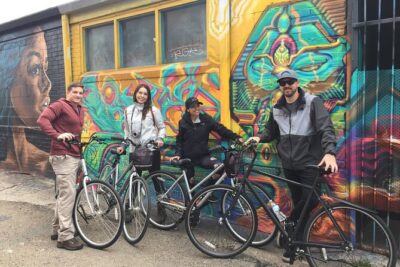 ★ 5.0The Best of Denver: E-Bike & Bicycle Tour of the Downtown SitesFrom $93176 reviews
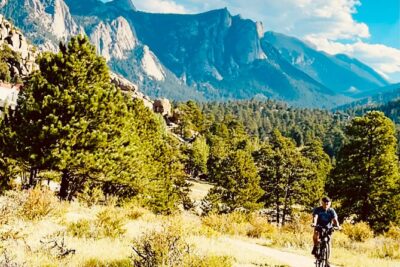 ★ 5.0Estes Park Guided E-Bike TourFrom $110125 reviews
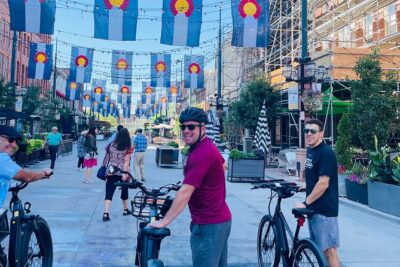 ★ 5.0Denver’s Highlights and Hidden Gems Guided E-Bike TourFrom $105102 reviews
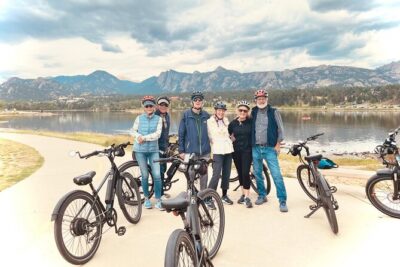 ★ 5.0Estes Park Guided EBike Tour Explore a Mountain Town by EbikeFrom $11088 reviews
 ★ 5.0Explore Denver by E-bike Guided TourFrom $7557 reviews
 ★ 5.0Denver’s Best Guided eBike Tour | E-Bike All of Mile High CityFrom $10539 reviews
 ★ 4.5Denver’s Best Guided E-Bike TourFrom $10538 reviews
Browse the lists this tour appears in