
Reviewed · BEST OF DENVER CITY TOURS
The Best of Denver: E-Bike & Bicycle Tour of the Downtown Sites
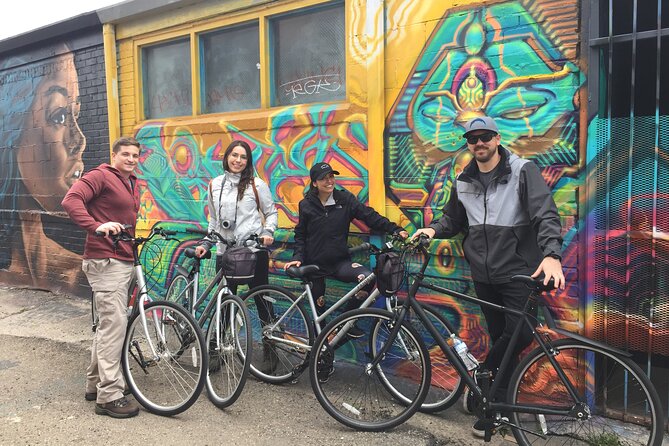
Downtown Denver feels bigger on two wheels. This 2.5-hour e-bike or bicycle tour is an easy way to see the city’s top sights with an experienced guide, plus real Colorado scenery along the way. I like the small group size (max 9) and the fact you’ll be rolling on flat, bike-friendly routes instead of doing everything on foot.
Two things I also really appreciate: you get the fun of actual rides between landmarks (think stadium-area views and trails like Cherry Creek) and you’ll come away with names and context for places to revisit later. The one drawback to consider is that e-bike riding is different from regular biking—before you set off, ask for a quick check on mounting and how the bike feels at low speed, just so you don’t start off guessing.
In This Review
- Key things to know before you pedal Denver
- How this downtown Denver bike tour works in real life
- The ride itself: distance, pace, and what you’ll actually feel
- Mile High Bike Tours: your start point and why the meeting matters
- Big Denver sights you’ll pass: stadium energy without the guesswork
- Cherry Creek Trail: the outdoor payoff that feels like a shortcut
- Learning Denver without turning it into a classroom
- The route style: bike lanes, riverside paths, and small-street turns
- Value and price: what $93 buys you (and what it doesn’t)
- Safety, sound, and the one-off annoyances to plan for
- Best time to book and who this tour fits
- Should you book this Denver bike tour?
Key things to know before you pedal Denver
- Small group feel: usually 8–10 people, with a max of 9
- Mostly flat, easy effort: about 9 miles on city streets, bike lanes, and paths
- Includes the essentials: helmet and bottled water, plus the bike itself
- Big Denver highlights in one loop: Coors Field and Mile High stadium are part of the route
- Local trail time: Cherry Creek Trail often becomes a standout moment
- Guide-led history with practical tips: the route comes with stories and where to go next
How this downtown Denver bike tour works in real life
This is the kind of tour that helps you stop guessing. You meet at Mile High Bike Tours at 2301 Champa St, grab your helmet, get on your bike (3-speed cruiser or an e-bike option), and then spend about 2 hours 30 minutes crisscrossing downtown Denver. The point isn’t to race across the city. It’s to stitch together a clear map of where things are and what’s worth your time later.
The terrain is described as relatively flat, and the route design is built for easy rolling. You’ll use bike lanes, riverside paths, and neighborhood streets, which matters a lot if you’re not from the area and don’t want to spend your vacation time studying traffic patterns.
Group size is also a quiet win. With no more than 9 people, you’re less likely to feel like you’re being swept along with a crowd. You can actually hear what your guide is saying—when the group stays together.
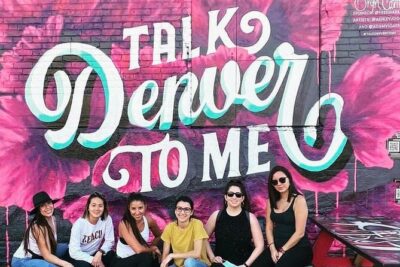
Two wheels, a few more routes

The ride itself: distance, pace, and what you’ll actually feel
You’ll cover about 9 miles total, which sounds big until you remember it’s a guided loop with frequent sight stops and the help of e-bike assist if you’re on that option. For most people, this is a “comfortable workout” rather than a hardcore training ride.
Here’s the practical part: your comfort depends on two things—
- whether you’re on a standard cruiser or an e-bike
- how confidently you can ride in a close group
Many of the people who love this tour say they didn’t need to be in great shape. One parent-style tip I’d borrow from that: if you’re new to biking, plan on treating it like a skill-building session first, sightseeing second.
If you’re on an e-bike, take the first minutes seriously. One guest reported not getting enough e-bike instruction and ended up having trouble stepping on and handling the bike’s weight distribution. The operator’s response clarifies that the battery sits in the center, which can make the bike feel weighted if it tips to one side. So before you roll, ask your guide to show:
- how the bike feels when you mount
- how to start smoothly without leaning or hopping on the pedals
That simple request can turn a “maybe this is awkward” ride into an effortless one.
Mile High Bike Tours: your start point and why the meeting matters
The tour begins at 2301 Champa St, right at Mile High Bike Tours. Starting at a known shop location is more than convenience. It helps you avoid the common travel-tour problem where you spend 20 minutes hunting a meetup point and then arrive already stressed.
This start also fits the tour’s overall vibe: you’re geared up quickly (bike, helmet, water), then you’re out riding. There’s no long preamble, which is great when you’re on a schedule—like catching a Rockies game later the same day.
One more thing I’d call out: the meeting point is near public transportation. If your lodging isn’t downtown, that’s a relief. You don’t have to coordinate parking just to do a 2.5-hour loop.
Big Denver sights you’ll pass: stadium energy without the guesswork
A standout feature of this tour is how much recognizable Denver you get in a short span. The route is designed to hit the city’s best-known landmarks, including Coors Field and the Mile High stadium area. You don’t just see them from far away, either—you get the sense of how the surrounding neighborhoods connect to the rest of downtown.
That matters because Denver has a different feel block-to-block. Stadium zones can look like one world, then a couple turns later you’re near riverside or into quieter streets. Seeing how those zones link up is a big reason these tours work as an orientation tool.
And you’ll also get history-style context you can use later. People mention guides like Tim, Chris, John, Jordan, Skye, and Jordyn for being helpful with stories and making sure you understand what you’re looking at. Even if you’re not a history buff, those short explanations tend to make your self-guided stops more meaningful.
Cherry Creek Trail: the outdoor payoff that feels like a shortcut
Denver’s outdoor reputation is real, and one of the most satisfying moments on this tour often comes from the ride along Cherry Creek Trail. Why this is such a big deal: it’s a stretch where you feel the city’s outdoorsy side without needing to commit to a long day hike or bike adventure.
On this route, the trail segment acts like a palate cleanser. Instead of only seeing streets and buildings, you’re on a smoother, more scenic corridor. Several guests call Cherry Creek Trail a highlight because it’s the kind of place you’d probably miss if you were just walking around downtown.
Also, if you’re traveling with family or you’re trying to balance “fun” and “not exhausting,” trail riding gives you variety. You still get movement. You just get a different view style.
Learning Denver without turning it into a classroom
This tour doesn’t feel like a lecture. It’s a guided ride where you stop often enough to understand what’s in front of you, but not so much that you waste time. That balance is why so many people rate it extremely highly.
The best guides seem to do two jobs at once:
1) keep the group moving safely and together
2) explain what you’re seeing in a way that helps you plan next steps
You can see that pattern in the feedback. Guides are praised for being patient with first-time e-bike riders, keeping pace lively but doable, and answering questions. Even when someone could not hear as well on their specific day, the overall experience was still seen as strong—meaning the guide content is usually there, as long as your spot in the group lets you catch it.
The whole of Denver in one sweep



The route style: bike lanes, riverside paths, and small-street turns
The logistics of the route are part of the value. You’re not just getting on a bike; you’re getting a map of safe-ish ways to move through downtown. The ride uses:
- bike lanes
- riverside paths
- neighborhood streets
- flat-ish segments designed for cruisers
This is the practical advantage for visitors: you learn where the bike infrastructure actually exists, not just where it’s supposed to exist. Then, later, you can decide whether to rent a bike yourself and take on a small piece of what you saw.
It also helps you understand Denver’s layout. Downtown can feel like a grid that keeps going forever—until you realize which corridors connect to trails. The route shows you that connection without you having to research it in advance.
Value and price: what $93 buys you (and what it doesn’t)
At $93 per person for about 2.5 hours, you’re paying for a guided experience that includes equipment and keeps your time tight. Here’s what that price covers:
- bicycle use
- helmet use
- bottled water
- a guided, small-group format
What it doesn’t include is food and drinks. That means you’ll want to plan a meal or snack before or after. The upside is flexibility—if you have a craving for bagels, burgers, or local beer, you can pick based on your own schedule.
Is it “worth it”? For me, the math comes down to this: you’re getting a guided orientation ride plus access to routes you’d likely struggle to piece together safely on your own. If you’re only in Denver for a short time, that can save you from spending your first day wandering the wrong areas.
Also, the small group cap helps. When a tour stays under control, the guide can actually manage the ride. That’s part of why the experience scores so high.
Safety, sound, and the one-off annoyances to plan for
Most of the feedback points to the ride being safe and well managed. Guides are praised for keeping the group together and leading in a way that works for different comfort levels.
Still, it’s fair to plan for two small risks:
- You might not hear your guide if you’re positioned in a less-ideal spot in the group.
- If you’re brand-new to e-bikes, you’ll want a quick personal check-in before you start.
There’s also a comment about a ride where the group got separated often, and another about red lights feeling slow due to stops. Those complaints weren’t the majority, but they’re a reminder that city riding is always influenced by traffic controls and how the guide handles the pack.
My suggestion is simple: if you prefer a nonstop vibe, this may not be your style. If you want a smart mix of movement and context, this tour generally fits the bill.
Best time to book and who this tour fits
This is a great first-day or early-trip option. It gives you highlights fast—then you can choose where to spend extra time. A couple of people specifically mention using the tour as a way to get their bearings on a first visit.
It’s also a strong family option because the pace is typically described as easy to manage, and the bikes (including e-bikes for those who want help) reduce the “bike stamina” barrier.
I’d especially recommend it if you:
- want stadium and downtown highlights without a car
- like outdoor Denver, but don’t want a full-day outdoor plan
- want a clear set of places to return to later
If you already know you want an ultra-long ride or you love technical cycling, you might find 9 miles plus frequent stops a bit short. But for orientation and a fun, guided afternoon or morning, it hits the sweet spot.
Should you book this Denver bike tour?
If you’re coming to Denver and want a high-value orientation ride that covers major downtown landmarks plus a real outdoor trail moment, I think you’ll be happy you booked. The small group size, the included helmet and water, and the fact that the route is built around bike lanes and flatter riding all point to a smooth experience.
Book it if you want:
- a guided overview you can build on
- a safe-feeling downtown bike route
- an easy way to see big sights like Coors Field and Mile High stadium
Skip it only if you strongly prefer rides with zero stops, or if you’re the type who needs very detailed e-bike practice beyond a quick orientation—then ask lots of questions at the start.
More Tour Reviews in Denver
- Discover Rocky Mountain National Park★ 5.0 · 3,419 reviews
- Small Group Tour of Pikes Peak and the Garden of the Gods from Denver★ 5.0 · 3,079 reviews
- Rocky Mountain Escape★ 5.0 · 1,977 reviews
- Downtown Denver Food Tour★ 5.0 · 1,751 reviews
- Red Rocks & Beyond★ 5.0 · 1,583 reviews
Denver End to End
- Footsteps Through Denver: Women, History & Hidden Gems★ 5.0 · 508 reviews
- Denver: City Highlights, Views, and Secret Spots Bus Tour★ 4.8 · 350 reviews
- Best of Denver Bus Tour: Highlights, Views & Local Favorites★ 5.0 · 280 reviews
- Best of Denver Walking Tour★ 5.0 · 175 reviews
- Denver City Highlights Tour★ 4.5 · 149 reviews
Denver on Two Wheels
- Bike & Brew: Beautiful Denver Downtown Tour by E-Bike or Bicycle★ 5.0 · 282 reviews
- Denver’s Highlights and Hidden Gems Guided E-Bike Tour★ 5.0 · 102 reviews
- Explore Denver by E-bike Guided Tour★ 5.0 · 57 reviews
- Denver’s Best Guided eBike Tour | E-Bike All of Mile High City★ 5.0 · 39 reviews
- Denver’s Best Guided E-Bike Tour★ 4.5 · 38 reviews
Just Added: Fresh Denver Reviews
- Winter fun-Private transportation to Ski, snowmobiling, and dog sledding areas.
★ 5.0 · 3 reviews - Vintner’s Personalized Wine Tasting Experience
★ 4.5 · 3 reviews - Private Jeep Tour to Red Rocks, Dinosaur Ridge, Lookout Mountain
★ 4.5 · 3 reviews - Denver Int’l Airport (DEN) to Aspen Luxury Private SUV
★ 3.5 · 3 reviews - Private Car Service from Denver Int’l Airport (DEN) to Aspen or Snowmass
★ 5.0 · 3 reviews - Breckenridge & Continental Divide – Private Tour
★ 5.0 · 3 reviews
Best of Denver City Tours, compared.
 ★ 5.0Footsteps Through Denver: Women, History & Hidden GemsFrom $33508 reviews
 ★ 4.8City Highlights, Views, and Secret Spots Bus TourFrom $40350 reviews
 ★ 5.0Best of Denver Bus Tour: Highlights, Views & Local FavoritesFrom $39280 reviews
 ★ 5.0Estes Park: Rocky Mountain National Park Glass-Top Bus TourFrom $156266 reviews
 ★ 5.0Best of Denver Walking TourFrom $27175 reviews
 ★ 4.5Denver City Highlights TourFrom $59149 reviews
 ★ 5.0Denver’s Highlights and Hidden Gems Guided E-Bike TourFrom $105102 reviews
 ★ 5.0Denver’s Best Guided eBike Tour | E-Bike All of Mile High CityFrom $10539 reviews
Browse the lists this tour appears in