
Reviewed · FOOD & DRINK
California Vs. Colorado Wine Tasting
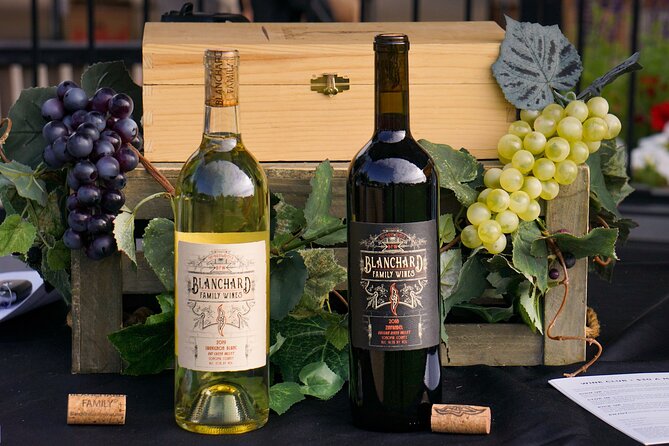
Four pours, two states, one great lesson. I like that you get a California vs. Colorado comparison in about an hour at Blanchard Family Wines in Denver’s Dairy Block, guided by a wine educator. I especially like the way the flight is customized to your interests and how you can ask questions about wine analysis and pairing while you taste.
Because this is built around a focused flight, it’s not a long, slow museum-style tasting. The format is limited to four wines (two from each state), so the pace can feel quick if you’re hoping for lots of extra pours or deeper comparison beyond the chosen set.
In This Review
- Key Highlights You’ll Actually Feel During the Tasting
- Why California vs. Colorado Makes Sense in Denver
- Your Four-Wine Flight at Blanchard Family Wines
- What Happens During the Hour (So You Know What to Plan For)
- Stop at the Dairy Block: Location and Vibe at 1855 Blake St
- The Role of the Wine Educator (And Why You Should Use Them)
- Price and Value: Is $30 a Smart Spend?
- Who This Works Best For (And Who Might Want Something Else)
- After Your Tasting: Make the Dairy Block Part of the Day
- Should You Book This California vs. Colorado Wine Tasting?
- FAQ
- Where does the tasting start?
- How long is the California vs. Colorado wine tasting?
- How many wines will I taste?
- Is the experience offered in English?
- Do I need a physical ticket?
- Can I cancel for a full refund?
Key Highlights You’ll Actually Feel During the Tasting
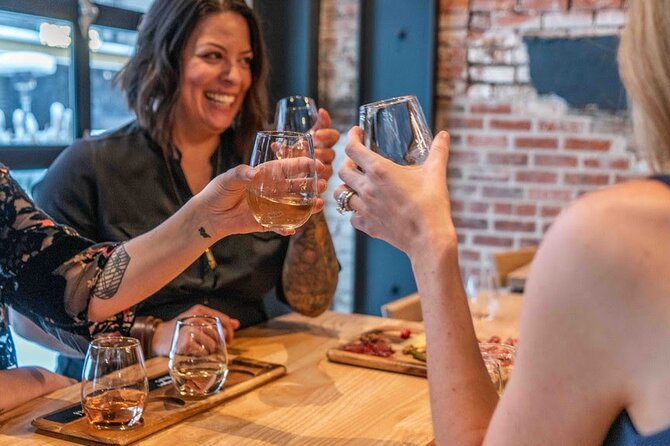
- A tight, head-to-head format: you taste two California wines and two Colorado wines, then compare them in the same session.
- Customized flight help: your wine educator helps select your tasting set based on what you want to learn or taste.
- On-the-spot pairing talk: you can ask pairing questions as you go, not after the tasting is over.
- Small group size: the experience caps at 16 people, which makes it easier to get real answers.
- Dairy Block location in the middle of the action: start at 1855 Blake St, right in Denver’s Dairy Block area.
- Good odds you’ll leave with a bottle: people often pick up wine at the end, and there are mentions of good deals.
Why California vs. Colorado Makes Sense in Denver
Denver can feel like it’s all about beer and breweries, but wine has its own storyline here, and this tasting gives you a simple way to catch up fast. The idea is straightforward: taste California and Colorado wines in the same hour, with a guide to help you notice what’s different and why it might be happening.
What I like about this setup is that you’re not just sampling random labels. You’re building a comparison. The educator helps steer what lands in your glass, then talks you through the wine analysis and pairing ideas as you taste. That matters because otherwise, the experience can turn into a blur of sips with no framework.
You’re also doing this at Blanchard Family Wines, which is a nice anchor for the lesson. Their story connects Sonoma Coast Wine Country in California with Colorado, so you can compare styles without feeling like you’re learning from a totally abstract set of producers. And the setting at Denver’s Dairy Block keeps it practical: you’re in a lively area with plenty to do before or after your tasting time slot.
Other Denver plates and pours
Your Four-Wine Flight at Blanchard Family Wines
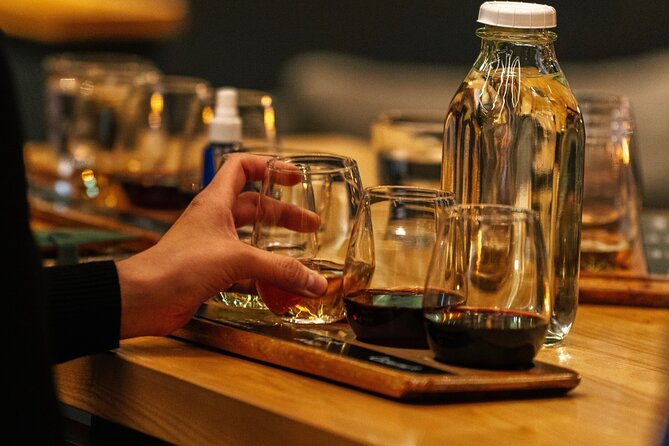
This experience is built around one tasting flight: two California wines and two Colorado wines. In real terms, that usually means you’ll get four distinct glasses and a guided conversation for each one, rather than a long lineup of small sips.
That four-wine structure is part of the value. It gives you enough variety to notice patterns, but it stays tight enough to fit into an hour. If you’re the type of person who gets impatient when tastings stretch into a marathon, you’ll probably appreciate the focus.
The other key detail is that the tasting isn’t one-size-fits-all. Your wine educator assists you with choosing the flight, and the selection is customized to your preferences. That’s helpful because people often want different things: some want something crisp and food-friendly, some want bolder flavors, and some just want to understand what they’re smelling and tasting.
When you’re comparing states, you’ll also want a guide to help you connect impressions to language. The experience is designed around wine analysis and pairing options, so you’re not left guessing what the difference is supposed to be. You get to ask questions and get answers in real time, which is where this kind of tasting becomes more than just a fun activity.
What Happens During the Hour (So You Know What to Plan For)
You should plan for about 1 hour total. Since the tasting is customized and guided, it won’t feel like a self-guided walk-up, even if you’re moving at your own pace between pours.
Here’s what the flow is likely to feel like:
- You arrive at the tasting location and get oriented.
- The educator helps select your flight of four wines (two from each state).
- You taste and compare the wines, with questions encouraged.
- You talk through wine analysis and pairing ideas for what you’re tasting.
- When you’re done, you’re free to keep exploring the Dairy Block area, and some people choose to buy bottles on-site.
That last part is worth mentioning. One of the standout notes from the experience is that people have purchased wine at the end, and there are mentions of good deals on wine. If you like the idea of leaving with something you can actually enjoy later, this format makes it easy. You taste first, you decide with guidance, then you can take a bottle home without the guesswork.
Stop at the Dairy Block: Location and Vibe at 1855 Blake St
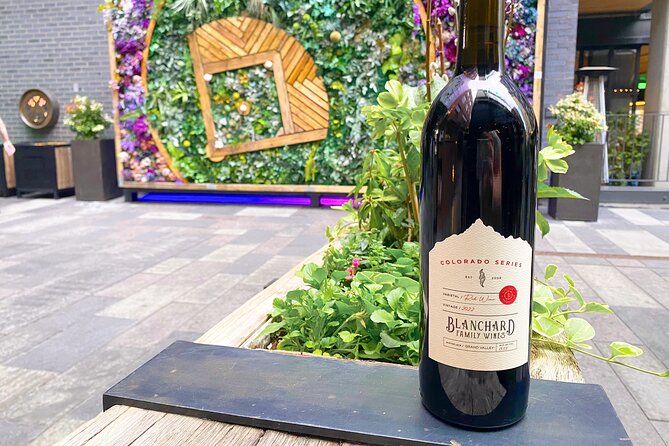
Your start point is 1855 Blake St, Denver, CO 80202, at the Dairy Block area. That matters because you’re not trekking across town in the middle of the day. You’re centered in a neighborhood designed for foot traffic, so it’s easy to pair the tasting with other nearby plans.
The experience is also described as near public transportation, which is a big practical win in Denver. You won’t have to build your whole day around driving and parking.
Inside the tasting, the atmosphere is a real part of the point. People have called the setting lovely and even spectacular, which isn’t something you always see in wine reviews. When the room feels good, you tend to slow down enough to pay attention to the aromas and the comparisons the educator is making.
One more practical detail: the session runs during set hours—Monday through Thursday from 1:00 PM to 8:00 PM. So if you’re building an afternoon or early evening plan, you can usually slot this in without rearranging your entire day.
The Role of the Wine Educator (And Why You Should Use Them)
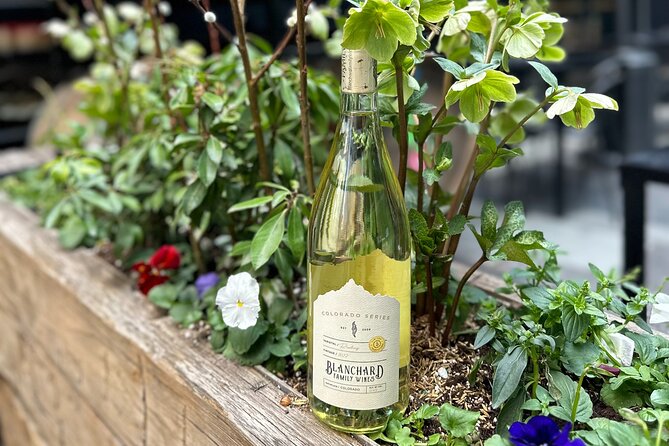
This is not a silent taste-and-leave situation. The wine educator is there to help you with three main things: choosing your flight, discussing what you taste, and talking through pairing options.
For your time, that’s the key difference between a tasting experience that feels educational and one that feels like a quick snack. You can ask questions as you go, and you’ll get guidance on wine analysis and pairing ideas for all four wines in your flight.
Here’s how to get the most out of that:
- Ask one or two comparison questions early, like what to focus on when switching between California and Colorado bottles.
- If you’re food-minded, ask about pairing for the style you like best, not just the one that tastes strongest.
- If you’re newer to wine, ask the educator to translate what you’re smelling into plain language.
Because the group cap is 16 people, you’re more likely to get real attention rather than feeling like you’re talking to a wall of noise. That small-group ceiling is one reason this experience rates well.
And if you’re shopping at the end, you’ll be in a better position to pick a bottle because you’ve already got a framework for what you liked and why.
Price and Value: Is $30 a Smart Spend?
At $30 per person, this tasting sits in a range that can be a bargain or a splurge depending on what you expect. The good news is that the experience is structured around four wines and guided conversation. That means you’re paying for more than just the liquid—it’s paying for the explanation, the comparison, and the pairing discussion.
Value usually comes from two places here:
- You get a guided comparison of two states rather than four unrelated pours.
- You get customization, so the flight is more likely to match what you want to learn or taste.
If you’re the type who enjoys wine but struggles to figure out what you’re experiencing in a glass, the educator guidance is where your money goes to work. If you already know exactly what you like and you’re only looking for cheap alcohol, you may not feel the same value.
One more value note: people have mentioned good deals on wine and also buying a bottle at the end. That can turn the tasting into a two-step deal: first you learn with four guided tastings, then you buy with fewer regrets.
More Colorado labels to taste
Who This Works Best For (And Who Might Want Something Else)
This tasting is a great fit if you want an easy entry into wine comparison without committing to a full-day tour. The hour length makes it ideal for a Denver day plan that’s already busy with museums, neighborhoods, or food stops.
It’s also a strong match if you like:
- asking questions
- learning by doing
- comparing styles instead of just sampling
Where it might not be your best choice is if you’re expecting a long lineup, lots of extra pours, or a deep dive into dozens of producers. This experience is intentionally focused on four wines, and it stays around an hour.
Also, it’s offered in English, so if you’re not comfortable with English-led discussion, that’s something to consider.
After Your Tasting: Make the Dairy Block Part of the Day
Because the tasting ends back at the meeting point, you can treat this as a clean anchor in your schedule. You start at 1855 Blake St, spend about an hour, then head out.
In practical terms, that means it’s easy to build a simple plan around it:
- Stop for the tasting first, then use the area for a casual meal or a walk.
- Or if you’re doing other Denver activities, place the tasting earlier so you’re not stuck making last-minute decisions.
People also noted that there’s plenty to see and do in the surrounding area, which makes this feel less like a standalone ticket and more like part of a neighborhood outing.
Should You Book This California vs. Colorado Wine Tasting?
Book it if you want a focused, guided comparison of California and Colorado wines in Denver, with customization and real Q&A. The small group size and the educator-led four-wine flight are the two ingredients that make this feel worth it for many wine-curious visitors.
I’d also book it if you enjoy learning with structure. This tasting gives you a framework: four wines, two states, and pairing + analysis you can immediately connect to what you’re tasting.
Skip it only if you’re looking for a longer tasting with many extra wines or if you prefer totally self-guided experiences.
FAQ
Where does the tasting start?
The experience starts at 1855 Blake St, Denver, CO 80202, USA, in the Dairy Block area.
How long is the California vs. Colorado wine tasting?
It’s listed as approximately 1 hour.
How many wines will I taste?
You’ll taste a flight of four wines: two California wines and two Colorado wines.
Is the experience offered in English?
Yes. The experience is offered in English.
Do I need a physical ticket?
No. You’ll receive a mobile ticket.
Can I cancel for a full refund?
Yes. You can cancel up to 24 hours in advance for a full refund. If you cancel less than 24 hours before the start time, the amount paid is not refunded.
More Colorado Wine to Taste
- Wine Tasting with Cheese, Charcuterie, and Dessert Experience★ 4.0 · 17 reviews
- Denver Wine Walking Tour★ 5.0 · 8 reviews
- Vintner’s Personalized Wine Tasting Experience★ 4.5 · 3 reviews
Eat Your Way Round Denver
- Downtown Denver Food Tour★ 5.0 · 1,751 reviews
- Denver Craft Beer Tour in Lower Downtown★ 5.0 · 673 reviews
- Denver RiNo Arts District Food Tour★ 5.0 · 330 reviews
- Denver’s Beer and Graffiti Walking Tour★ 5.0 · 138 reviews
- Denver Food Tour with 7 Tastings in Historic Lower Downtown★ 5.0 · 129 reviews
More Tour Reviews in Denver
- Discover Rocky Mountain National Park★ 5.0 · 3,419 reviews
- Small Group Tour of Pikes Peak and the Garden of the Gods from Denver★ 5.0 · 3,079 reviews
- Rocky Mountain Escape★ 5.0 · 1,977 reviews
- Downtown Denver Food Tour★ 5.0 · 1,751 reviews
- Red Rocks & Beyond★ 5.0 · 1,583 reviews
Just Added: Fresh Denver Reviews
- Winter fun-Private transportation to Ski, snowmobiling, and dog sledding areas.
★ 5.0 · 3 reviews - Vintner’s Personalized Wine Tasting Experience
★ 4.5 · 3 reviews - Private Jeep Tour to Red Rocks, Dinosaur Ridge, Lookout Mountain
★ 4.5 · 3 reviews - Denver Int’l Airport (DEN) to Aspen Luxury Private SUV
★ 3.5 · 3 reviews - Private Car Service from Denver Int’l Airport (DEN) to Aspen or Snowmass
★ 5.0 · 3 reviews - Breckenridge & Continental Divide – Private Tour
★ 5.0 · 3 reviews
Food & Drink, compared.
 ★ 5.0Downtown Denver Food TourFrom $851,751 reviews
 ★ 5.0Denver Craft Beer Tour in Lower DowntownFrom $58673 reviews
 ★ 5.0Denver RiNo Arts District Food TourFrom $85330 reviews
 ★ 5.0Denver’s Beer and Graffiti Walking TourFrom $58138 reviews
 ★ 5.0Denver Food Tour with 7 Tastings in Historic Lower DowntownFrom $98129 reviews
 ★ 4.9Downtown Small-Group Food Tasting TourFrom $80113 reviews
 ★ 5.0Denver Downtown 16th Street Food TourFrom $6929 reviews
 ★ 4.5Dinner Food Tour in RiNo DenverFrom $9919 reviews
Browse the lists this tour appears in