
Reviewed · COLORADO WINTER & SNOWSHOE TOURS
Snowshoeing in Rocky Mountains
Denver winters get real on snowshoes. This guided outing turns winter into an easy, guided day, usually to an alpine lake or a historic ranch area beyond Nederland, with a local guide helping you stay on track when trails aren’t marked. I love the small-group size and the patient way Jeremy paces you for altitude and conditions. I also love that you get the right traction—often microspikes instead of snowshoes—plus poles and gaiters, and then a real trail snack break. The one caution is that weather and elevation can make slower, more careful hiking days happen, so you’ll want a moderate fitness level and comfort moving in snow.
You start at Union Station in downtown Denver at 9:30am, with pickup available from downtown residences. The full outing runs about 6 hours, and the actual trail length can be around 3.5 miles (easy option near Denver) or 4 to 4.5 miles on deeper-into-the-Rockies routes.
In This Review
- Key highlights at a glance
- Entering the Rockies in a Small, Well-Run Group
- Union Station Start: The Day Feels Organized From Minute One
- Trail Options: Alpine Lakes, 100-Year Ranches, and Bison Preserves
- Farther Rockies option: lakes or old ranch country
- Closer Denver option: bison preserve and a shorter hike
- Another nearby possibility: Red Rocks ruins
- Choosing the Right Winter Traction: Snowshoes vs Microspikes
- The Hike Plan: Distance, Breaks, and What the Guide Watches For
- What You Eat on Trail: Snacks That Actually Keep You Going
- Photos, Local Tips, and the Human Touch
- Price and Value: Is $130 Fair for 6 Hours?
- Who Should Book This Snowshoeing Day From Denver?
- Should You Book It? My Practical Recommendation
- FAQ
- How long is the snowshoeing experience?
- Where does the tour start?
- Is pickup offered?
- When does the tour start?
- How far will we hike?
- Do you always use snowshoes?
- Is microspikes included?
- What winter gear is included?
- Is food included?
- Is the group small?
Key highlights at a glance
- Jeremy’s pacing and flexibility: he adjusts the hike to you, including shorter distance when needed
- Real traction choices: microspikes may replace snowshoes depending on conditions
- Gear is handled for you: poles and gaiters are supplied to keep snow out of your boots
- Two types of destinations: alpine lakes and old ranch/mining-history areas, or a closer bison preserve option
- A proper trail break: sandwiches plus snacks, and many hikers report hot cocoa and peppermint tea
- Small group cap (max 6): more attention, fewer bottlenecks on the trail
Entering the Rockies in a Small, Well-Run Group
Snowshoeing near Denver sounds simple on paper. In real life, snow trails can be confusing, uneven, and slippery, and the air can feel thin even when you’re just doing a “moderate” hike. That’s why this experience works: you get a guide, a plan that changes with conditions, and a group small enough that no one feels rushed.
The tour is capped at 6 travelers, which is a big deal. It means you’ll likely get more personal attention when the trail gets icy or when you need extra breaks. Several past hikers also highlighted Jeremy’s calm, patient approach—especially helpful if it’s your first time in high altitude snow settings.
The day is designed to feel like an adventure, not a production. You’ll drive to the trailhead, put on gear, hike a manageable distance, then eat, rest, and head back down. It’s the kind of winter outing that gives you the Rockies without forcing you to be an expert outdoors person.
More days out in the snow
Union Station Start: The Day Feels Organized From Minute One
The meeting point is Union Station, Denver (80202), with a 9:30am start. That’s a friendly time for a full day outside while still leaving you daylight for Denver plans afterward.
If you’re staying downtown, pickup is available from your residence. For many visitors, that single detail removes the biggest headache: figuring out parking, timing, and how early to get to a trailhead that’s well outside the city.
From a value standpoint, pickup also matters because it keeps you focused on the outing. You arrive, get geared up, and start hiking instead of spending time on logistics. And because this is a small group, the schedule tends to feel tighter and more predictable.
Trail Options: Alpine Lakes, 100-Year Ranches, and Bison Preserves
Here’s what I like about the way this tour handles the “where are we going?” question: your destination can change by season and trail conditions. That’s not just flexibility for the tour operator; it’s practical for you.
Farther Rockies option: lakes or old ranch country
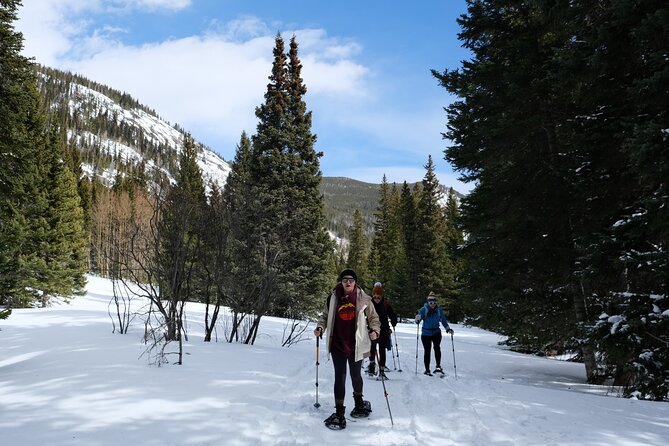
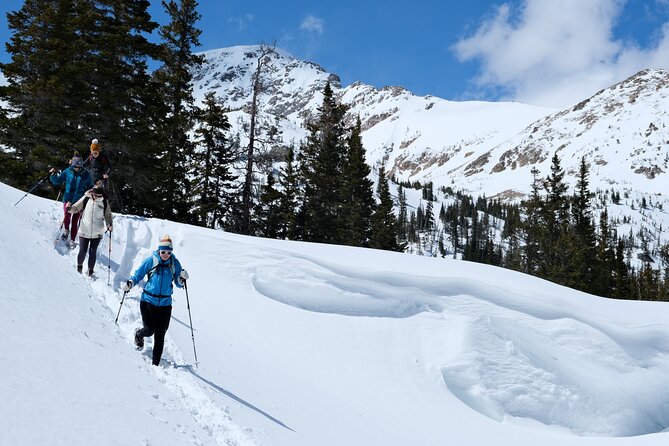
Typically you drive about 1.5 hours past Nederland to reach a trailhead “deep in the Rockies.” On this main option, the hike is usually 4 to 4.5 miles.
Depending on the season, you’ll go toward either:
- an alpine lake, or
- a historic ranch area with structures dating back over 100 years
This is a smart mix. A lake gives you that classic winter stillness. A ranch/mining-history area gives you something different from the usual trail photo set—structures you can actually imagine living around, even when everything is quiet under snow.
Past hikers specifically described routes featuring an old mining town vibe, which fits the “history-forward” feel of these areas. If you’re the type who likes a reason to pause besides views, this helps.
Closer Denver option: bison preserve and a shorter hike
If you’re looking for an easier day near Denver, there’s a 3.5-mile hike around a bison preserve. The big draw is simple: you may see bison up close if they’re near the fence.
This option is ideal if you want the winter experience but don’t want a longer trek. It can also be the better choice if you want to limit altitude stress and still come away with a memorable “Denver winter” moment.
Another nearby possibility: Red Rocks ruins
Depending on conditions, there’s also an option above Red Rocks that includes the ruins of a villa that burned down. You get a change of scenery and a different kind of “story on the trail,” not just snow and trees.


Choosing the Right Winter Traction: Snowshoes vs Microspikes
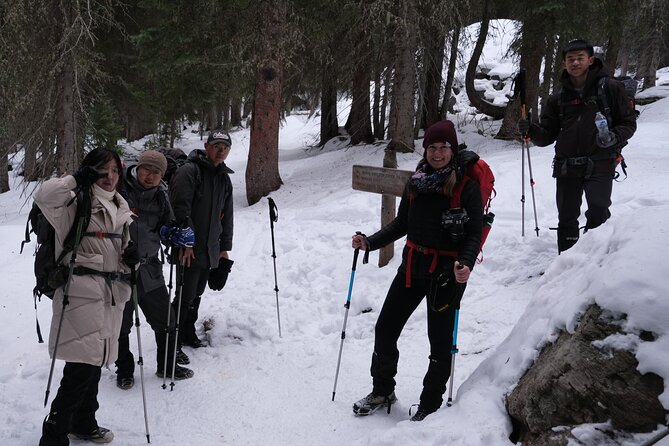
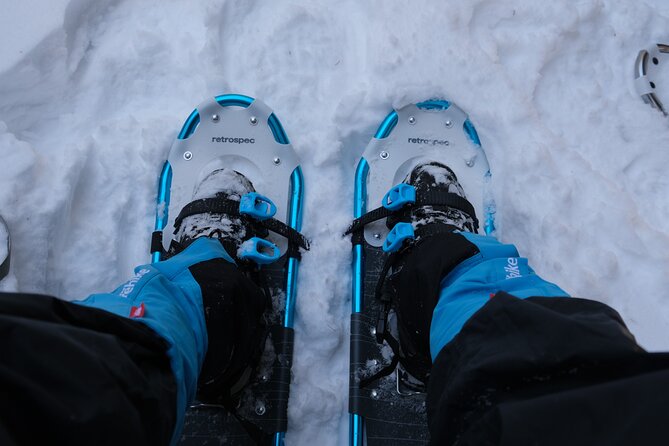
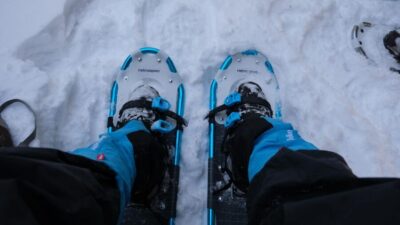
One of the most useful parts of this tour is that it doesn’t treat traction gear as a one-size-fits-all decision. Depending on trail conditions, you may use snowshoes or microspikes.
If microspikes are used, that’s often easier to manage over time. They’re also provided at no extra cost, so you’re not stuck paying for a change once you’re already on the ground.
Snowshoes can be more fun, especially when snow is deep and you want that classic winter walking style. But they’re also a bit more “gear awareness,” particularly when you’re moving through turns, uneven patches, and any icy spots under fresh snow.
Either way, you’re not left guessing. You’ll also be given hiking poles and gaiters. Those may sound like small extras, but they really help keep the snow from sneaking into your boots. Once you get cold feet, the whole experience stops feeling like adventure and starts feeling like survival.
The Hike Plan: Distance, Breaks, and What the Guide Watches For
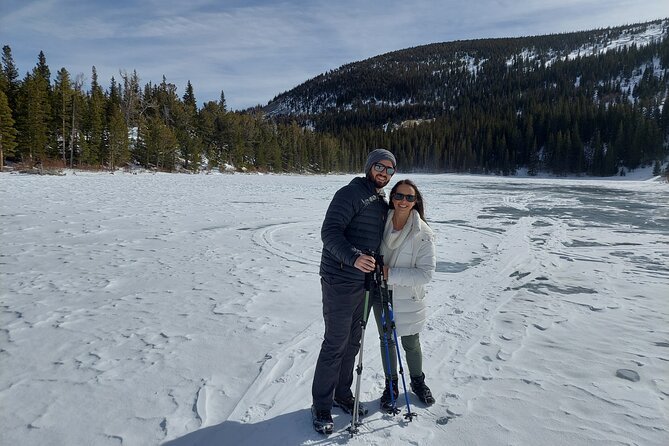
The distances are kept reasonable for winter hiking. Most outings fall into the 3.5-mile easy zone (bison preserve option) or 4 to 4.5 miles on the bigger-drive option. That’s not short enough to be dull, and it’s short enough that a lot of people with moderate fitness can manage it.
What really determines how enjoyable the day feels is the pace, and that’s where the guide makes a difference. Multiple hikers praised Jeremy for:
- frequent stops
- pacing that matches you
- staying flexible if the weather or conditions change
Altitude can be the tricky part. Even if you’ve hiked before, snow + cold + exertion can make breathing feel harder. A good guide keeps you moving but doesn’t turn your day into a fitness test.
If you’re new to snow hiking, the lack of markings on winter trails is another reality check. The tour is designed around that: you get navigation help so you don’t have to figure out where the trail is. That’s not just comfort; it’s safety.
What You Eat on Trail: Snacks That Actually Keep You Going
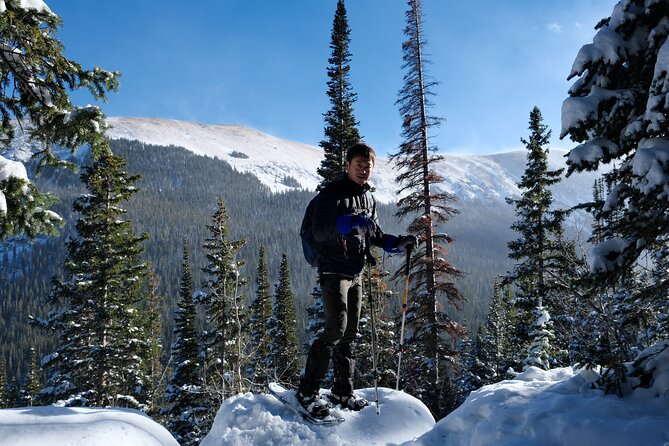
This is a day that includes food, and it matters more than you’d think. When you’re hiking in cold air, you burn calories faster and you can feel lightheaded if you don’t refuel.
You’ll enjoy a sandwich, plus snacks and chips on the trail before heading back downhill to the van. Several hikers also described warm additions like hot cocoa and peppermint tea during breaks, which fits the “winter comfort” side of the experience.
The practical benefit: you don’t have to plan a lunch. You also don’t have to stop somewhere random and hope it’s open, warm, and convenient. This is one of those “small” inclusions that can make or break a winter day.
Photos, Local Tips, and the Human Touch
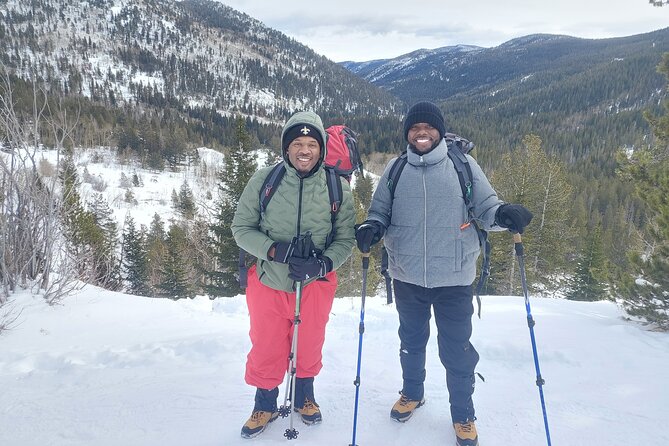
If you care about photos, this guide gets bonus points. Past hikers described Jeremy as a great photographer who helps you capture the day even if you’re not the person with the best camera skills.
And if you’re new to Denver, you may get local recommendations. One hiker even noted Jeremy provided a detailed list of suggestions, which is handy when you want to fill the rest of your trip without guessing.
These touches don’t replace the hike itself, but they add value. Winter outings can feel like a blur once you’re moving and breathing hard. Having someone who slows down the experience just enough to capture it (and share local context) makes the day feel more complete.
Price and Value: Is $130 Fair for 6 Hours?
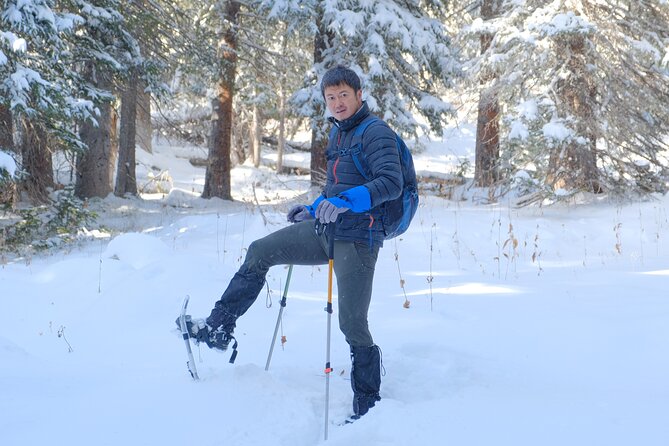
At $130 per person for about 6 hours, you’re paying for more than “walking on snow.” You’re paying for transportation to the trailhead, specialized winter gear, a guide, and included trail food.
Here’s how I’d think about value:
- A guide is essential when trails aren’t marked and conditions change.
- Microspikes/snowshoes, poles, and gaiters reduce what you’d otherwise need to buy or rent.
- Food on trail keeps the day smooth and avoids extra stops.
- The max 6 group size means more attention on the trail.
Could you snowshoe on your own cheaper? Yes, if you already have gear, can navigate winter trails, and don’t need help with pacing and traction. But most visitors don’t come to Denver prepared for that.
This price fits people who want a managed, low-stress day and don’t want to gamble on getting it right. Also, the fact that it’s commonly booked around 40 days in advance suggests demand for this exact combination of convenience + guide-led winter hiking.
Who Should Book This Snowshoeing Day From Denver?
This tour is a solid fit if you:
- want a guided winter experience without learning winter navigation
- like the idea of alternating scenery (lakes, historic ranch structures, ruins, or a bison preserve)
- are okay with winter trekking and have moderate physical fitness
- want a small group day where the guide can adjust pace
It also sounds especially good for first-timers. If it’s your first time hiking in snow or your first time dealing with altitude, a patient guide with traction gear and frequent breaks can change the whole experience from intimidating to fun.
On the other hand, if you’re seeking a long, hardcore workout, this may feel more “scenic day hike with gear” than “epic endurance.” The distances are moderate on purpose.
Should You Book It? My Practical Recommendation
I’d book this if you want snowshoeing that’s organized, safe, and thoughtfully matched to winter conditions—especially if you’re new to snow hiking or altitude. The best part isn’t just that you’ll see snow. It’s that the guide helps you navigate, stay comfortable, and enjoy the day with snacks and warm breaks instead of worrying about gear and directions.
Skip it (or rethink) if you don’t handle cold or exertion well. Weather can affect trail conditions, and you’ll be active for several hours. This is winter hiking, not a casual walk.
If you’re deciding between this and a more generic outdoor option, the small group size, included traction gear, and the guide’s flexible pacing are the reasons to choose it.
FAQ
How long is the snowshoeing experience?
It lasts about 6 hours (approx.), including the hike, trail break, and the drive time back.
Where does the tour start?
The meeting point is Union Station, Denver, CO 80202.
Is pickup offered?
Yes. Pickup is available from any residence downtown Denver.
When does the tour start?
The start time is 9:30am.
How far will we hike?
It varies by option and conditions. The main hikes are typically 4 to 4.5 miles, with a closer 3.5-mile option near a bison preserve.
Do you always use snowshoes?
Not always. Depending on trail conditions, microspikes may be used instead of snowshoes.
Is microspikes included?
Yes. Microspikes (when needed) are provided with no extra cost.
What winter gear is included?
You’ll be provided hiking poles and gaiters, and you’ll use the snow traction gear (snowshoes or microspikes) based on conditions.
Is food included?
Yes. You’ll have a sandwich, plus snacks and chips on the trail.
Is the group small?
Yes. The maximum group size is 6 travelers.
More Tour Reviews in Denver
- Discover Rocky Mountain National Park★ 5.0 · 3,419 reviews
- Small Group Tour of Pikes Peak and the Garden of the Gods from Denver★ 5.0 · 3,079 reviews
- Rocky Mountain Escape★ 5.0 · 1,977 reviews
- Downtown Denver Food Tour★ 5.0 · 1,751 reviews
- Red Rocks & Beyond★ 5.0 · 1,583 reviews
More Snow Days in Colorado
- Rocky Mountain National Park and Estes Park Tour from Denver Winter and Spring★ 5.0 · 511 reviews
- From Denver: Rocky Mountain National Park Winter/Spring Tour★ 4.9 · 148 reviews
- From Denver: Snowshoeing in Rocky Mountains★ 5.0 · 18 reviews
- Snowshoeing Adventure in the Rocky Mountains Close to Denver★ 5.0 · 10 reviews
- Snowshoe Through History Tour from Denver★ 5.0 · 5 reviews
Just Added: Fresh Denver Reviews
- Winter fun-Private transportation to Ski, snowmobiling, and dog sledding areas.
★ 5.0 · 3 reviews - Vintner’s Personalized Wine Tasting Experience
★ 4.5 · 3 reviews - Private Jeep Tour to Red Rocks, Dinosaur Ridge, Lookout Mountain
★ 4.5 · 3 reviews - Denver Int’l Airport (DEN) to Aspen Luxury Private SUV
★ 3.5 · 3 reviews - Private Car Service from Denver Int’l Airport (DEN) to Aspen or Snowmass
★ 5.0 · 3 reviews - Breckenridge & Continental Divide – Private Tour
★ 5.0 · 3 reviews
Colorado Winter & Snowshoe Tours, compared.
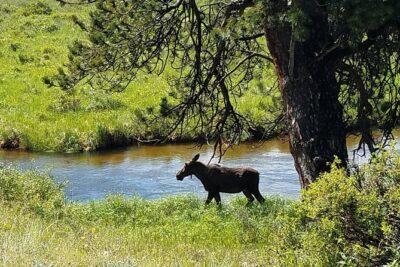 ★ 5.0Rocky Mountain National Park and Estes Park Tour from Denver Winter and SpringFrom $149511 reviews
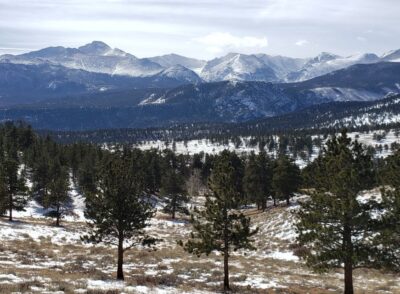 ★ 4.9From Denver: Rocky Mountain National Park Winter/Spring TourFrom $138148 reviews
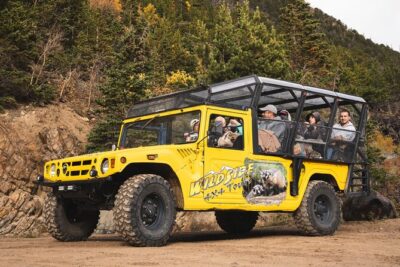 ★ 5.0Winter Wonderland Adventure Tour | Sledding (Wildside 4×4 Tours)From $124146 reviews
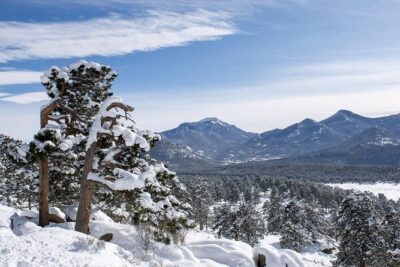 ★ 5.0Rocky Mountain National Park Tour – Winter In The Park – Estes Park Guided ToursFrom $10295 reviews
 ★ 5.0Winter / Spring Private Rocky Mountain National Park Guided TourFrom $17552 reviews
 ★ 5.0Rocky Mountain National Park Tour – Hidden Valley Sledding TourFrom $8723 reviews
 ★ 5.0From Denver: Snowshoeing in Rocky MountainsFrom $14518 reviews
 ★ 5.0Private Snowshoe Tour in Rocky Mountain National Park (seasonal)From $17512 reviews
Browse the lists this tour appears in