
Reviewed · RED ROCKS & DINOSAUR RIDGE TOURS
Rockies to the Red Rocks Train Denver to Moab SilverLeaf
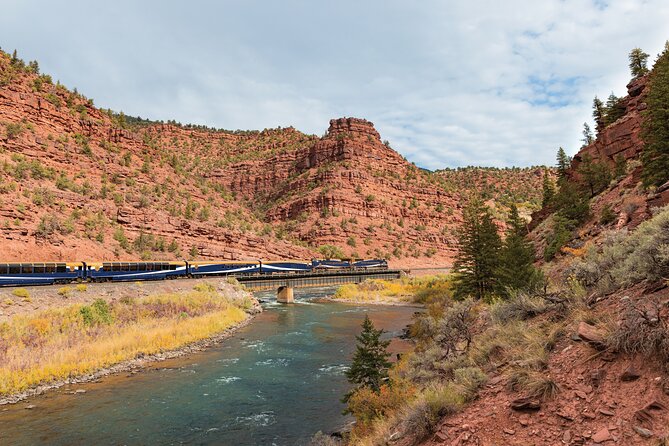
One train, two days, and real wow. The Rockies to the Red Rocks route turns the long drive between Denver and Moab into a front-row show of canyons, river bends, and red rock country, all without traffic hassles. You’ll also get an overnight pause in Glenwood Springs, plus Rocky Mountaineer’s SilverLeaf service, where meals and drinks come right to your seat.
What I love most is the way the trip lets you watch the region change. The onboard hosts (names like Mike, Joey, and Paul show up a lot in guest notes) give clear, practical narration so you’re not just staring out the window—you’re understanding what you’re seeing as the train heads through places like the Moffat Tunnel and down river canyons.
Second, the food setup is genuinely convenient: breakfast and lunch are handled as part of your rail day, with snacks and beverages throughout. A possible drawback is the trade-off you make for all that comfort and access: this is a mostly train-and-view experience, so you’ll have limited time to explore on your own during the day.
In This Review
- Key things I’d put on your must-know list
- Why this Denver to Moab train beats a road trip
- SilverLeaf service: where the comfort actually matters
- Getting started in Denver: RiNo and a rail engineering lesson
- Day 1 from Denver to Glenwood Springs: Continental Divide to canyon power
- RiNo to the mountain edge: Denver, Boulder, and the Flatirons view
- The Moffat Tunnel: crossing the Continental Divide
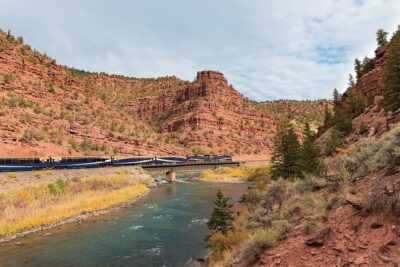
- Colorado River canyons: rapids, Byers Canyon, and Gore Canyon
- Final stretch to Glenwood Springs
- Glenwood Springs overnight: a real mid-trip reset
- Day 2 from Glenwood Springs to Moab: De Beque layers to the Moab gate
- New Castle, Parachute Creek, and Mount Logan
- De Beque Canyon: sedimentary stair-step cliffs
- Grand Junction and Fruita: river confluence and dinosaur fossils
- The Painted Canyon stretch: red sandstone and limited access
- Cisco and Thompson Springs: old railroad stops fading out
- Approaching Moab: Arches country and the La Sal Mountains
- Arriving in Moab and planning your next steps
- Price and value: what $1,723 is buying you
- Who this trip fits best (and who might want a different plan)
- Should you book Rockies to the Red Rocks?
- FAQ
- How long is the Rockies to the Red Rocks train route?
- What’s included in the price?
- Are meals served during the train ride?
- Is WiFi included onboard?
- Do I need to arrange baggage delivery to the hotel?
- Where do I meet and where does the trip end?
- What time does the experience start?
- Can I change or get a refund if my plans change?
Key things I’d put on your must-know list
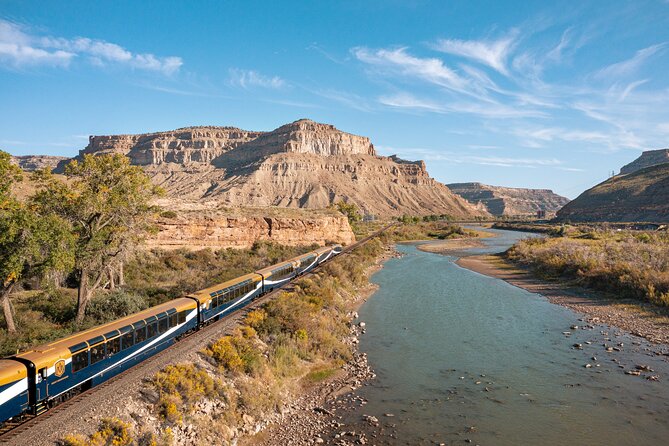
- Rail-only views through the Colorado River corridor you simply can’t replicate by car
- SilverLeaf seat service with meals and drinks delivered to you, plus friendly hosts
- Glenwood Springs overnight in Colorado’s spa town, a smart mid-trip reset
- Engineered route details like the Big 10 Curve and rail-friendly grades (about 2%)
- Optional SilverLeaf Plus lounge with extra space and a small outdoor viewing area
- Small group size (max 15 travelers), which keeps the experience calm and personal
Why this Denver to Moab train beats a road trip
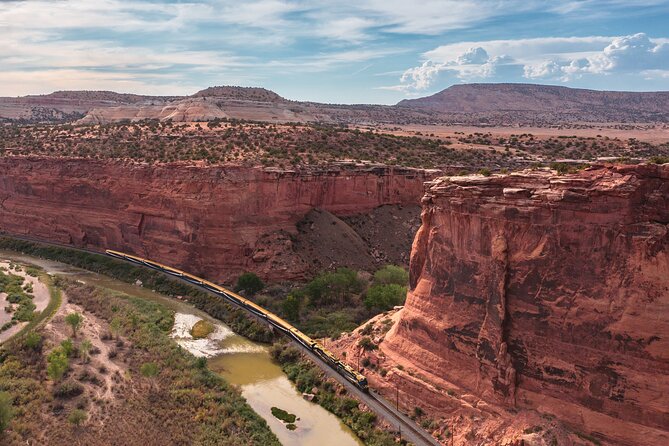
If you’ve ever driven west from Denver, you know the problem: you spend a lot of time watching the scenery through a windshield at high speed, while stopping-and-starting breaks the spell. On Rocky Mountaineer’s Rockies to the Red Rocks, the train moves at the pace of the view. You get long stretches where your focus can stay outside.
This route also hits a sweet spot between mountain power and desert drama. Day 1 is all about leaving the Plains behind, crossing the Continental Divide via the Moffat Tunnel (6.2 miles), then threading the Colorado River’s dramatic canyon world. Day 2 shifts into Utah’s red rock approach, with the route nearing Arches National Park before you arrive in Moab.
And because the trip is rail-only for the core experience, you’re seeing terrain that’s hard to reach without special timing. The train passes points like Gore Canyon (with cliffs over 1000 feet) without stopping, but you still get that locked-in vantage from the dome-style cars.
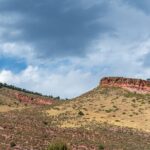
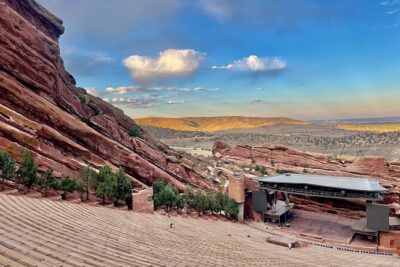
Red Rocks and the hogback, a few more
SilverLeaf service: where the comfort actually matters
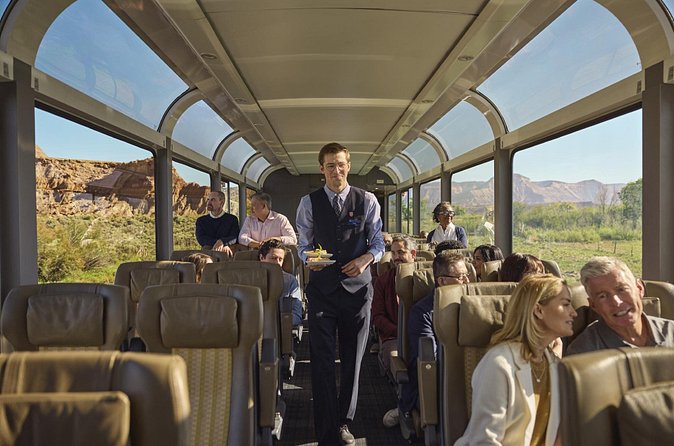
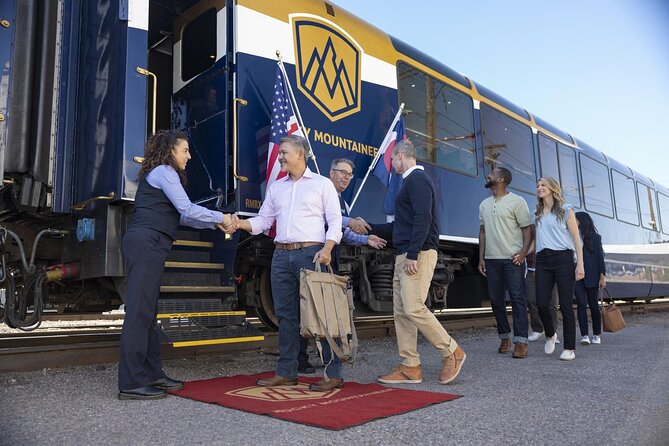
Rocky Mountaineer’s SilverLeaf is the standard level here, and it’s built for people who don’t want to micromanage a vacation. The biggest practical win is that meals and beverages are brought to your seat. That means you’re not constantly deciding whether to find a restaurant, then losing the view during the walk.
The trip also includes:
- World-class Hosts who provide onboard storytelling
- Complimentary baggage transfers, including handling to your midpoint lodging
- Restroom on board (small detail, big stress saver)
You can upgrade to SilverLeaf Plus if you want more space and a different hangout option. The lounge car adds extra room to relax, plus a small outdoor viewing area. If you’re the type who likes to move around and reposition for photos, Plus can feel worth it.
One more practical comfort detail: the rail cars are described as clean and comfortable, and the dome windows are a major part of the “how did we see that?” feeling. Even when you’re not a hardcore photographer, dome-style sightlines make the trip feel less like you’re passing through and more like you’re riding inside the scenery.
Getting started in Denver: RiNo and a rail engineering lesson
Your day starts with a motorcoach transfer that doesn’t just dump you at a platform. You’ll pass through Denver’s River North Art District (RiNo), a neighborhood locals know for creative businesses and colorful street art murals. It’s a quick way to get a different Denver vibe before the train takes over.
Then you board and settle into the full rail day with breakfast and lunch, plus snacks and drinks. This part matters because you’re on the train for most of the day, and you’ll want your energy handled without fuss.
The route also gives you a cool “how did they build that?” moment. Early on, you’ll travel along an engineering feature called the Big 10 Curve—tight 10-degree radius curves designed to keep the grade railroad-friendly (about a 2% grade). In plain English: the train is built for this terrain, not just dragged through it. That’s why the views feel smooth instead of jerky and why the ride stays comfortable.
Day 1 from Denver to Glenwood Springs: Continental Divide to canyon power
Day 1 is long (around 12 hours door-to-midpoint), and it’s packed with terrain changes. What makes it work is that the train keeps moving, so you don’t have to force your own itinerary.
RiNo to the mountain edge: Denver, Boulder, and the Flatirons view
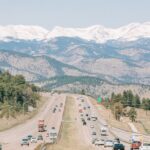
As you leave Denver, keep an eye out for the transition zones. You may catch views toward Boulder and its famous Flatirons, where the Rocky Mountains meet the Plains. It’s the kind of sight that helps you get your bearings fast—because suddenly the rest of the route makes sense.
You’ll also see the Gross Reservoir Dam as the train gains elevation toward the mountain side. Reservoirs like this often look ordinary from a car, but from the rail window, you notice how the water system supports the region.
The Moffat Tunnel: crossing the Continental Divide
One of the route’s most talked-about moments is the Moffat Tunnel, a 6.2-mile stretch cutting through mountainous terrain as you cross the Continental Divide. Even if tunnels aren’t your thing, it’s one of those points where the route feels serious and engineered, not casual.
When you exit, the scenery shifts into the kind of mountain resort backdrop you associate with Colorado. The train then continues along the Colorado River, where the corridor becomes the main character.


Colorado River canyons: rapids, Byers Canyon, and Gore Canyon
The Colorado River is known for dramatic canyons and whitewater sections. From the train, you can watch for rafters and the general river activity along the way. It’s a fun reminder that you’re seeing a place with multiple adventure styles happening at once.
As you keep rolling, you’ll pass through areas such as:
- Byers Canyon, where wildlife may show up
- Gore Canyon, the day’s biggest canyon drama, with over 1000-foot-tall cliffs
Important note: Gore Canyon is one of the most dramatic sights along the route, but the train passes through without stopping. That’s good news if you’re trying to stay efficient (less waiting), and it’s also why you’ll want to be ready with your camera and phone battery before you reach that stretch.
Final stretch to Glenwood Springs
By evening, you arrive in Glenwood Springs, where the pace changes from moving views to real downtime. You’ll disembark and have the comfort of a cozy hotel room to reset.
One reason this overnight works is that Glenwood Springs is built around the idea of soaking and recovering. If you want, you can enjoy a soak in the hot springs right there in town.
Glenwood Springs overnight: a real mid-trip reset
This overnight is the anchor that makes the two-day rail experience feel like more than just “a long day in a train.” Instead of stacking more hours of viewing back-to-back, you get time to stretch your legs and decompress.
You’re also in a town that’s easy to understand at a glance. The vibe is simple: hot springs, classic Colorado feel, and a walkable rhythm that fits people who don’t want to rush. Even if you don’t plan a big activity, the change from rail schedule to hotel schedule feels like a small luxury.
If your Glenwood Springs hotel is Hotel Colorado, it has a reputation for being a classic, historic-style stop that people really like as part of the overall experience. You can treat that as a “bonus if it happens,” not a guarantee you should base your plans on.
Day 2 from Glenwood Springs to Moab: De Beque layers to the Moab gate
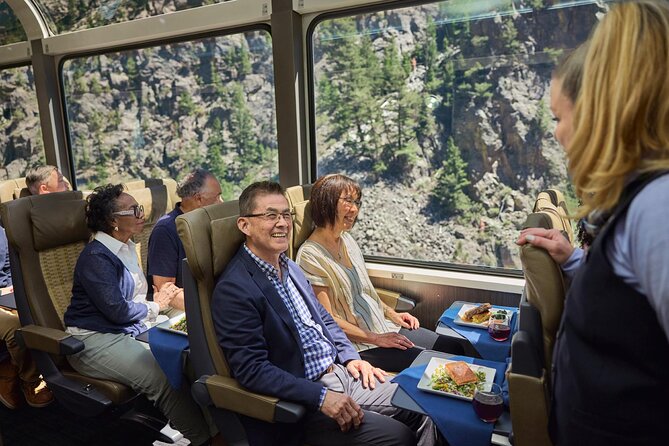
Day 2 continues for roughly another 12 hours. The best way to enjoy it is to think of this day as the transition from Colorado canyon power into Utah red rock country.
New Castle, Parachute Creek, and Mount Logan
Shortly after leaving Glenwood Springs, the train passes through New Castle. The Colorado River flows through town, and it’s known for trout fishing, rafting, and kayaking. Even if you aren’t doing water sports, it gives context: this river corridor isn’t just scenic, it’s active.
As the train continues west, you’ll pass by Parachute Creek and Mount Logan, then head toward De Beque Canyon.
De Beque Canyon: sedimentary stair-step cliffs
De Beque Canyon is 15 miles of narrow canyon with stair-step cliffs of sedimentary rock layers. From a seat on a moving train, those layers can be surprisingly easy to spot because you’re seeing them at multiple angles over time. It’s the kind of geology that makes you feel like you understand more when the train narration is doing its job.
Grand Junction and Fruita: river confluence and dinosaur fossils
Later, you’ll pass through Grand Junction, developed at the confluence of the Gunnison River and the Grand River. As the route continues, the train passes Fruita, known for dinosaur fossils and for the character of small towns.
Fruita also has a quirky local claim-to-fame around Mike the Headless Chicken and a festival every May. That kind of detail is exactly why the onboard stories add value: they keep the “what is this place?” question from hanging in the air.
The Painted Canyon stretch: red sandstone and limited access
Then comes a long canyon stretch with red sandstone cliffs along the Colorado River. It’s part of why the route is so loved: this canyon is popular for river rafting but otherwise largely inaccessible.
When you’re on the train, you’re getting access in the practical sense. You can admire it without coordinating permits, guides, and logistics.
Cisco and Thompson Springs: old railroad stops fading out
The train also passes by Cisco, Utah, a former watering stop for steam engines on the Denver and Rio Grande Western Railroad. It’s a reminder that this region was built around rail—then changed when the Interstate reshaped travel.
You’ll also pass Thompson Springs, once thriving and now with very few remaining buildings. Again, the value here isn’t just scenery. It’s seeing the human side of the West: people arrive for the rails, then move on when travel patterns change.
Approaching Moab: Arches country and the La Sal Mountains
As you near Moab, breathtaking red rock formations come into view and the route passes by the area of Arches National Park. In the distance you can see the La Sal Mountains, described as Utah’s second-highest mountain range.
This is the moment where the trip stops feeling like “I’m on a train” and starts feeling like “I’m arriving in Utah’s Mighty 5 world.”
Arriving in Moab and planning your next steps
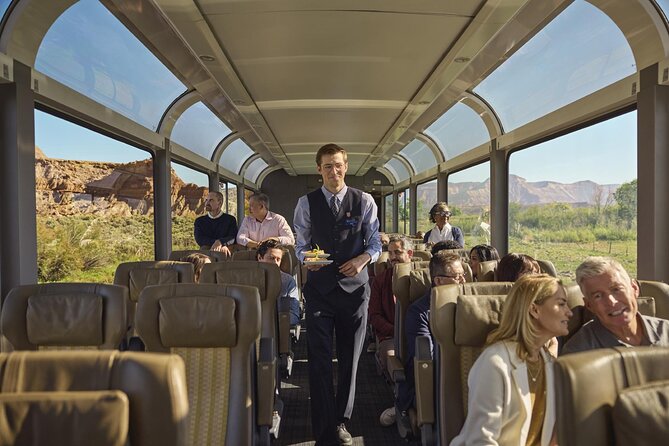
Moab is the gateway to Utah’s Mighty 5 National Parks. That’s not just marketing language; it helps you understand why Moab is so busy and why people base trips here.
Your rail day ends at the Rocky Mountaineer Moab Guest Centre, 59 S Main St, suite 3. The start time listed for this experience is 8:30am. For westbound Denver-to-Moab guests, you’ll disembark at the Hoodoo Moab Hotel.
What I like about having the rail drop-off handled is that you don’t need to solve the “how do I get my bags” problem while you’re already excited. With Rocky Mountaineer’s baggage handling built in, you can focus on the transition from rail views to park plans.
Price and value: what $1,723 is buying you
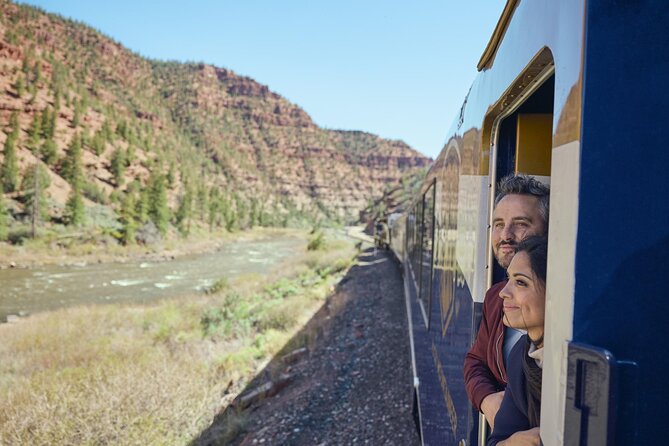
At $1,723 per person for about a two-day rail experience, this isn’t a budget trip. So you need to judge it on what it replaces.
You’re paying for:
- A rail-only route through high-drama canyon terrain
- Seat-service meals and beverages (so you’re not spending vacation time on meal logistics)
- Hosts and narration that give meaning to what you’re seeing
- Baggage transfers that move your things for you
- An overnight in Glenwood Springs included in the package
If you were driving yourself, you’d likely spend on a rental car, gas, lodging, and meals—plus you’d lose some of the “watch the terrain unfold” advantage. This rail trip trades that independence for convenience and access, and for many people, that trade is exactly the point.
Also, the trip is capped at 15 travelers, which helps keep the service feeling attentive rather than assembly-line.
Who this trip fits best (and who might want a different plan)
This is a great choice if you want:
- Big regional views without the stress of constant stops
- Comfortable, structured days with food handled for you
- A one-time “how is this possible by train?” experience
It might feel less perfect if you:
- Want long, free-form exploration time each day
- Need lots of flexibility to pop out for your own hike stops
- Rely on onboard internet for work or constant planning (WiFi isn’t included)
Should you book Rockies to the Red Rocks?
I’d book it if you want a low-stress way to see the Colorado River canyon world and then step into Moab’s red rock orbit without coordinating a road-trip puzzle. The onboard Hosts, the seat-service meals, and the dome-style viewing are the trio that make this more than just transportation.
If you’re price-sensitive or you want to spend most of your time off the train, you may feel boxed in by the schedule. But if you like the idea of watching the West unfold—engineered tunnels, deep canyons, and the final approach to Arches—this is one of the more satisfying ways to do it.
FAQ
How long is the Rockies to the Red Rocks train route?
It’s about 2 days total, with a day 1 ride from Denver to Glenwood Springs and a day 2 ride from Glenwood Springs to Moab.
What’s included in the price?
The package includes lunch, one night accommodation in Glenwood Springs, onboard restroom access, gratuities, luggage handling to and from the midpoint accommodations, and onboard storytelling with meals and beverages. A breakfast option is listed as optional.
Are meals served during the train ride?
Yes. You’ll have breakfast and lunch on day 1, with snacks and drinks throughout the day. On day 2, you have a two-course hot breakfast.
Is WiFi included onboard?
No. WiFi on board is listed as not included.
Do I need to arrange baggage delivery to the hotel?
No. Luggage handling to and from your Glenwood Springs accommodation is included, so you don’t have to manage your bags during the overnight.
Where do I meet and where does the trip end?
The start and end point are listed as the Rocky Mountaineer Moab Guest Centre, 59 S Main St, suite 3, Moab, UT 84532. For guests traveling westbound from Denver to Moab, the train disembarks at the Hoodoo Moab Hotel.
What time does the experience start?
The start time is listed as 8:30 am.
Can I change or get a refund if my plans change?
No. This experience is non-refundable and cannot be changed for any reason.
More Tour Reviews in Denver
- Discover Rocky Mountain National Park★ 5.0 · 3,419 reviews
- Small Group Tour of Pikes Peak and the Garden of the Gods from Denver★ 5.0 · 3,079 reviews
- Rocky Mountain Escape★ 5.0 · 1,977 reviews
- Downtown Denver Food Tour★ 5.0 · 1,751 reviews
- Red Rocks & Beyond★ 5.0 · 1,583 reviews
Red Rocks and Dinosaur Ridge
- Red Rocks & Beyond★ 5.0 · 1,583 reviews
- Shared Half-Day Mountain Tour in Red Rocks Evergreen and Echo Lake★ 5.0 · 821 reviews
- Visit Red Rocks Park, Continental Divide & Breckenridge★ 5.0 · 765 reviews
- From Denver: Red Rocks, Evergreen, and Echo Lake Tour★ 4.9 · 597 reviews
- Mount Blue Sky Alpine Summit & Red Rocks Tour from Denver★ 5.0 · 120 reviews
Just Added: Fresh Denver Reviews
- Winter fun-Private transportation to Ski, snowmobiling, and dog sledding areas.
★ 5.0 · 3 reviews - Vintner’s Personalized Wine Tasting Experience
★ 4.5 · 3 reviews - Private Jeep Tour to Red Rocks, Dinosaur Ridge, Lookout Mountain
★ 4.5 · 3 reviews - Denver Int’l Airport (DEN) to Aspen Luxury Private SUV
★ 3.5 · 3 reviews - Private Car Service from Denver Int’l Airport (DEN) to Aspen or Snowmass
★ 5.0 · 3 reviews - Breckenridge & Continental Divide – Private Tour
★ 5.0 · 3 reviews
Red Rocks & Dinosaur Ridge Tours, compared.
 ★ 5.0Red Rocks & BeyondFrom $1041,583 reviews
 ★ 5.0Shared Half-Day Mountain Tour in Red Rocks Evergreen and Echo LakeFrom $95821 reviews
 ★ 5.0Visit Red Rocks Park, Continental Divide & BreckenridgeFrom $138765 reviews
 ★ 4.9From Denver: Red Rocks, Evergreen, and Echo Lake TourFrom $84597 reviews
 ★ 5.0Mount Blue Sky Alpine Summit & Red Rocks Tour from DenverFrom $199120 reviews
 ★ 5.0Red Rocks Morning HikeFrom $119110 reviews
 ★ 5.0Rockies to the Red Rocks Train – Denver to Moab – SilverLeaf PlusFrom $2,32798 reviews
 ★ 4.9From Denver: Red Rocks and Foothills Half-Day Guided TourFrom $9570 reviews
Browse the lists this tour appears in