
Reviewed · ROCKY MOUNTAIN NATIONAL PARK TOURS
Guided Hike to Alpine Lakes
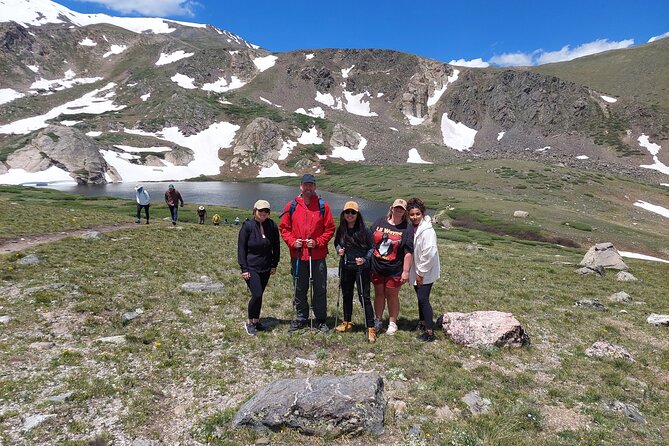
Alpine lakes feel like a payoff. This Denver-led hike heads into Colorado’s high country, and the guide picks the best destination based on current trail and snow conditions. When higher trails are still buried (often well into June), you’ll go for a lower-elevation lake instead.
Two things I really like: the small group size (max 6) keeps the pace friendly and the conversations real, and the guide brings real trail food—snacks, hot chocolate, sandwiches, and a lunch package that tastes extra good at altitude. The drive from Denver to the trailhead is usually 1 to 1.5 hours, so you spend the day outside, not sitting on a bus.
One consideration: this isn’t a flat stroll. You’ll hike about 4 to 6 miles round trip at 9,000 to 12,000 feet, so you’ll want moderate fitness and a willingness to take it slow on steeper or snowier stretches.
In This Review
- Key highlights you should care about
- Choosing the Right Lake When Snow Still Runs the Show
- From Union Station to the Trailhead: The Denver Setup
- On the Trail: 4 to 6 Miles, About 3 Hours, and Real Altitude
- Lakes You Might See: Silver Dollar, Lost, Isabelle, Crater Lakes
- What You Actually Get for $120: Transportation, Guide, and Food
- Guide Jeremy’s Touch: Pace, Conversation, and Plan-B Energy
- Snow Days, Snowshoes, and Staying Flexible
- Fitness, Footwear, and How to Prep for 12,000 Feet
- Weather, Safety, and What Happens If Plans Change
- Who Should Book This Alpine Lakes Hike
- Should You Book the Guided Hike to Alpine Lakes?
- FAQ
- Where is the meeting point for the hike?
- What time does the tour start?
- Is pickup available, and what vehicle should I look for?
- How long is the experience?
- How long do we hike, and what distance will it be?
- What elevation range should I expect?
- What lakes might the guided hike visit?
- What happens if the trail is snow-covered?
- Who is the hike suitable for?
- Is the tour offered in English, and are service animals allowed?
- What if weather is bad or I need to cancel?
Key highlights you should care about
- Snow-adapted route planning based on what the trail is doing right now
- Small-group pacing with room for questions and short micro-breaks
- Food on the hike including snacks, hot chocolate, and a lake-view lunch package
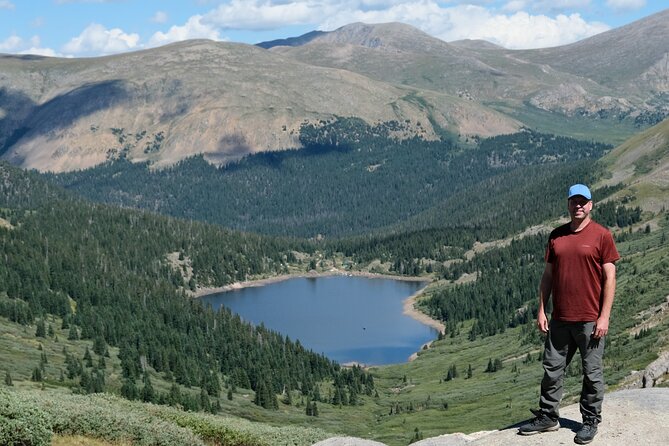
- Multiple possible destinations like Silver Dollar, Lost Lake, Lake Isabelle, and Crater Lakes
- High-alpine viewpoints with 3 hours on the trail and big mountain panoramas
Choosing the Right Lake When Snow Still Runs the Show
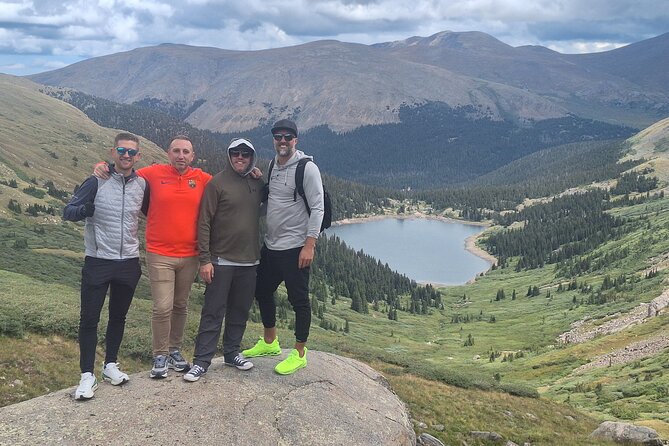
This hike is built around a simple reality of Colorado: early season trails can stay snow-covered long after the calendar turns. The plan is not stubborn. Your guide chooses the best lake destination based on trail and snow conditions, and if the higher-elevation option is blocked, you’ll pivot to a lower-elevation lake that still delivers that alpine feel.
That flexibility is the secret sauce. It can mean more time enjoying the day instead of staring at closed or unsafe terrain. In practice, it can also mean you get variety: one outing might focus more on close-up ridgelines and dramatic shorelines, while another day might mean deeper snow travel (and a different kind of workout) to reach the best viewpoint available.
If you’re traveling in late spring or early summer, this matters. Those “maybe the trail is open” weeks can either make your trip frustrating—or make it special. This tour is structured to handle the snow rather than fight it.
More of the park, gateway to the high peaks
From Union Station to the Trailhead: The Denver Setup
You meet at Union Station in Denver (80202) at 9:30 am, and the tour ends back at the same meeting point. Pickup is offered, and the van is listed as a grey minivan (Crwa99)—handy if you’d rather not figure out parking or transfers before a mountain day.
Once you’re loaded, expect a drive of about 1 to 1.5 hours from Denver to the trail area. That timing is important because it keeps the day balanced: you’re not spending most of your daylight in transit. And with about 3 hours on the trail during a total 6 hours (approx.) outing, you still get a meaningful hike without it swallowing your entire day.
If you’re doing Denver for a short visit, the schedule is also friendly. You can pair this with a relaxed dinner later, since you’re back at Union Station when you’re done instead of needing another shuttle or ride.
On the Trail: 4 to 6 Miles, About 3 Hours, and Real Altitude
The hike distance is typically 4 to 6 miles round trip, with the time on foot around three hours. Elevation ranges from 9,000 to 12,000 feet, which sounds like a number until you feel it—wind, thin air, and sometimes snow crust or slush depending on conditions.
The good news is the pace is set up for a moderate fitness level. You’re not expected to sprint between photo stops. Instead, you’ll get short micro-breaks along the way, plus time to enjoy what’s around you: wildflowers in season, evergreens, and wide mountain views that open up as you gain elevation.
A nice extra is that the day doesn’t feel like a single straight line to the finish. There’s time built in for the lake experience—stopping, looking, taking in the quiet—then turning back at a point that matches the day’s conditions. If snow is involved, expect the hike to feel more physical, even if the distance stays similar.
Lakes You Might See: Silver Dollar, Lost, Isabelle, Crater Lakes
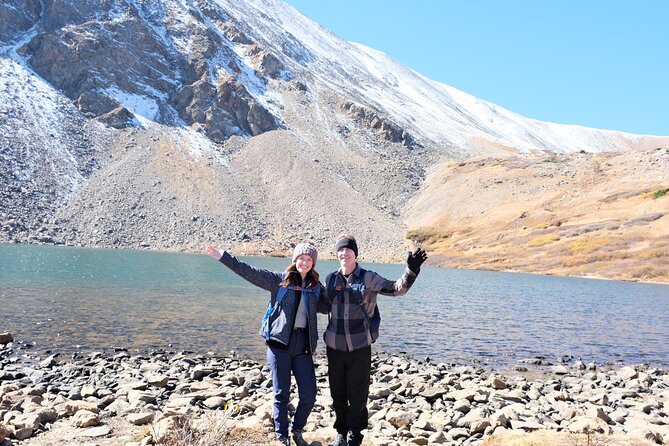
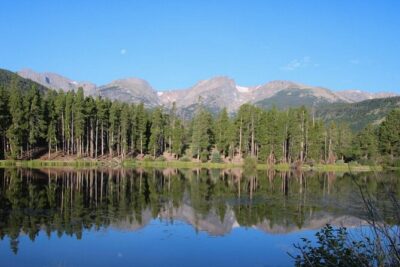
Colorado’s alpine lakes can look similar at first glance from far away, then surprise you up close. This tour may visit different destinations depending on the season and snow, including:
- Silver Dollar Lake: known for its striking ridgeline look and classic high-country drama.
- Lost Lake: a quieter, more forested feeling that still gives big views from the right angles.
- Lake Isabelle: often associated with a wildflower-filled basin vibe.
- Twin Crater Lakes: tucked beneath rugged cliffs, which can feel more secluded.
What’s valuable here is the way the guide treats the destination as a living thing. If conditions make one trail too risky or slow, you don’t lose the whole experience—you get a different lake that fits what’s happening that day.
So the “which lake will I get?” answer isn’t fixed. But that’s also why this tour can work well across multiple months. You’re not just chasing a single photo location; you’re getting a guided alpine hike shaped by the mountains’ mood.
What You Actually Get for $120: Transportation, Guide, and Food
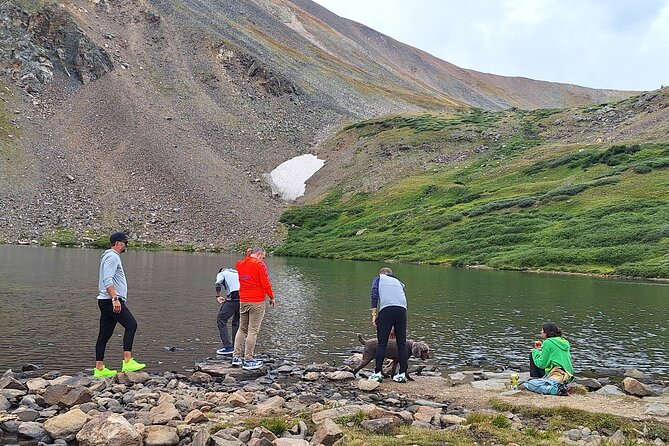
At $120 per person, the price can feel steep until you add up what’s included in a small-group day like this.
You’re getting:
- Door-to-trail transportation from central Denver (pickup offered; back to Union Station)
- A guide who adjusts the route based on trail and snow conditions
- Time-saving guidance so you spend the day hiking rather than guessing which path makes sense
- Real comfort items like snacks, hot chocolate, and sandwiches, plus a lunch package at the lake
That food detail isn’t just cute. At elevation, you burn more energy, and being fueled keeps the hike from turning into a grumpy slog. Hot chocolate is also a very practical choice when the air bites—even if the sun is out.
Add in the group limit of 6 travelers max, and you get a more personal day than the large-coach style excursions. If you want a guided hike where someone is actively thinking about route safety and enjoyment, the value makes more sense.
Guide Jeremy’s Touch: Pace, Conversation, and Plan-B Energy
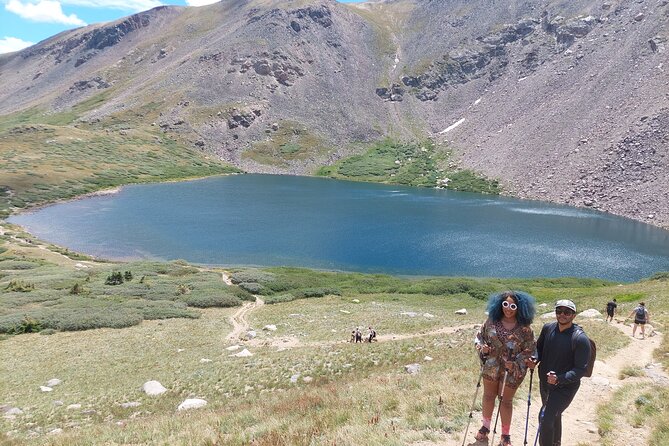
One thing that comes through clearly is the role of the guide. In these mountain days, the guide isn’t just a person with a flag. A good guide reads conditions, manages pacing, and keeps you oriented without turning the day into a lecture.
The guide name you’ll often see here is Jeremy. From the feedback, Jeremy is known for:
- Clear communication and good day planning
- Knowing the local terrain and how it behaves under different conditions
- Using micro-breaks so everyone stays comfortable
- Sharing context about the region—Denver, Boulder, and the broader Rocky Mountain area—so the drive and hike don’t feel silent
Most importantly, Jeremy is comfortable running a plan B. If the original plan hits issues like avalanche warnings or a blocked route, the day doesn’t collapse. Instead, you swap to another hike option that still delivers views and a real alpine experience.
That is exactly what you want when mountains do what mountains do.
Boots on more trails up high


Snow Days, Snowshoes, and Staying Flexible
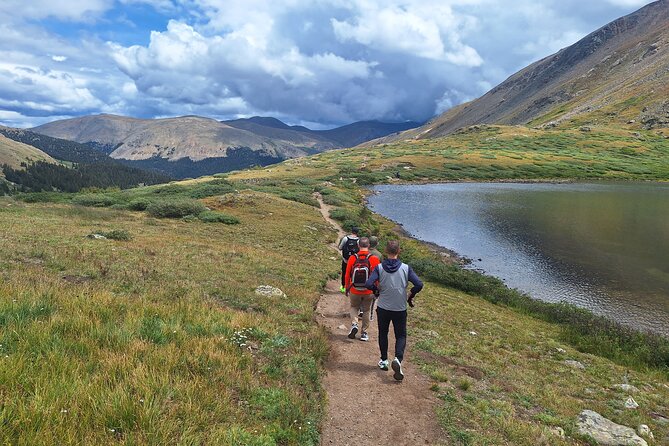
If you hike in Colorado around shoulder season, you need to expect snow somewhere in the system. The tour is explicitly set up for this. Higher elevation trails may remain snow-covered well into June, which means you should be ready for:
- A route change to a lower lake if needed
- Deeper snow travel when conditions call for it
In at least some cases, snow travel can involve snowshoes for traction and movement through deeper snow. The exact details vary by day, but the key point is that the guide is making calls based on real trail conditions, not just a printed plan.
Your best strategy is mindset. Come in thinking: this might not be the exact same trail as the one you saw online, and that’s okay. The goal here is the alpine experience, not a checkbox hike.
Fitness, Footwear, and How to Prep for 12,000 Feet
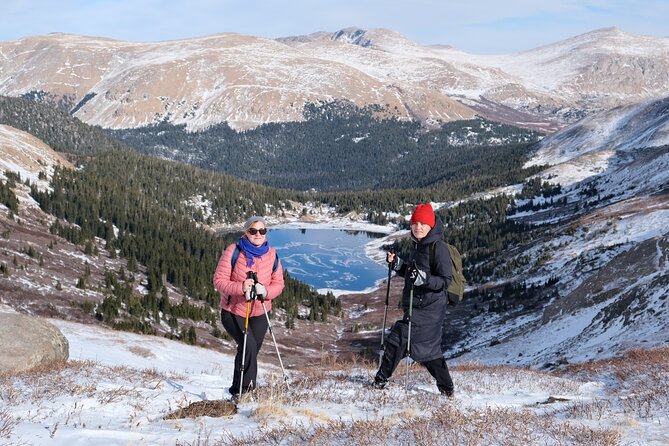
The tour calls for moderate physical fitness. That usually means you should be comfortable with steady uphill walking for a few hours and able to handle changes in footing—especially if the trail is snowy or icy.
Before you go, plan for:
- Layers, because mountain weather shifts fast
- Footwear with solid traction for rocky or snow-dusted ground
- Water and snacks beyond what’s provided, if you’re the type who likes extra control
- A slower pace expectation at higher elevation
The good thing is the structure helps you manage effort: about three hours on the trail, plus frequent short breaks. This isn’t designed to exhaust you. It’s designed to get you to the viewpoint and let you enjoy the lake time without feeling wiped out.
Weather, Safety, and What Happens If Plans Change
This hike requires good weather. That doesn’t just mean sunshine is preferred—it means the operator plans around what’s safe and enjoyable outdoors.
If the experience gets canceled due to poor weather, you’ll be offered a different date or a full refund. That policy matters because mountain weather can change fast, and it’s better to reschedule than gamble on conditions.
The other form of change is trail selection. The guide may adjust the destination based on snow and trail access. That’s not a failure. It’s part of what makes this tour work in real Colorado seasons.
Who Should Book This Alpine Lakes Hike
This is a great fit if you:
- Want a guided hike with real route flexibility
- Like small groups and a guide who talks and explains
- Prefer a day that includes food and comfort, not just a long walk
- Are excited by alpine lakes and want the classic Rocky Mountain viewpoints
It may be less ideal if you want a very long, strenuous hike, or if you’re expecting a totally flat trail with guaranteed conditions. Snow and altitude are part of the deal, and the guide may shift the destination to match safety and access.
Should You Book the Guided Hike to Alpine Lakes?
Yes, if your goal is an alpine-lake day that’s guided, paced, and adaptable. For $120, you’re paying for more than transportation—you’re paying for the ability to get a great hike even when the higher trails aren’t cooperating.
If you’re traveling in a month where snow lingers, this tour’s flexible approach is especially reassuring. Just come prepared for altitude and variable footing, and you’ll be in the right frame of mind for a day that feels like real Colorado outdoors—without the stress of planning every detail yourself.
FAQ
Where is the meeting point for the hike?
You meet at Union Station in Denver, CO 80202.
What time does the tour start?
The tour starts at 9:30 am.
Is pickup available, and what vehicle should I look for?
Pickup is offered. The vehicle is listed as a grey minivan (Crwa99).
How long is the experience?
It runs about 6 hours total (approx.).
How long do we hike, and what distance will it be?
You’ll spend about 3 hours on the trail, hiking roughly 4 to 6 miles round trip.
What elevation range should I expect?
You’ll hike to elevations between 9,000 and 12,000 feet.
What lakes might the guided hike visit?
Possible destinations include Silver Dollar Lake, Lost Lake, Lake Isabelle, and the twin Crater Lakes.
What happens if the trail is snow-covered?
The guide chooses the best destination based on current trail and snow conditions. If higher trails are snow-covered, you’ll head to a lower-elevation lake instead.
Who is the hike suitable for?
It’s designed for travelers with a moderate physical fitness level.
Is the tour offered in English, and are service animals allowed?
The tour is offered in English, and service animals are allowed.
What if weather is bad or I need to cancel?
You can cancel for a full refund up to 24 hours before the experience’s start time. The experience requires good weather; if it’s canceled due to poor weather, you’ll be offered a different date or a full refund.
More Tour Reviews in Denver
- Discover Rocky Mountain National Park★ 5.0 · 3,419 reviews
- Small Group Tour of Pikes Peak and the Garden of the Gods from Denver★ 5.0 · 3,079 reviews
- Rocky Mountain Escape★ 5.0 · 1,977 reviews
- Downtown Denver Food Tour★ 5.0 · 1,751 reviews
- Red Rocks & Beyond★ 5.0 · 1,583 reviews
More Trails in the Rockies
- Guided Hiking Tour in Colorado Rocky Mountains View of Mt BlueSky★ 5.0 · 366 reviews
- The EDGE: Epic Sky Trek★ 5.0 · 166 reviews
- Hiking in the Rockies – Group hike tour near Denver★ 5.0 · 140 reviews
- Glacier Hiking & Geothermal Cave Pools Tour★ 5.0 · 139 reviews
- Red Rocks Morning Hike★ 5.0 · 110 reviews
More Ways Into the Park
- Discover Rocky Mountain National Park★ 5.0 · 3,419 reviews
- Rocky Mountain National Park in Summer Tour from Denver★ 5.0 · 696 reviews
- Rocky Mountain National Park and Estes Park Tour from Denver Winter and Spring★ 5.0 · 511 reviews
- From Denver: Rocky Mountain National Park Day Trip and Lunch★ 4.8 · 264 reviews
- Denver: Rocky Mountain National Park Tour with Picnic Lunch★ 4.9 · 250 reviews
Just Added: Fresh Denver Reviews
- Winter fun-Private transportation to Ski, snowmobiling, and dog sledding areas.
★ 5.0 · 3 reviews - Vintner’s Personalized Wine Tasting Experience
★ 4.5 · 3 reviews - Private Jeep Tour to Red Rocks, Dinosaur Ridge, Lookout Mountain
★ 4.5 · 3 reviews - Denver Int’l Airport (DEN) to Aspen Luxury Private SUV
★ 3.5 · 3 reviews - Private Car Service from Denver Int’l Airport (DEN) to Aspen or Snowmass
★ 5.0 · 3 reviews - Breckenridge & Continental Divide – Private Tour
★ 5.0 · 3 reviews
Rocky Mountain National Park Tours, compared.
 ★ 5.0Discover Rocky Mountain National ParkFrom $1993,419 reviews
 ★ 5.0Rocky Mountain National Park in Summer Tour from DenverFrom $169696 reviews
 ★ 5.0Rocky Mountain National Park and Estes Park Tour from Denver Winter and SpringFrom $149511 reviews
 ★ 5.0The Rocky Mountain National Park Safari TourFrom $119366 reviews
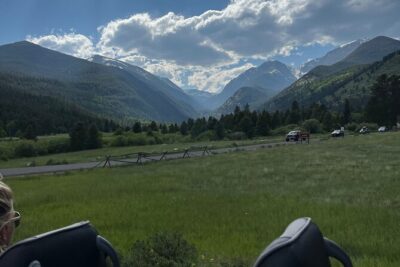 ★ 5.0Retractable Glass Top Tour in Rocky Mountain National ParkFrom $107357 reviews
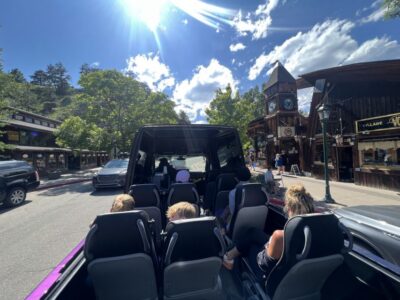 ★ 5.0Estes Park: Rocky Mountain National Park Glass-Top Bus TourFrom $156266 reviews
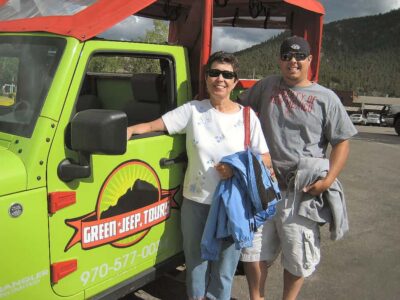 ★ 4.8Estes Park: Rocky Mountain National Park Safari TourFrom $130264 reviews
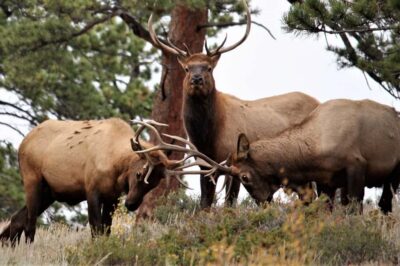 ★ 4.8From Denver: Rocky Mountain National Park Day Trip and LunchFrom $190264 reviews
Browse the lists this tour appears in