
Reviewed · ROCKY MOUNTAIN NATIONAL PARK TOURS
Estes Park: Bear Lake Corridor Tour
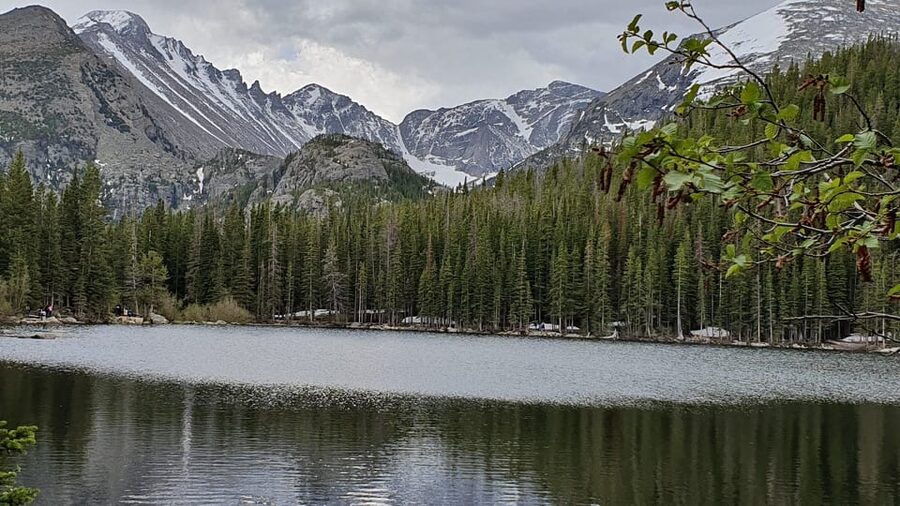
Bear Lake Corridor is photo time with a brain. What makes this tour interesting is how fast you get from stop to stop across low meadows, aspen groves, and water-side viewpoints, all geared for getting your camera in the right place. I especially like that the guide focuses on how to shoot—angles, reflections, and where to stand for a stronger shot.
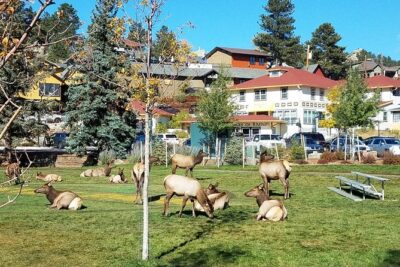
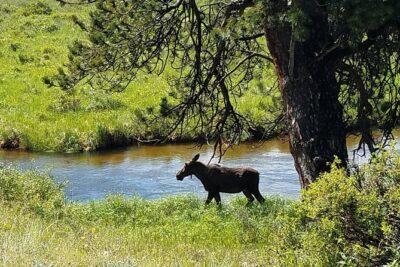
My second favorite part is the wildlife odds. On tours with guides like Sam, Craig, Julie, and Jenn, people have reported seeing moose and full elk herds, with at least one group getting an osprey fishing moment. The main drawback is that the outing isn’t built for mobility limits, so if you have difficulty walking uneven mountain terrain, you’ll want to skip this one.
In This Review
- Key things that make this tour worth your time
- Bear Lake Corridor in 3 Hours: A photo route that makes sense
- Where the guide earns their fee: photo angles, reflections, and patience
- Planning your expectations: what you might see at each stop
- Stanley Hotel area: classic-looking surroundings and viewpoint potential
- Sprague Lake: reflection-focused shots where water does the work
- Bear Lake: the corridor vibe that photographers travel for
- Moraine Park: meadow energy and wildlife chances
- Endo Valley and bonus hidden pull-offs
- Wildlife sightings: how the tour setting boosts your odds
- Timing, weather, and why your camera strategy matters
- Comfort and what to bring: shoes, water, and a sun hat
- Price and value: what $129 covers (and why the guide can save you money)
- Meeting up in Estes Park: getting there and being ready
- Who this Bear Lake Corridor Tour is best for
- Should you book this tour? A quick decision guide
- FAQ
- How long is the Estes Park Bear Lake Corridor Tour?
- What is the price per person?
- Where is the meeting point?
- Is a National Park pass included?
- Is timed entry included?
- What language is the tour guide?
- What should I bring?
- Are food and drinks included?
- Is the tour suitable for wheelchair users or limited mobility?
- Can I cancel for a full refund?
Key things that make this tour worth your time
- Photo coaching included so you’re not just driving around and hoping for the best shot
- Multiple classic stops like Sprague Lake and Bear Lake (plus possible bonus spots)
- Wildlife sightings are a real possibility, including elk and moose
- Short, efficient 3-hour loop that saves you from planning each turnout
- Bring-the-right-stuff focus (camera, hiking shoes, water, weather clothing)
Bear Lake Corridor in 3 Hours: A photo route that makes sense
This is a short tour, and that’s the point. In about three hours, you cover the stretch of Estes Park/Rocky Mountain National Park country that photographers usually chase all day on their own. You’re not trying to do everything; you’re trying to hit the best “photo geometry” with less effort.
I like the pace because it’s practical. You get time at lakes and vantage points for reflections and wide views, then you move along to meadow and river areas where wildlife may pop up. If you’re in town for only a day, this type of focused outing gives you momentum fast.
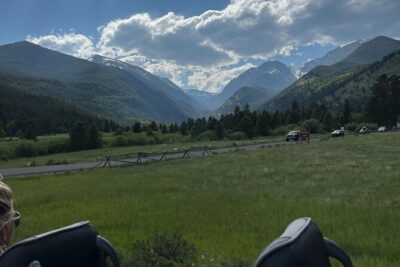
Also, the route is built around variety. You’ll pass through areas that feel different within the same half hour—open lowlands, tree-lined spaces with softer light under aspens, and water that can turn a simple scene into something cinematic. In other words, your camera gets multiple “looks,” not just one.
More of the park, gateway to the high peaks
Where the guide earns their fee: photo angles, reflections, and patience
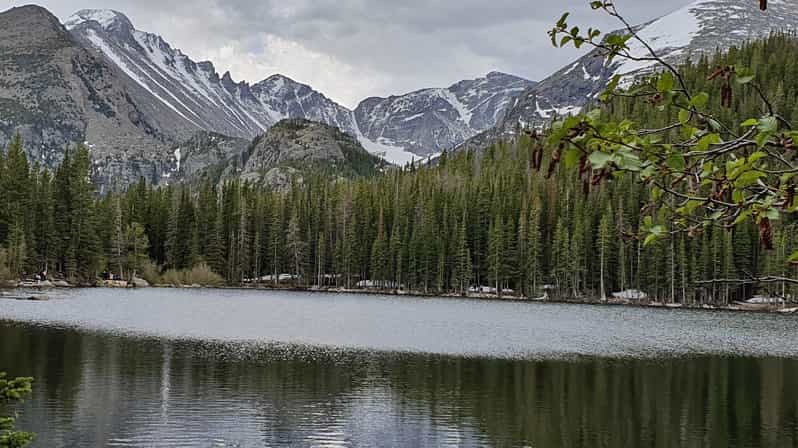
The guides are the product here, not just the places. This tour is photography-focused, and the guidance is aimed at helping you position yourself for stronger compositions. That means you’ll get help with things like how to frame a lake reflection, where to stand for fewer distractions, and when to switch lenses or settings.
What I find especially valuable is that the guide isn’t rushing you. A few guides—people named Craig, Pat, and Sam—were praised for being patient and letting the group linger to see a scene develop. That matters for photography, because the best moment often arrives after you think it should’ve already happened.
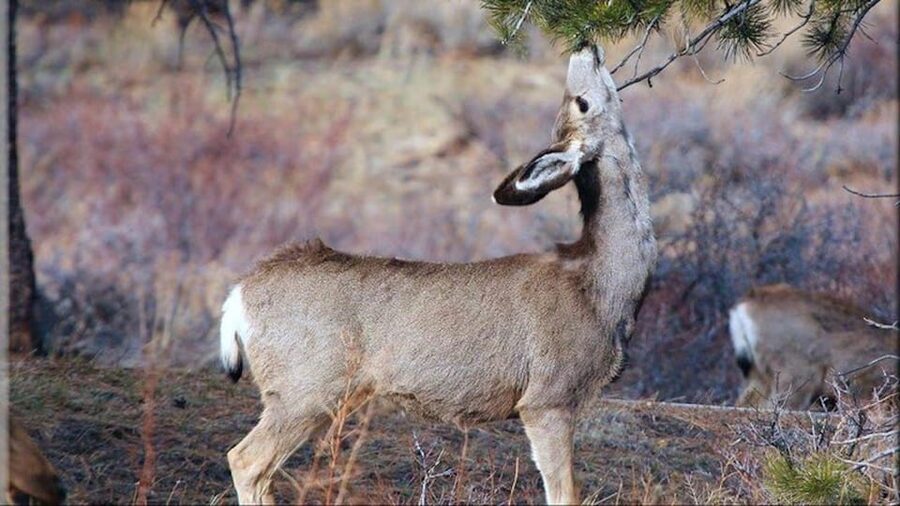
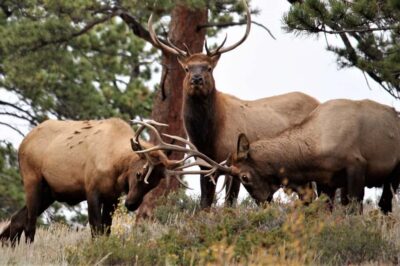
The wildlife side also benefits from a guided eye. When you’re scanning for moose or elk, you’re not just looking; you’re looking in the right direction and at the right time. People reported guides encouraging them to watch longer when animals were actively moving or interacting, like an elk bull keeping an eye on the herd.
Planning your expectations: what you might see at each stop
Your exact stops can vary, but the tour is designed around a mix of iconic and flexible photo locations. Here are the kinds of places you can expect the guide to bring you to.
Stanley Hotel area: classic-looking surroundings and viewpoint potential
One possible stop is the Stanley Hotel. Even if you’re not treating it like a history tour, it can be a strong subject for exterior shots and scenic framing. The guide’s job is to help you avoid the usual angles and get something more flattering.
Practical tip: if you’re photographing architecture, expect to spend a little time aligning lines and smoothing out the background distractions. Bring your camera strap and stay ready—this is the kind of stop where a quick reposition can make a big difference.
Sprague Lake: reflection-focused shots where water does the work
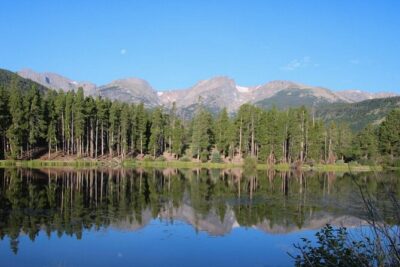
Sprague Lake is one of the places where reflections can turn an average photo into a standout. Your guide will help you position yourself so the water surface becomes part of the composition instead of just scenery.
If the wind is calm, lake reflections can be your payoff. If the wind isn’t calm, don’t panic; a good guide will shift you toward angles where the water still adds texture and depth.
Bear Lake: the corridor vibe that photographers travel for
Bear Lake is the name-brand stop for this route. Expect the area to deliver scenic views and photo opportunities that feel made for both wide shots and closer details.
This is also a good wildlife-check zone. In past tours, people have reported animal sightings in the general area, and having a guide helps you know when to stop, look, and wait instead of moving every few seconds.
Moraine Park: meadow energy and wildlife chances
Moraine Park is known for open space, which is exactly why it works for spotting animals. Meadows also tend to give you better sightlines, so your guide can help you scan without blocking each other’s views.
If you’re shooting wildlife, you’ll want to keep your expectations realistic. Sometimes you see animals clearly and close enough for satisfying photos, and sometimes you’ll only get a distant silhouette. Either way, the guide’s job is to help you make the best of what’s actually happening right then.
Endo Valley and bonus hidden pull-offs
Another possible stop is Endo Valley, plus the tour may include other lesser-expected locations. These are the spots where a guide’s instincts matter—finding angles that feel less crowded or more “you can’t get this from the roadside” level.
I like that the tour isn’t a rigid checklist. It’s flexible enough to respond to light and what’s visible in the moment.
Wildlife sightings: how the tour setting boosts your odds
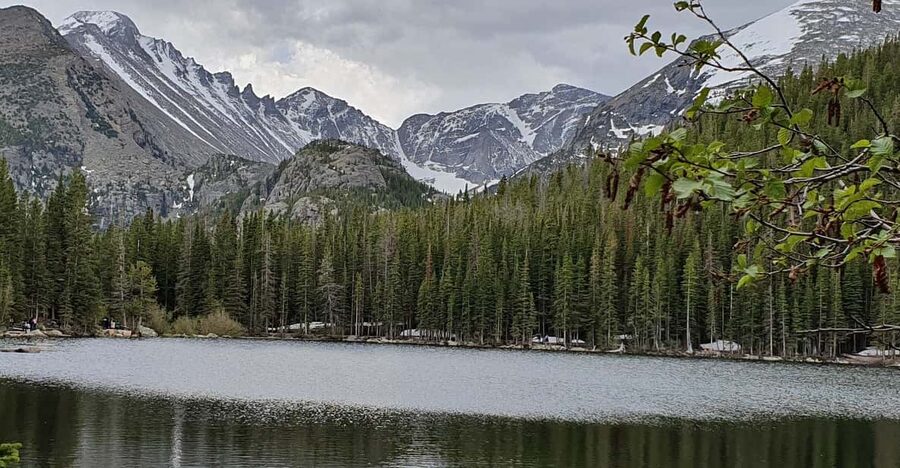
This tour is set up for seeing wildlife, not just taking photos. You move through lowland meadows, aspen groves, and alongside water, which are the kind of habitats where animals sometimes show up.
Based on guide performance in past outings, you should be ready for moments like:
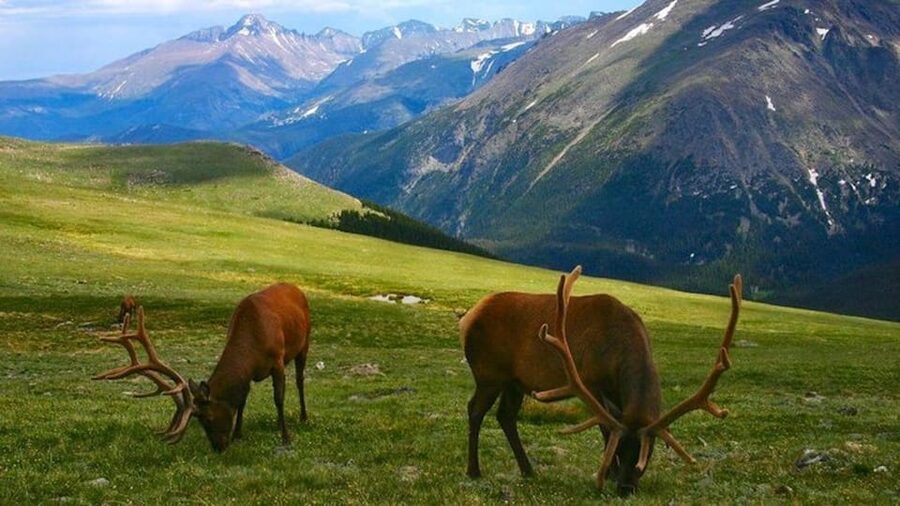
- Elk sightings, including a full herd and active bull behavior
- Moose sightings, sometimes multiple in a single outing
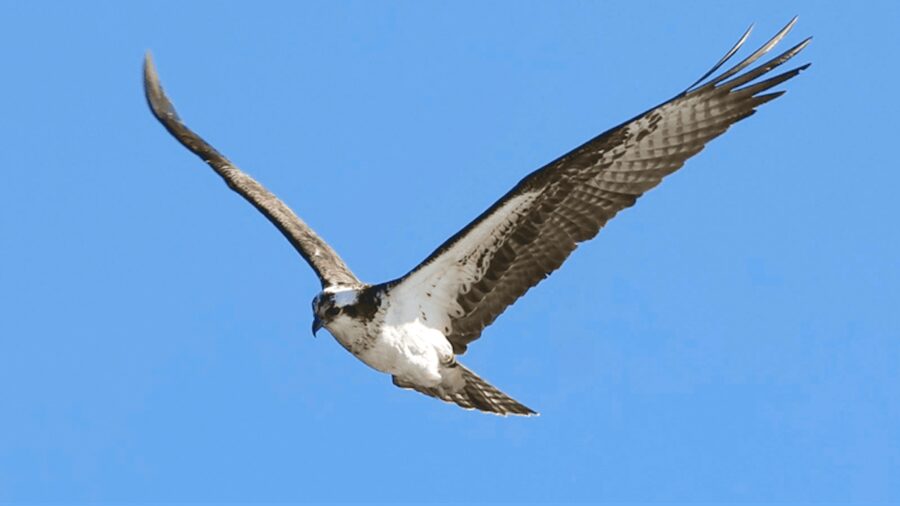
- Bird action near water, such as an osprey fishing
A key mindset shift helps. Instead of trying to capture everything, you’ll get better results if you wait for behavior. When an animal is feeding, turning, or stepping into better light, your framing becomes easier and your photos feel more alive.
And don’t underestimate the “watch for a while” approach. Several guides were described as happy to let the group stay and observe when animals were in view. That patience often turns a quick glance into a sequence you can actually choose from later.
Timing, weather, and why your camera strategy matters
Weather can change how your photos look, fast. One tour experience noted that weather didn’t cooperate, yet the guide still managed to produce spectacular scenes and adapt to what was possible. That’s a real value: you’re not stuck with a bad plan.
Here’s how I’d plan your shooting strategy. If it’s bright, prioritize contrast—dark tree edges against bright water. If it’s overcast, lean into softer light and reflections that are less harsh and more even. If clouds roll in, don’t pack up; a lake or meadow can still give you clean silhouettes and layered depth.
You’ll also want to dress like conditions can swing. Bring weather-appropriate clothing, even if the morning looks fine. Mountain weather changes quickly, and your comfort directly affects whether you’re willing to stand still long enough for the shot.
Comfort and what to bring: shoes, water, and a sun hat
This is a walking-and-standing photo experience more than a sit-and-snap ride. You should wear hiking shoes, because mountain surfaces can be uneven and you’ll likely spend time stepping into the best viewing spots.
Bring a sun hat and water. Even in cooler months, walking and waiting for wildlife can add up. If you forget water, you’ll feel it before the tour is over, especially during stops where you’ll want to linger.
Your camera matters, of course, but also think about accessories. If you use a tripod or lens hood, you’ll know what helps you avoid distractions from wind and glare. Since the tour is about reflections and angles, glare control is part of the job.
One more important note: this tour isn’t suitable for people with mobility impairments and wheelchair users. If walking distance or uneven footing is a challenge for you, plan a different kind of visit to the park.
Price and value: what $129 covers (and why the guide can save you money)
At $129 per person for a 3-hour tour, the price feels reasonable when you look at what’s included. You get the National Park pass/entrance fees and the National Park timed entry built into the outing.
That’s not just paperwork convenience. It reduces the friction of planning your day, especially if you’re trying to hit timed-entry requirements without scrambling at the last minute. You also get guide support for photo location decisions, which can save you time and gas if you were going to do the route yourself.
What’s not included is food and drinks. I’d treat this as a short outing where your hydration matters, but you’ll need to handle meals separately. If you’re doing an early start, pack a simple snack you can eat before you meet, then use water during the tour.
In plain terms: you’re paying for guided direction plus included park access. If you love photography and want better odds of wildlife and reflection shots, the math usually works.
Meeting up in Estes Park: getting there and being ready
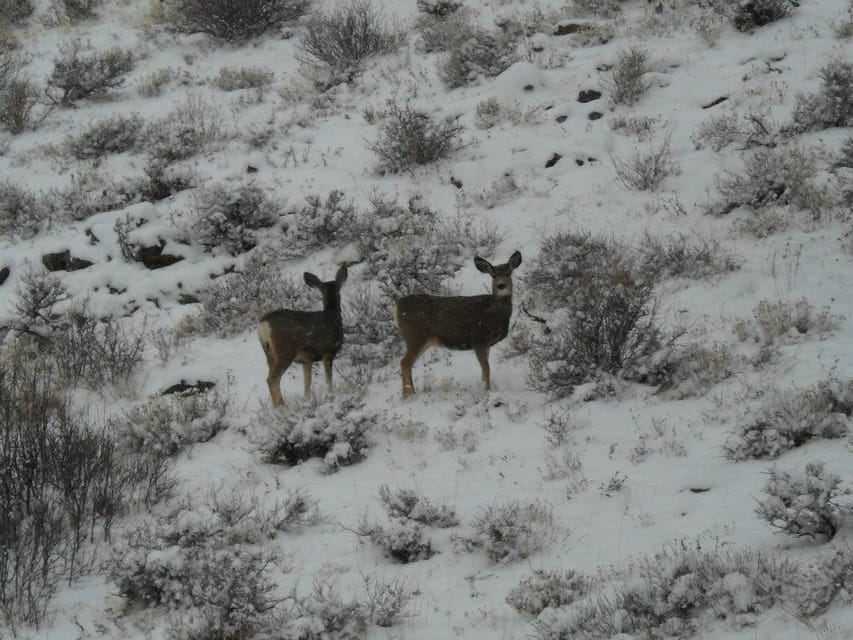
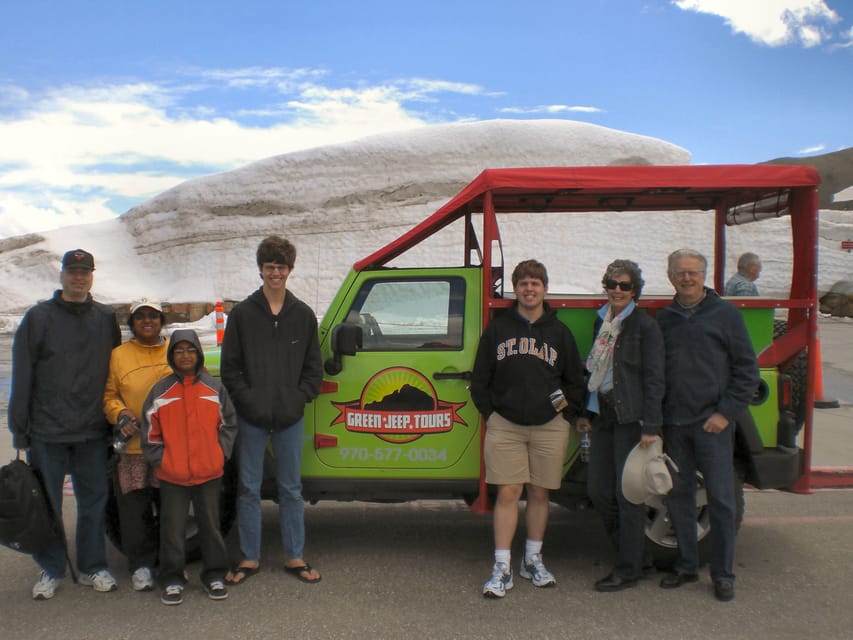
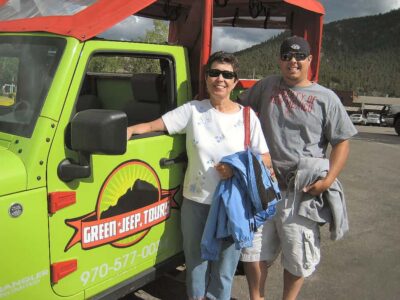
Your meeting point is the Green Jeep tours office. Plan to arrive early enough to feel calm before you start driving or walking into photo areas.
One small but real tip: parking can be a hassle near busy times, so arriving with buffer time helps you avoid rushing at the exact moment your tour begins. That extra time can also give you a chance to double-check your camera settings, battery, and how you’re dressed.
Once you’re with the group, follow the guide’s lead on where to position yourself. For photography, a good guide will constantly optimize the group’s placement so nobody’s blocking views and nobody’s standing in the wrong light.
Who this Bear Lake Corridor Tour is best for
This tour fits you if:
- you want a photo-focused outing, not just a sightseeing drive
- you like the idea of someone helping with angles and reflections
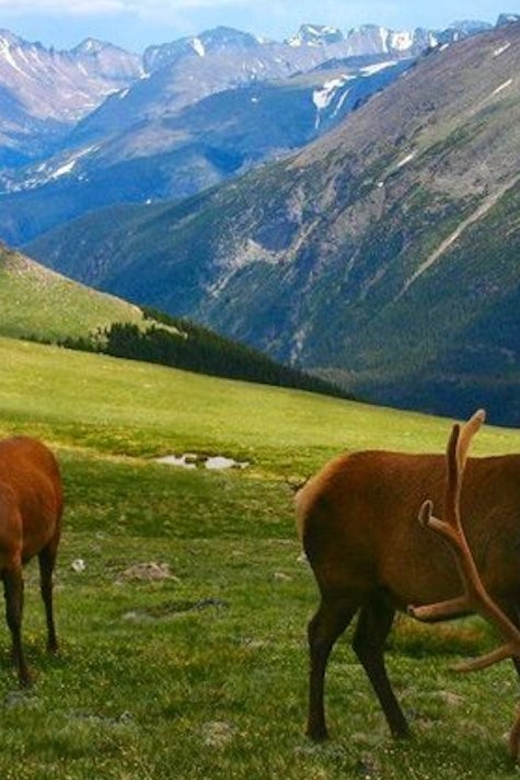
- you want a realistic shot at seeing wildlife like elk and moose
- you have limited time in the area and want an efficient route
It’s also ideal if you’re newer to park photography and don’t want to waste a day guessing. The guide’s patience and feedback can help you get more consistent results without becoming a full-time photography hobbyist.
If you’re traveling with folks who don’t care about wildlife or cameras, it may feel a little too “photo mission” for them. But many people do enjoy the wildlife surprises even when they start the tour for the pictures.
Should you book this tour? A quick decision guide
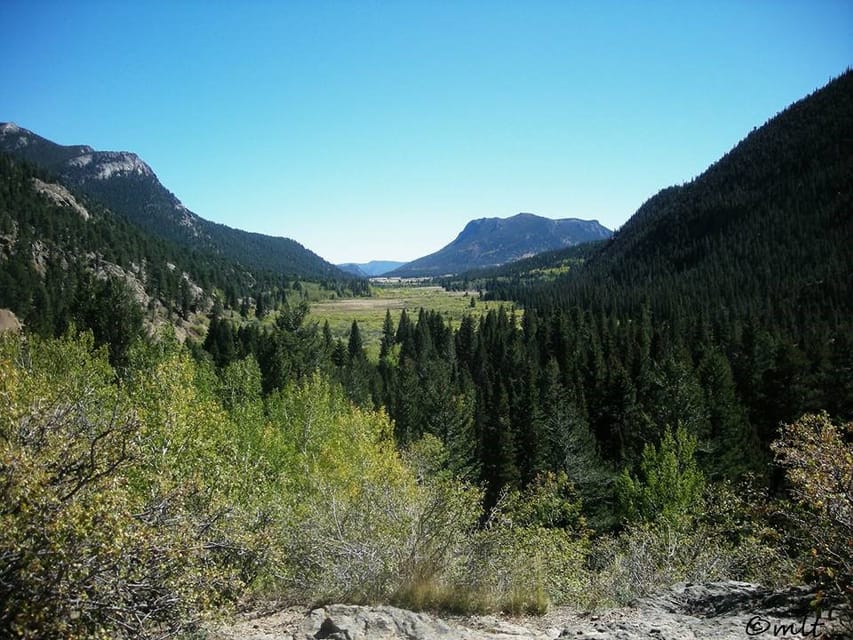
Book it if you want a structured, photo-minded way to experience the Bear Lake corridor with guidance that changes your photos. The combination of included park access and a photo coaching approach makes the $129 price feel more like value than just cost.
Skip it if you need a fully accessible experience, since it’s not suited for wheelchair users or mobility impairments. Also skip if you prefer total freedom with no guidance—this tour works best when you’re happy to follow a plan and stop for the moment.
If you’re on the fence, here’s my take: if your goal is to come home with better shots and you don’t want to spend hours researching pull-offs, this is a smart way to buy time and confidence.
FAQ
How long is the Estes Park Bear Lake Corridor Tour?
The tour lasts 3 hours.
What is the price per person?
The price is $129 per person.
Where is the meeting point?
You’ll meet at the Green Jeep tours office.
Is a National Park pass included?
Yes. The tour includes the National Park pass/entrance fees.
Is timed entry included?
Yes. National Park timed entry is included.
What language is the tour guide?
The live tour guide speaks English.
What should I bring?
Bring a sun hat, camera, hiking shoes, water, and weather-appropriate clothing.
Are food and drinks included?
No. Food and drinks are not included.
Is the tour suitable for wheelchair users or limited mobility?
No. It is not suitable for people with mobility impairments and wheelchair users.
Can I cancel for a full refund?
Yes. You can cancel up to 24 hours in advance for a full refund.
More Tours in Estes Park
- The Rocky Mountain National Park Safari Tour★ 5.0 · 366 reviews
- Retractable Glass Top Tour in Rocky Mountain National Park★ 5.0 · 357 reviews
- Top of the World Tour (Wildside 4×4 Tours)★ 5.0 · 286 reviews
- Estes Park: Rocky Mountain National Park Glass-Top Bus Tour★ 5.0 · 266 reviews
- Estes Park: Rocky Mountain National Park Safari Tour★ 4.8 · 264 reviews
More Tour Reviews in Estes Park
- The Rocky Mountain National Park Safari Tour★ 5.0 · 366 reviews
- Retractable Glass Top Tour in Rocky Mountain National Park★ 5.0 · 357 reviews
- Top of the World Tour (Wildside 4×4 Tours)★ 5.0 · 286 reviews
- Estes Park: Rocky Mountain National Park Glass-Top Bus Tour★ 5.0 · 266 reviews
- Estes Park: Rocky Mountain National Park Safari Tour★ 4.8 · 264 reviews
More Ways Into the Park
- The Rocky Mountain National Park Safari Tour★ 5.0 · 366 reviews
- Retractable Glass Top Tour in Rocky Mountain National Park★ 5.0 · 357 reviews
- Estes Park: Rocky Mountain National Park Glass-Top Bus Tour★ 5.0 · 266 reviews
- Estes Park: Rocky Mountain National Park Safari Tour★ 4.8 · 264 reviews
- Private and Personalized Three Hour Morning Tour of Rocky Mountain National Park★ 5.0 · 157 reviews
Just Added: Fresh Denver Reviews
- Rocky Mountain National Park Self-Guided Audio Tour
★ 3.5 · 3 reviews - Rutting Around Elk Viewing Tour
★ 5.0 · 3 reviews - 4 passenger UTV ride on mountain trail in Estes Park
★ 5.0 · 3 reviews - Half-Day RMNP Mountains to Sky Tour-RMNPhotographer
★ 5.0 · 3 reviews - Create Your Own Winter Snow Globe in Estes Park
★ 5.0 · 4 reviews - A Rutin’ Good Time; Elk Tour in Rocky Mountain National Park
★ 4.0 · 4 reviews
Rocky Mountain National Park Tours, compared.
 ★ 5.0Discover Rocky Mountain National ParkFrom $1993,419 reviews
 ★ 5.0Rocky Mountain National Park in Summer Tour from DenverFrom $169696 reviews
 ★ 5.0Rocky Mountain National Park and Estes Park Tour from Denver Winter and SpringFrom $149511 reviews
 ★ 5.0The Rocky Mountain National Park Safari TourFrom $119366 reviews
 ★ 5.0Retractable Glass Top Tour in Rocky Mountain National ParkFrom $107357 reviews
 ★ 5.0Estes Park: Rocky Mountain National Park Glass-Top Bus TourFrom $156266 reviews
 ★ 4.8Estes Park: Rocky Mountain National Park Safari TourFrom $130264 reviews
 ★ 4.8From Denver: Rocky Mountain National Park Day Trip and LunchFrom $190264 reviews
Browse the lists this tour appears in