
Reviewed · DENVER ATTRACTION TICKETS
Denver: Museum of Illusions Entry Ticket
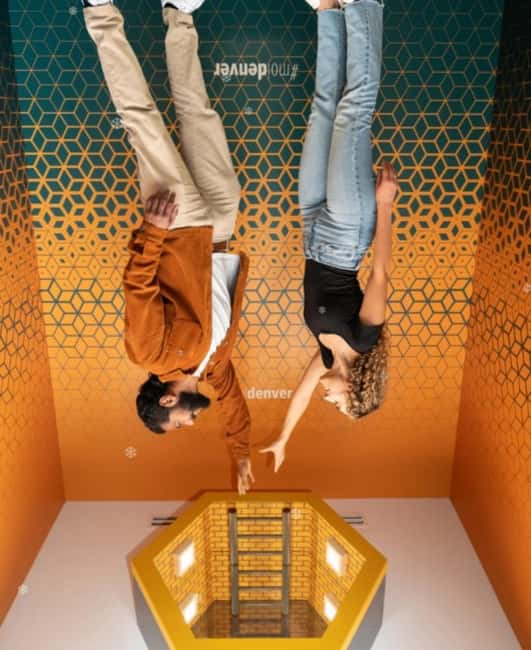
Your brain gets tricked in the best way. Museum of Illusions Denver is a fun, sensory lesson wrapped in playful optical science, with highlights like the vortex tunnel and a life-size kaleidoscope you can step into. The trade-off: at $30 a ticket, the museum can feel short if you move fast or if it’s crowded.
I like that it’s built for quick stops without feeling “touristy.” It’s right on the 16th Street Mall in downtown Denver, so you can pair it with food, parking, hotels, and easy transit, and you’ll have a full day to use your ticket. It’s also wheelchair accessible, so you’re not guessing about access.
In This Review
- Key things to know before you go
- Museum of Illusions Denver: the quick pitch
- Finding the museum on 16th Street Mall (and why it matters)
- What your ticket actually gives you
- How the exhibits are set up: hands-on visual science
- Start with the wow-factor rooms (so you don’t burn your energy)
- The vortex tunnel: why it hits hard
- Illusion rooms and gravity tricks: the fun kind of physics
- Holograms: visual tricks that feel more modern than you’d expect
- The life-size kaleidoscope: when your camera becomes part of the exhibit
- Pace matters: how to avoid feeling rushed or disappointed
- When it gets crowded: the practical way to handle it
- Staff help: who makes the experience easier
- Price vs. value: is $30 a fair deal?
- Who this is best for (and who might skip it)
- Simple one-day plan if you’re pairing it downtown
- FAQ
- How much is the entry ticket for Museum of Illusions Denver?
- How long is the ticket valid?
- Where is the museum located, and where is the entrance?
- How many exhibits are inside?
- Is Museum of Illusions Denver wheelchair accessible?
- Is the ticket refundable if plans change?
- Do I need to enter at a specific starting time?
- Should you book Museum of Illusions Denver?
Key things to know before you go

- Vortex tunnel is the kind of illusion that makes you slow down and look again
- Step-in kaleidoscope turns a photo into the actual illusion, not just a backdrop
- 50+ interactive exhibits means you can pick your favorites and linger where you get hooked
- Illusion rooms, installations, and holograms cover more than one style of “wait, what?”
- Defy-gravity and body-scaling effects give you big sensory moments that feel different from flat displays
Museum of Illusions Denver: the quick pitch

If you want an indoor activity that’s equal parts science and comedy, this is it. Museum of Illusions Denver is designed to challenge how your brain reads reality using hands-on visual tricks.
The best part is that you don’t need a background in optics. You just need curiosity, a little patience, and the willingness to be wrong on purpose.
More passes worth booking
Finding the museum on 16th Street Mall (and why it matters)
The museum sits at 951 16th St. Mall, with building access at the corner of 16th St and Curtis. Being downtown is a real advantage here. You can build this into a day without long drives or complicated transfers.
You’ll also find the usual downtown helpers nearby: lots of restaurants, hotels, transportation options, and parking. That matters because a museum like this can work best as a “middle-of-the-day reset” when you don’t want to commit to a half-day tour.
What your ticket actually gives you

Your entry ticket is good for one day, and you’ll see available starting times when you check availability. That’s helpful if you’re planning around a meal, parking, or a daytime schedule with kids.
One thing to keep in mind: this is non-refundable. If your plans might change, make sure you’re confident about your day before buying.
How the exhibits are set up: hands-on visual science
This museum is built around a simple idea: optical illusions aren’t random. They happen because your brain makes fast guesses about light, motion, distance, and shape.
Expect over 50 immersive, hands-on exhibits that use things like illusion rooms, installations, and holograms. Some of the moments are big and cinematic. Others are smaller, like a puzzle your body has to “solve” with your eyes.
I like this format because you can control your pace. If one station grabs you, you can stay. If another doesn’t land, you can move on without feeling like you’re “behind” on a scripted tour.
Start with the wow-factor rooms (so you don’t burn your energy)
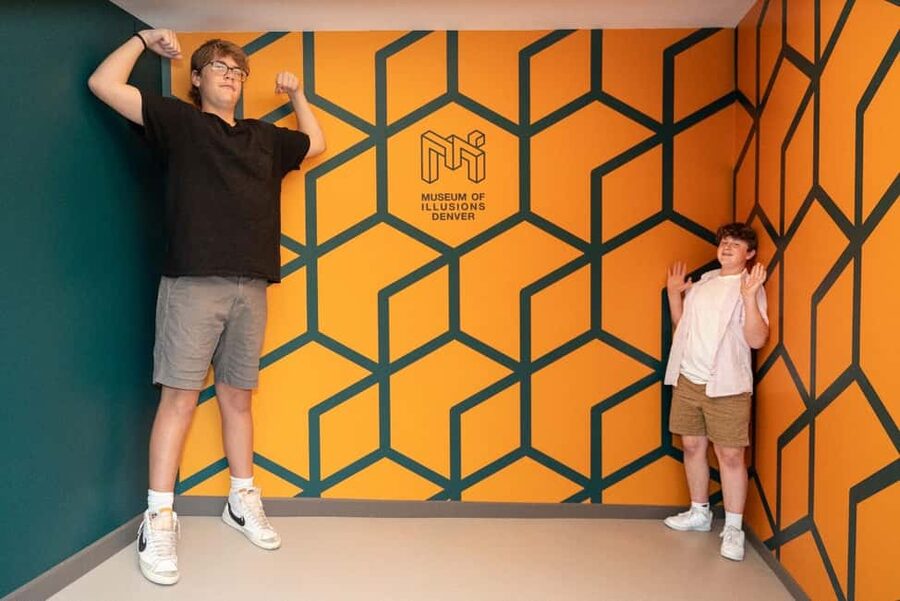
If you want the most fun per minute, begin with the highest-energy illusions early. That way, you’re fresh for the rooms that make you physically react: stepping in, moving around, and trying the effect from different angles.
The museum’s design includes several “body-in-the-illusion” setups—things like defying gravity tricks and scale illusions where you can experience the feeling of growing and shrinking. Those work best when you’re ready to participate, not when you’re tired from walking around downtown first.
Also, the biggest illusions tend to attract attention. If it’s busy, earlier entry usually means less waiting and less crowding around the best photo spots.
The vortex tunnel: why it hits hard
The vortex tunnel is the kind of exhibit that makes people pause and laugh, then try again. The effect is about motion and perception, and it can feel more intense than you expect because you’re inside the setup.
It’s also a great “anchor moment” for the whole visit. Once you’ve done it, the rest of the exhibits click into place as part of the same theme: your brain filling in gaps, predicting what should happen, and getting surprised when the visuals disagree.
If you only plan to do a few things, don’t leave this one for last. It’s the exhibit most likely to make you feel like you got your money’s worth.
More indoor hours worth the time



Illusion rooms and gravity tricks: the fun kind of physics
The museum uses illusion rooms and installations to make you test what you think you know about motion, scale, and space. You’ll see effects that make it seem like gravity isn’t behaving normally, plus hands-on setups that make your body feel stretched or compressed.
What’s valuable here is the learning without the lecture. You’re not reading about how your brain estimates depth and movement—you’re watching the estimate break.
If you’re with kids, these sections tend to be a win because they’re interactive by nature. If you’re with adults, the fun is in realizing how quickly your mind commits to an answer.
Holograms: visual tricks that feel more modern than you’d expect
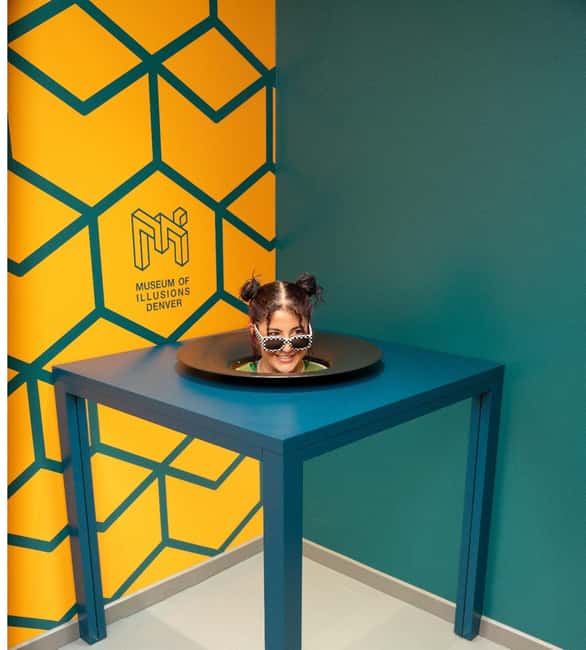
Holograms show up in the museum’s mix of illusion rooms, installations, and holograms, and they add a different flavor. Instead of only relying on your body moving through a space, hologram-based exhibits push your eyes to interpret layered visuals.
This is a good section to hit when you want something slightly less physical and more optical. It also helps break the visit into chunks so you don’t get illusion-fatigue.
The life-size kaleidoscope: when your camera becomes part of the exhibit
One of the most memorable experiences is stepping into a life-size kaleidoscope. It’s exactly the kind of place where photos aren’t just souvenirs—they’re part of the illusion.
You’ll likely want to do a few test poses from different spots. The point isn’t to “get the perfect shot.” It’s to see how the pattern responds to your position and the way you move.
If you’re visiting as a group, this is where coordination pays off. Assign one person to hold the camera steady while others try different angles. It keeps the energy high and turns waiting time into shared laughs.
Pace matters: how to avoid feeling rushed or disappointed
One of the biggest risks at a museum like this is that it can be over quickly if you only glance at exhibits. Some people experience it as short, especially if they move straight from station to station without pausing to try the effect more than once.
To stretch it meaningfully, slow down just a little:
- Spend extra seconds confirming what your eyes tell you
- Try the same exhibit from a slightly different position
- Let the staff explain what’s happening when something feels confusing
That last point is underrated. At busy times, you can get stuck figuring things out alone. When staff are available, asking a quick question can turn a confusing setup into a satisfying payoff.
When it gets crowded: the practical way to handle it
If you hit a peak period, you should expect some crowding around popular exhibits. Even with timed starting slots, entries can still feel busy at the door, which can make it harder to enjoy every station at full pace.
Don’t panic about that. Just plan your priorities:
- Do your top picks first
- Accept short waits as part of the experience
- Keep moving so you’re never stuck watching the same crowd cycle endlessly
A good strategy is to do the high-energy rooms early, then shift to holograms and smaller interactive exhibits if the biggest spaces are packed.
Staff help: who makes the experience easier
The museum’s team is a big factor in how smooth things feel. On quieter days, staff tend to be more available for quick guidance, and that makes a difference with exhibits that require you to understand the setup to get the full effect.
One notable nod was for a staff member named Glenn, praised for being excellent. If you see staff engaging visitors and offering explanations, lean in. It often improves your enjoyment more than any “hack” you can read online.
Price vs. value: is $30 a fair deal?
At $30 per person, this isn’t a budget impulse buy. The value comes down to how you like to experience museums.
If you enjoy playful, hands-on exhibits—especially ones that make you interact with your environment—then the ticket can feel reasonable. You’re getting 50+ stations plus repeatable moments like the vortex tunnel and the kaleidoscope, where returning to the view still feels fun.
If you expect a long, deep walk-through, it might feel pricey. A small museum can feel short, especially if crowds limit time at each station. The smart move is to plan your mindset: think of this as a fast, high-impact activity, not a half-day “complete immersion” experience.
Who this is best for (and who might skip it)
This is a strong pick for:
- Families with kids who like interactive science and visual surprises
- Friend groups who want something playful and shareable
- Date nights where you can talk while you experience the illusions
- People who like hands-on attractions in central downtown locations
It may be less satisfying if:
- You only like museums with quiet galleries and lots of reading
- You expect a very long visit with guided pacing
- You’re price-sensitive and only want a quick glance at exhibits
Simple one-day plan if you’re pairing it downtown
Because it sits right on 16th Street Mall, I’d treat it like a centerpiece stop in a downtown loop. You can combine it with lunch nearby, then do the museum while you’re already in the area.
A practical flow:
- Start early enough to beat the busiest crowd (if you can)
- Hit the vortex tunnel and kaleidoscope while energy is high
- Work through the gravity and scale illusions
- Finish with holograms and smaller interactive stations
This keeps the experience feeling full, even if the museum itself is compact.
FAQ
How much is the entry ticket for Museum of Illusions Denver?
The entry ticket price is $30 per person.
How long is the ticket valid?
The ticket is valid for 1 day.
Where is the museum located, and where is the entrance?
The museum is at 951 16th St. Mall, with access on the corner of 16th St. and Curtis.
How many exhibits are inside?
You can explore 50+ interactive exhibits, including illusion rooms, installations, and holograms.
Is Museum of Illusions Denver wheelchair accessible?
Yes, the museum is wheelchair accessible.
Is the ticket refundable if plans change?
No. The activity is non-refundable.
Do I need to enter at a specific starting time?
You’ll see starting times available when you check availability. Your ticket is valid for 1 day.
Should you book Museum of Illusions Denver?
Book it if you want a short, high-energy, hands-on experience in downtown Denver, and you like the idea of learning how perception can be tricked—without needing explanations on paper. Prioritize it if your group will actually step into the illusions and play with the visuals, because the standout moments are the ones you physically enter and interact with.
Consider skipping (or adjusting expectations) if you’re hunting for a long, detailed museum visit. With a $30 ticket, you’ll enjoy it most when you treat it as a compact science playground: quick, fun, and designed to make your brain question what you see.
Indoors Done Well: Denver
- Denver: Molly Brown House Museum Self-Guided Tour & Entry★ 4.8 · 108 reviews
- Denver: Museum of Nature and Science Entry Ticket★ 4.7 · 43 reviews
- Private Tour: Denver’s Wild History Tour & Ballpark Museum★ 5.0 · 10 reviews
More Tour Reviews in Denver
- Discover Rocky Mountain National Park★ 5.0 · 3,419 reviews
- Small Group Tour of Pikes Peak and the Garden of the Gods from Denver★ 5.0 · 3,079 reviews
- Rocky Mountain Escape★ 5.0 · 1,977 reviews
- Downtown Denver Food Tour★ 5.0 · 1,751 reviews
- Red Rocks & Beyond★ 5.0 · 1,583 reviews
More Denver Passes
- BEYOND Light Show & Meditation★ 5.0 · 984 reviews
- General Admission to Denver Botanic Gardens Ticket★ 4.5 · 312 reviews
- Denver: Meow Wolf Convergence Station Ticket★ 4.2 · 212 reviews
- Denver: Downtown Aquarium All-Day Pass★ 4.6 · 167 reviews
- Meow Wolf’s Convergence Station in Denver★ 4.0 · 162 reviews
Just Added: Fresh Denver Reviews
- Winter fun-Private transportation to Ski, snowmobiling, and dog sledding areas.
★ 5.0 · 3 reviews - Vintner’s Personalized Wine Tasting Experience
★ 4.5 · 3 reviews - Private Jeep Tour to Red Rocks, Dinosaur Ridge, Lookout Mountain
★ 4.5 · 3 reviews - Denver Int’l Airport (DEN) to Aspen Luxury Private SUV
★ 3.5 · 3 reviews - Private Car Service from Denver Int’l Airport (DEN) to Aspen or Snowmass
★ 5.0 · 3 reviews - Breckenridge & Continental Divide – Private Tour
★ 5.0 · 3 reviews
Denver Attraction Tickets, compared.
 ★ 5.0BEYOND Light Show & MeditationFrom $25984 reviews
 ★ 4.5General Admission to Denver Botanic Gardens TicketFrom $16312 reviews
 ★ 4.2Meow Wolf Convergence Station TicketFrom $36212 reviews
 ★ 4.6Downtown Aquarium All-Day PassFrom $27167 reviews
 ★ 4.0Meow Wolf’s Convergence Station in DenverFrom $36162 reviews
 ★ 4.7CityPASS® with Access to 3, 4 or 5 AttractionsFrom $52151 reviews
 ★ 4.8Molly Brown House Museum Self-Guided Tour & EntryFrom $15108 reviews
 ★ 4.5BEYOND Light Show and MeditationFrom $25102 reviews
Browse the lists this tour appears in