
Reviewed · DENVER ATTRACTION TICKETS
Denver: Daniels & Fisher Clock Tower and View Deck Admission
Denver’s clock tower is surprisingly fun. The Daniels & Fisher Clock Tower turns a short visit into great city views and a close look at the 10-foot clock faces. You’ll also get a self-guided route that works at your pace, but there’s one catch: the elevator only goes to the 17th floor, and the 18th floor is stairs only.
I love that this isn’t just a viewpoint. The building itself tells a story, from its completion in 1911 to its long run as Denver’s tallest landmark until 1957. In about 30 minutes, you can take in the panorama, spot Denver landmarks from above, and still feel you learned something real. The main downside is simple planning: wear comfortable shoes, because you’ll be climbing stairs on some parts of the route.
In This Review
- Key things to know before you go
- Daniels & Fisher Tower: Denver’s first skyscraper, built for attention
- Clock faces up close: the 10-foot numbers and how to see them properly
- Elevators to the 17th floor, stairs to the 21st: plan your route for comfort
- The 17th-floor observation deck: get your bearings fast
- The 21st-floor observation deck: the higher angle you’ll actually notice
- Self-guided in 30 minutes: how to make the most of every stop
- What you learn beyond the view: 1911 to 1957 and the department store link
- Practical tips that make a real difference
- Price and value: is $16 worth it?
- Who should book this Daniels & Fisher clock tower admission?
- Should you book the Daniels & Fisher Clock Tower and View Deck?
- FAQ
- How long does the Daniels & Fisher Clock Tower admission take?
- What’s included with the $16 admission?
- Is the tour self-guided?
- What view decks are included?
- Can I reach the higher floors by elevator?
- Is the 18th floor accessible by elevator?
- Is this admission wheelchair accessible?
- What should I bring?
- What are the cancellation rules?
- What language is offered?
Key things to know before you go
- Panoramic sightlines from the 17th-floor observation deck toward downtown and the Rocky Mountains
- 10-foot clock faces with the chance to view the mechanisms from behind
- A short, self-guided flow that fits in about 30 minutes without a long sit-down tour
- Stairs after the 17th floor means you’ll need decent mobility for the higher stop
- Two view decks at the 17th and the 21st floors for different angles of Denver
Daniels & Fisher Tower: Denver’s first skyscraper, built for attention
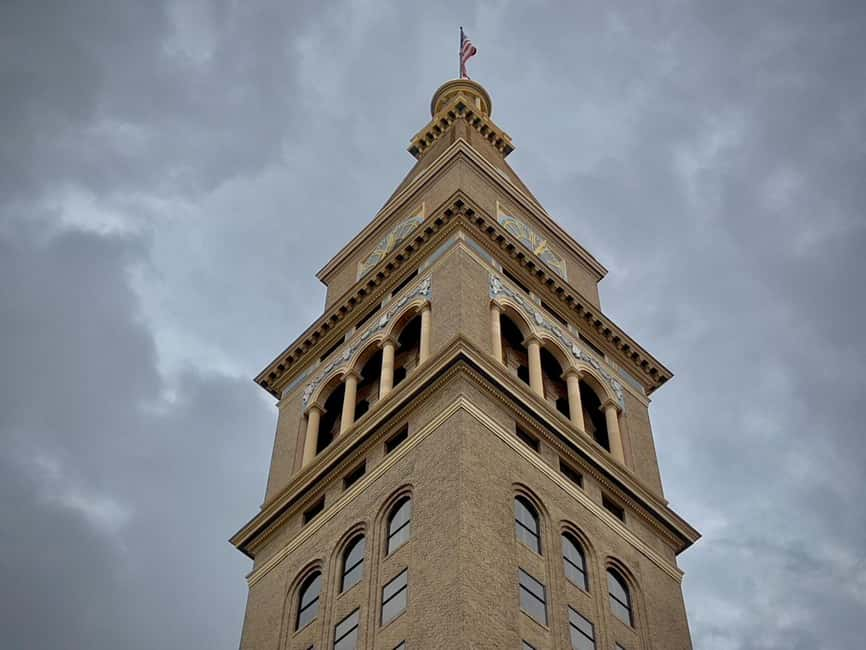
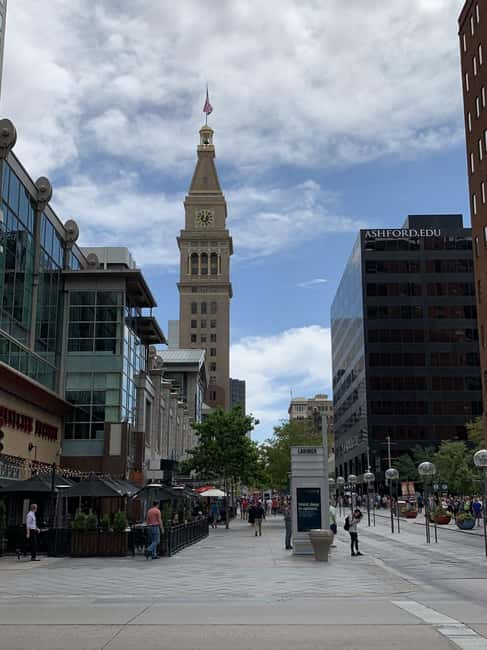
The Daniels & Fisher Tower (often treated like Denver’s big architectural “hello”) was completed in 1911 and is widely described as Denver’s first skyscraper. It rises to about 375 feet, and it was originally the final piece of the Daniels and Fisher Department Store. That matters, because you’re not just looking at a standalone monument. You’re seeing a building that was part of the city’s commercial life, built to be seen.
For nearly half a century, it held the title of Denver’s tallest building, until 1957. When you’re up inside, that early-20th-century ambition feels more tangible. The tower’s clock and height weren’t just decoration; they were a way of claiming space in the skyline. And yes, the tower’s 10-foot clock faces have become a symbol for a reason.
If you like places where you can connect the skyline to a real human story, this works well. You get a structured route that leads you from the iconic exterior identity into the building’s interior details and viewpoints. It’s not a museum that weighs you down. It’s more like a guided walk that you control.
More passes worth booking
Clock faces up close: the 10-foot numbers and how to see them properly
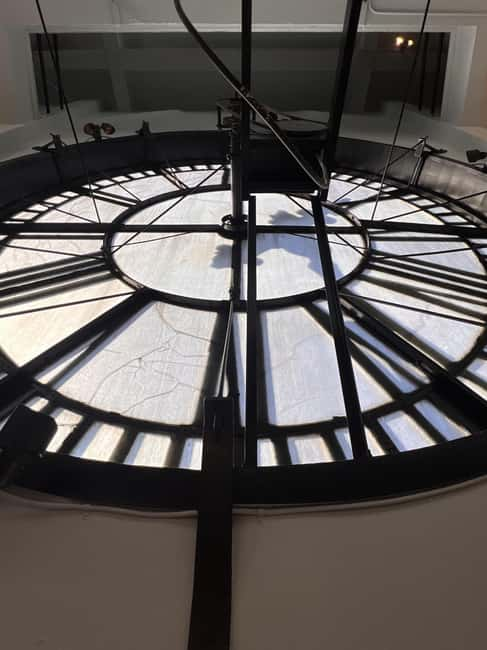
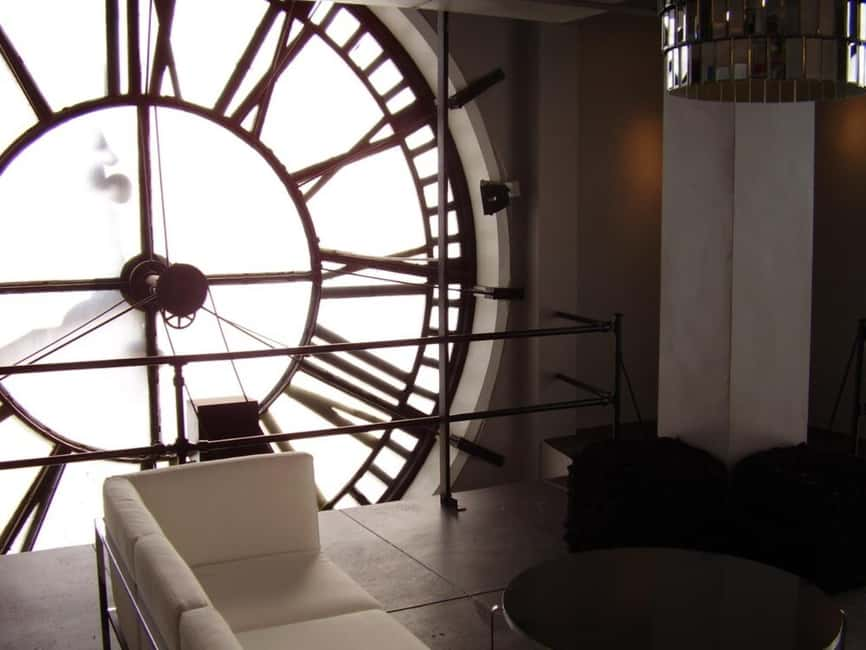
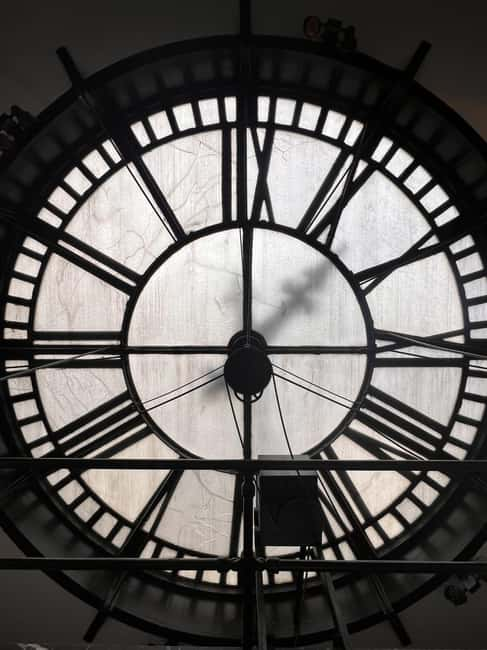
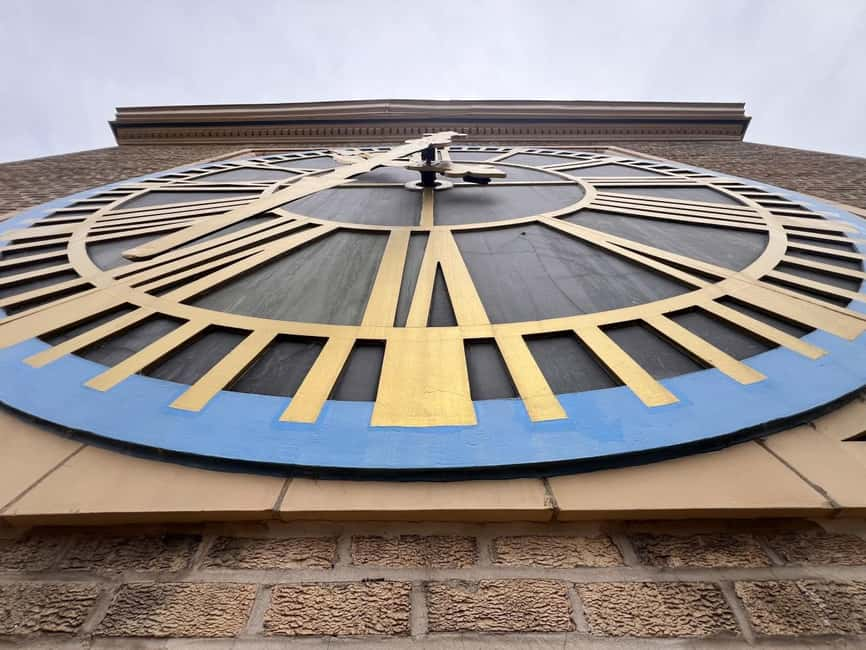
This is one of the best parts. The tower’s clock faces are huge—10 feet—and the experience is built around that scale. From your vantage inside, you get the chance to view the clock work from the other side, close up enough to appreciate how the mechanism relates to the face.
What I like about this detail is that it’s not just a photo opportunity. When you can see the clock components relative to the face, the tower stops being a flat landmark and becomes a working object. Even if you’re not a mechanical-gear person, it’s satisfying to understand what you’re looking at.
Practical tip: don’t rush this stop. Take a minute to look, step slightly to compare angles, and then take photos once you find your cleanest perspective. The clock views also help you orient yourself in the tower, so later when you’re upstairs on the decks, you’ll feel like you’re moving through the building with purpose.
Elevators to the 17th floor, stairs to the 21st: plan your route for comfort
The logistics are straightforward, but they’re worth understanding up front. Elevator access is available up to the 17th floor. After that, the route includes an 18th-floor stop that’s only accessible by stairs.
That means if stairs are a concern, you should treat this as a “depends on your mobility” experience rather than an easy, fully elevator-only loop. The good news is you can still enjoy the core viewpoints from the 17th-floor observation deck. If you want the higher perspective, you’ll need to be comfortable climbing.
You’ll also appreciate having comfortable shoes. The visit is only about 30 minutes, but it’s active. You’re going up, around, and then using viewpoints and stair access to reach the higher deck. Bring water, too; it keeps you from feeling rushed when you’re deciding where to pause for photos.
If you’re wheelchair using elevator access, you can reach up to the 17th floor as part of the tour. Just know that the 18th floor is stair-only within the route.
The 17th-floor observation deck: get your bearings fast
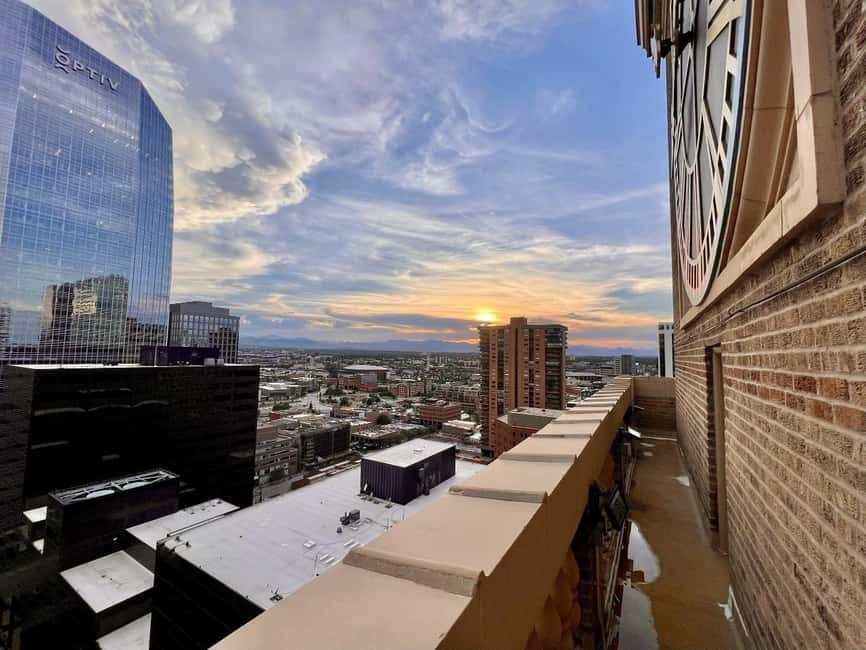
The 17th-floor observation deck is where you start building your mental map of Denver. You get panoramic views of the city and the Rocky Mountains in the distance. This is the deck that gives you the “oh, that’s the shape of the city” moment.
I like using this deck as your first major photo stop because it helps you understand scale. From this height, downtown reads differently. Streets look arranged rather than random. And the mountain line in the distance gives you a strong sense of how Denver sits between urban sprawl and big sky.
The deck access is included, so this isn’t a pay-extra bonus. It’s the centerpiece most people should aim for first. If the weather is clear, this is where you’ll feel the reward for the climb. If it’s hazy or cloudy, you’ll still get good orientation, and you may appreciate how Denver’s skyline layers rather than just one “front view.”
The 21st-floor observation deck: the higher angle you’ll actually notice
The route also includes access to the 21st Floor observation deck. This is the level where you tend to notice the “top-down” effect. You can better separate rooflines, spot the way neighborhoods spread, and see how the city’s major features align.
If you’re the type who loves comparing views—like, why does this side look different from the other—this extra deck does something valuable. It gives you another chance to frame Denver, and it turns the visit from a one-stop glance into two distinct viewpoints.
One more practical point: if you’re taking photos, move slowly. Try a few angles before you lock in your best shot. The tower’s structure and clock placement can make some perspectives easier than others, especially when you’re trying to include downtown plus mountain distance in the same image.
Self-guided in 30 minutes: how to make the most of every stop
The tour is self-guided, and that’s a real advantage. Instead of being dragged along, you can choose your pace and spend extra time on what interests you. The route is designed to keep you moving without feeling like a marathon—about 30 minutes total.
Here’s how to think about the flow:
First, you’ll follow the route that connects the tower’s iconic identity to the internal details. That includes time around the clock faces and the chance to view the clock work from behind. This is where you learn what the tower is actually doing, not just what it looks like.
Next, you move toward the observation deck at the 17th floor. Use this as your baseline panorama. From there, you’ll decide whether to keep going toward the higher parts of the route. If you go up, plan for stairs after the elevator’s 17th-floor limit.
Finally, you’ll reach the 21st-floor observation deck. Treat that as your “comparison stop.” Take a few minutes to see how your earlier views change at a higher elevation. Then finish with the parts you might want to revisit, like the clock details, if you’re still hungry for photos.
A useful mindset: think of it as a compact architecture + viewpoint circuit. Not a long history lecture, but enough context to make the tower feel like more than a backdrop.





What you learn beyond the view: 1911 to 1957 and the department store link
The tower’s story isn’t vague. You get specific anchors: it was completed in 1911, it reached about 375 feet, and it was part of the Daniels and Fisher Department Store. That store-to-tower connection helps you understand why the building was designed to be so publicly visible.
You also learn that it stayed Denver’s tallest building until 1957. That half-century run gives the tower a “city era” feeling. You’re looking at a landmark that defined the skyline for generations.
One extra historical tidbit you may come across in the materials and photos is the idea that it was once the tallest building from the Mississippi River to California. That kind of regional comparison makes the tower feel bigger than just one city.
I also like that the experience includes old photos laid out as part of the self-guided learning. It gives you a quick way to connect what you’re seeing now with how Denver looked when the tower first arrived.
Practical tips that make a real difference
If you want this to feel easy and rewarding, prepare for it like a short walk-up with viewpoints, not like a museum.
Bring:
- Comfortable shoes
- A camera (or phone with enough storage)
- Water
Wear:
- Something you can walk in. Even with a fast route, you’ll move through stairs and deck areas.
Timing note:
- This type of viewpoint experience feels best when you’re not racing. Since the visit runs about 30 minutes, you’ll do better if you don’t stack it with something that requires a rushed exit.
And here’s a nice bonus worth considering: the tower doesn’t feel like a ticket line nightmare. In fact, there’s a chance you’ll find it relatively calm, with enough space to slow down and enjoy the clock views without constant crowd pressure. It’s not guaranteed, but it’s a common experience worth betting on.
Price and value: is $16 worth it?
At $16 per person, this ticket is priced for a quick, high-return experience. You’re paying for three things that are hard to replicate for free: access to the clock tower experience itself, entry to the 17th-floor observation deck, and the higher-level 21st-floor observation deck.
If your goal is only one viewpoint, you might feel like it’s a small splurge. But if you care about architecture details—especially seeing the clock mechanics from the other side—this feels more worth it. You’re not paying for time-saver alone. You’re paying for a specific building feature that you can’t get from the street.
Also, the short duration helps with value. A 30-minute visit is easy to fit between other Denver plans, which means you’re buying a compact “wow + learn” stop rather than committing to a longer half-day attraction.
Who should book this Daniels & Fisher clock tower admission?
This works especially well if you:
- Want a viewpoint that also teaches you something about Denver’s skyline evolution
- Like architecture details and the idea of seeing a landmark up close
- Prefer self-guided tours where you can linger at photos and clock views
It’s also a good pick for couples, solo visitors, and small groups who want something simple and not too time-consuming.
If you’re mobility-limited, pay attention to the elevator limit. You can access up to the 17th floor, but the 18th floor is stairs only. If your must-have is the higher 21st-floor deck, you’ll need to be comfortable with that stair portion.
Should you book the Daniels & Fisher Clock Tower and View Deck?
I’d book it if you want a short Denver experience with clear payoff: strong skyline views, a second deck for comparison, and a chance to get close to the tower’s 10-foot clock faces in a way that actually makes sense.
Skip it only if stairs beyond the 17th floor will be a problem or if you’re looking for a long guided deep-dive. This is a compact, self-guided climb with big rewards. It’s the kind of stop that leaves you with photos, orientation, and a better story for what you’re seeing.
FAQ
How long does the Daniels & Fisher Clock Tower admission take?
The experience duration is about 30 minutes.
What’s included with the $16 admission?
You get admission to the Daniels & Fisher clock tower, access to the 17th-floor observation deck, and access to the 21st-floor observation deck. It also includes the opportunity to climb to the top floors and view behind the 10-foot clock faces.
Is the tour self-guided?
Yes, it’s a self-guided tour.
What view decks are included?
The ticket includes the 17th-floor observation deck and the 21st-floor observation deck.
Can I reach the higher floors by elevator?
Elevator access is available up to the 17th floor.
Is the 18th floor accessible by elevator?
No. The 18th floor is only accessible by stairs.
Is this admission wheelchair accessible?
Wheelchair access is available up to the 17th floor via elevator. The 18th floor is stairs only as part of the tour.
What should I bring?
Bring comfortable shoes, a camera, and water.
What are the cancellation rules?
Free cancellation is available up to 24 hours in advance for a full refund.
What language is offered?
The host or greeter is English.
More Tour Reviews in Denver
- Discover Rocky Mountain National Park★ 5.0 · 3,419 reviews
- Small Group Tour of Pikes Peak and the Garden of the Gods from Denver★ 5.0 · 3,079 reviews
- Rocky Mountain Escape★ 5.0 · 1,977 reviews
- Downtown Denver Food Tour★ 5.0 · 1,751 reviews
- Red Rocks & Beyond★ 5.0 · 1,583 reviews
More Denver Passes
- BEYOND Light Show & Meditation★ 5.0 · 984 reviews
- General Admission to Denver Botanic Gardens Ticket★ 4.5 · 312 reviews
- Denver: Meow Wolf Convergence Station Ticket★ 4.2 · 212 reviews
- Denver: Downtown Aquarium All-Day Pass★ 4.6 · 167 reviews
- Meow Wolf’s Convergence Station in Denver★ 4.0 · 162 reviews
Just Added: Fresh Denver Reviews
- Winter fun-Private transportation to Ski, snowmobiling, and dog sledding areas.
★ 5.0 · 3 reviews - Vintner’s Personalized Wine Tasting Experience
★ 4.5 · 3 reviews - Private Jeep Tour to Red Rocks, Dinosaur Ridge, Lookout Mountain
★ 4.5 · 3 reviews - Denver Int’l Airport (DEN) to Aspen Luxury Private SUV
★ 3.5 · 3 reviews - Private Car Service from Denver Int’l Airport (DEN) to Aspen or Snowmass
★ 5.0 · 3 reviews - Breckenridge & Continental Divide – Private Tour
★ 5.0 · 3 reviews
Denver Attraction Tickets, compared.
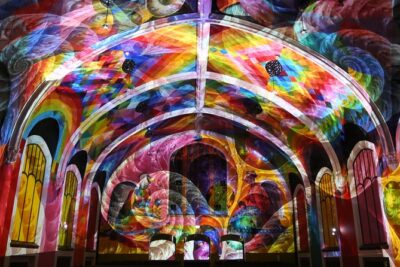 ★ 5.0BEYOND Light Show & MeditationFrom $25984 reviews
 ★ 4.5General Admission to Denver Botanic Gardens TicketFrom $16312 reviews
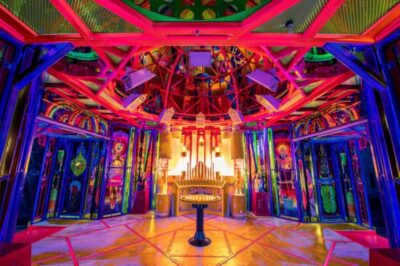 ★ 4.2Meow Wolf Convergence Station TicketFrom $36212 reviews
 ★ 4.6Downtown Aquarium All-Day PassFrom $27167 reviews
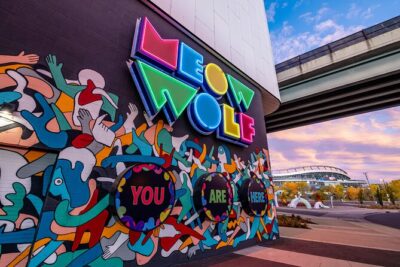 ★ 4.0Meow Wolf’s Convergence Station in DenverFrom $36162 reviews
 ★ 4.7CityPASS® with Access to 3, 4 or 5 AttractionsFrom $52151 reviews
 ★ 4.8Molly Brown House Museum Self-Guided Tour & EntryFrom $15108 reviews
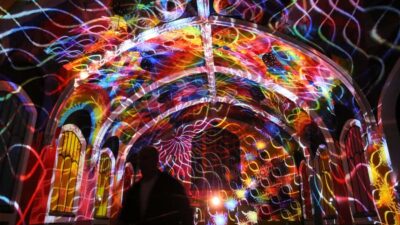 ★ 4.5BEYOND Light Show and MeditationFrom $25102 reviews
Browse the lists this tour appears in