
Reviewed · COLORADO ZIPLINE & AERIAL ADVENTURES
Denver: 6-Zipline Rocky Mountains Adventure Tour
Six thousand feet of ziplines near Denver. In about 3 hours, you’ll glide through pine forest and mountain meadows at speeds up to 50 mph, with ACCT-certified safety guiding every step—though there’s a 15–20 minute uphill hike at the start that’s not for the faint-of-breath.
What makes this one feel special is the way the guides run the day: clear safety talk, quick check-ins, and a fun vibe that keeps your mind on the next ride, not on worry. Names that keep coming up include Sam, Heath, and Tony, and the common thread is how attentive and supportive they are.
The logistics are refreshingly simple if you’re driving: you meet at 26267 Conifer Rd in Conifer, about 30 minutes from downtown Denver. At $151 per person for the guided adventure, safety gear, and snacks/drinks, it’s good value—just plan for temperature swings and pack light since backpacks aren’t allowed.
In This Review
- Quick takeaways before you fly
- Why this 6-zipline course is a smart Rocky Mountain day
- Getting to 26267 Conifer Rd (and why it matters)
- The safety briefing and gear check: quick, serious, not scary
- The uphill hike before the fun part
- The zipline runs: speed, height, and what it feels like
- Pine forests and meadows: why the scenery isn’t just a bonus
- Guide style: Sam, Heath, Tony, and the feel-safe energy
- What’s included (and where the extra cost can pop up)
- What to bring: shoes, layers, and small-rules that change the day
- Who this is for (and who should reconsider)
- Price and value: is $151 fair for 6,000+ feet of ziplines?
- Small weather realities (and how to plan around them)
- Should you book Denver’s 6-zipline Rocky Mountain adventure?
- FAQ
- Where is the meeting point?
- How long is the zipline tour?
- What’s included in the price?
- Do I need to arrange transportation from Denver?
- How fast and how high do the ziplines go?
- Are there weight limits?
- What should I bring and what can’t I bring?
Quick takeaways before you fly
- ACCT-certified guides and course mean the safety system is built-in, not improvised.
- Up to 50 mph and about 200 feet in the air on some lines keep the adrenaline real.
- First section has a steep uphill hike before the best view shows up.
- Sam, Heath, and Tony (and the crew) are repeatedly praised for being helpful and funny.
- GoPro rentals can turn the scare into something you can rewatch later.
- Weight limits are strict (40–245 lbs), and you’re privately weighed at check-in.
Why this 6-zipline course is a smart Rocky Mountain day
If you’re staying in Denver and want mountain air without spending your whole day driving, this is one of the most direct ways to get it. You’re close to town—roughly a half-hour from downtown—and you still get proper elevation, going up to over 8,000 feet (about 2,500 meters). That’s a big part of why the views feel so open and crisp.
I like that the experience is built around motion. This isn’t a slow scenic walk with one short zip at the end. The total zipline length is over 6,000 feet across six lines, with runs that can reach 50 mph. In plain terms: you come for the thrill, and you actually get it.
You’ll also notice the setting: pine forests first, then mountain meadows. That switch helps the whole day feel less repetitive. One moment you’re framed by trees, the next you’re looking out over open terrain. It’s the kind of variety that makes photos look different even when you’re shooting the same rider.
More air under your boots
Getting to 26267 Conifer Rd (and why it matters)
Most of the stress in day trips is transportation. Here, you can keep it simple by meeting right at 26267 Conifer Rd, Conifer, CO 80433.
If you’re in Denver proper (or near the Tech Center), there’s an optional pickup/drop-off service for an extra fee through Denver Adventures. The drive each way is about 30 minutes. If you’d rather skip the rental-car puzzle, that’s worth considering—especially if you’ll be tired from travel or you don’t want to worry about parking.
Either way, show up ready to walk. The course involves a hike at the start, and that uphill stretch isn’t a gentle warm-up stroll. If you’re coming straight from a city day, swap into good shoes and take a moment to steady your breathing before you start climbing.
The safety briefing and gear check: quick, serious, not scary
Right when you arrive, you’ll get a guided safety briefing and the required equipment. This is where you’ll feel the value of having ACCT-certified standards in place. The guides explain how the system works, what to do, and how they’ll help you stay comfortable.
From the reviews, a big reason people leave with a big smile is that the staff combines competence with kindness. The vibe isn’t stern. It’s more like: we’ve got you, and we’re going to get you through each step without drama.
You’ll also want to understand the equipment basics before you get to the platform. The goal is to help you move confidently even if you’re nervous. Many riders say they worried beforehand—especially if heights aren’t their thing—but the clear instruction and hands-on support made it easier.
The uphill hike before the fun part
Here’s the main drawback to plan around: the course has a 15–20 minute uphill hike. It’s part of how you reach the first lines, and it’s steep enough that you’ll feel it.
I recommend treating the first segment like a warm-up workout:
- Bring breathable clothing so you don’t overheat.
- Start steady. Don’t sprint up because you’ll blow your legs early.
- If you get a little winded, that’s normal. Everyone has to earn those first zips.
Also, pack for comfort at altitude. The temperature difference between Denver and the zipline area can be as much as 20 degrees. That can mean chilly air at the start and warmer feelings later. Layers help.
The zipline runs: speed, height, and what it feels like
Once the platforms come into view, the day becomes physical in a different way. You’ll glide through pine forest and over mountain meadows, reaching speeds up to 50 mph and getting as high as around 200 feet above the ground on some parts of the route.
What you should expect, moment to moment:
- You’ll move fast quickly. The first few seconds can feel like a jump in intensity.
- Your brain will do the math—height, distance, speed—then the guides’ instructions will take over.
- The views start simple (trees and trail), then open up as you progress.
If you’re thinking about comfort, focus on the parts you can control: keep your posture as instructed, follow the guide’s timing, and don’t rush yourself during transitions. The guides are used to nervous riders, and that showed up repeatedly in the way they’re described: attentive, supportive, and making sure everyone is ready.
Also, the name of the game is variety across six different lines. Even if one run feels like the biggest one in your mind, the total route is designed so you’re not just repeating the same sensation again and again.
Pine forests and meadows: why the scenery isn’t just a bonus
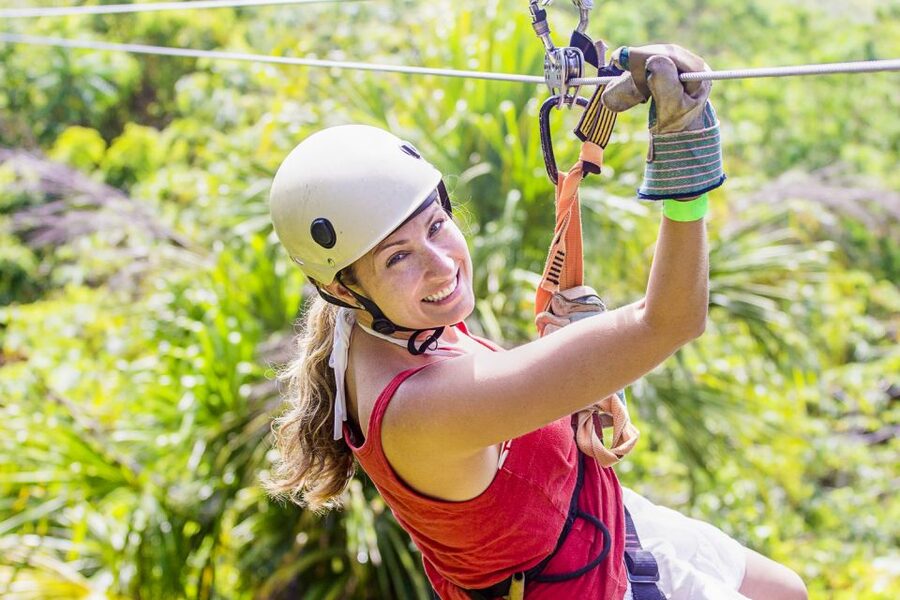
Scenery is often just a side effect on adventure tours. Here, it’s part of the design.
The day starts through pine forest, so the lines feel framed and shaded. That matters because it gives you visual reference—branches and tree trunks create a sense of motion and depth. It’s also cooler under the trees on a warm day.
Later, the ride opens toward mountain meadows, where the air and horizon feel larger. That shift is one reason people come away talking about the experience in a “relaxation + adrenaline” way. You’re still flying fast, but you’re seeing something big while you do it.
In practical terms: if you’re going for photos, you’ll likely get more variety than on courses that stay enclosed. And if you’re going for peace, the open views can make the scary parts feel shorter.

Guide style: Sam, Heath, Tony, and the feel-safe energy
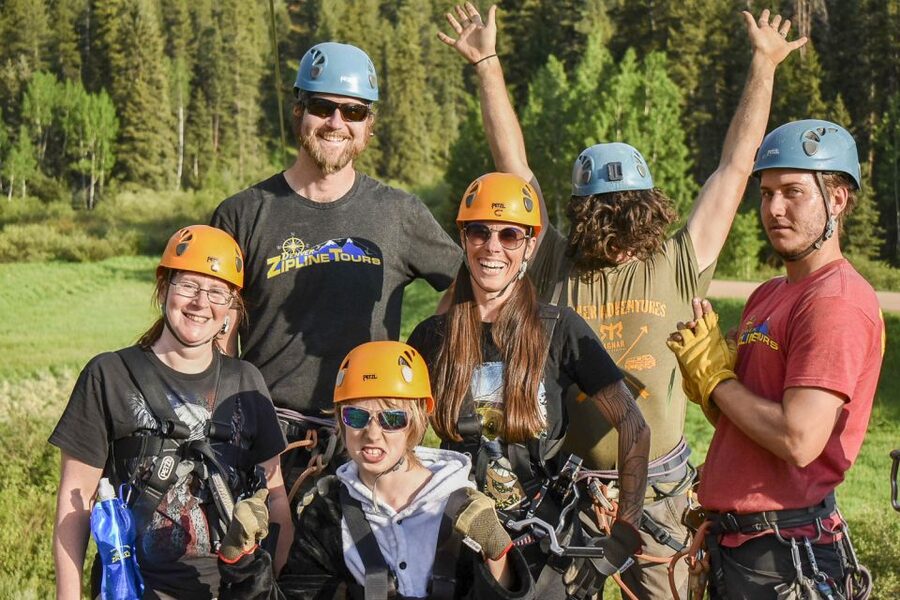
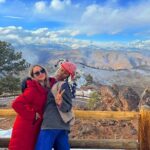
One of the highest-praise themes here is the guide team. Names come up like Sam, Heath, and Tony, and the consistent takeaway is that they’re:
- kind and helpful
- attentive and supportive
- good at keeping the energy light while still staying serious about safety
This is important because ziplining has a mental component. Even when the physical setup is safe, your body can feel uncertain—especially if you’re afraid of heights. The guides’ job is to close that gap quickly.
A helpful detail from rider tips: bring a water bottle (and plan to hydrate). Some rides involve steep walking between platforms, and water helps you keep your energy for each line. People also mention refill water spots during the hikes, which is great if you don’t want to lug a huge amount from the start.
What’s included (and where the extra cost can pop up)
You get a lot for the base price. What’s included:
- ACCT-certified guides
- ACCT-certified course
- All safety equipment
- Snacks and drinks
That’s why the cost feels more reasonable than “cheap adventure with extra fees.” Snacks and drinks take the edge off the workout element, and safety gear is one less thing to worry about.
Not included:
- Optional pickup/drop-off from Denver or nearby areas west of Denver (an extra fee).
- GoPro cameras to rent onsite (you can add this if you want video).
If you’re deciding whether it’s worth adding the GoPro, here’s how I’d think about it: if you’re nervous, a video can turn the memory into something you can rewatch later without replaying fear. Riders also highlight that the GoPro footage can come out especially clear, which makes it feel like a real souvenir, not just a blur.
What to bring: shoes, layers, and small-rules that change the day
Bring:
- sunglasses
- closed-toe shoes
- breathable clothing
- extra layers (Colorado weather can change fast)
- sunscreen, hat/cap, and light gloves if you run cold easily
- a way to carry your essentials without using a backpack
That last point matters because backpacks aren’t allowed. Yet you’ll still want to bring your small items—camera, water bottle, and personal stuff. Plan to keep it minimal and easy to manage while walking.
From rider tips: if you have long hair, bring a hair tie. It’s a tiny thing, but it prevents that annoying mid-ride adjustment and keeps you comfortable while you’re focused on flying.
Also, don’t skip sunglasses. The combination of light at altitude and speed makes eye protection more than a fashion choice.
Who this is for (and who should reconsider)
This tour is best for people who:
- are in good physical condition
- can handle a steep uphill hike at the start
- aren’t dealing with medical constraints that make exertion unsafe
The tour isn’t suitable if you’re pregnant, have heart problems, have had recent surgery or injuries that affect you, or you have extreme fear of heights. Even if you think you can “push through,” the uphill portion plus the height exposure can be a lot.
Weight limits are also enforced strictly: maximum 245 lbs, minimum 40 lbs. Everyone is privately weighed at check-in, and the weigh-in includes clothes and shoes but not zipline gear. That’s not the place to hope for exceptions.
If you’re unsure, use the information as your filter. I’d rather you feel confident before you go than arrive and have to rethink the day on-site.
Price and value: is $151 fair for 6,000+ feet of ziplines?
At about $151 per person for a 3-hour adventure, the value comes from what you actually get, not just the thrill number.
You’re paying for:
- a real guided course (not a DIY activity)
- safety equipment included
- ACCT-certified staffing
- snacks and drinks included
- a full route with multiple lines totaling over 6,000 feet
If you add GoPro rentals, it increases cost, but that’s optional. If you need pickup/drop-off, that’s another optional layer.
If you’re comparing this to doing a half-day of planning and driving for “something outdoors,” this is typically the kind of experience that feels worth it because it’s structured. You don’t spend your time wondering what to do next. You show up, get geared up, and fly.
Small weather realities (and how to plan around them)
Colorado weather can shift quickly. The operator can cancel due to weather or other factors, and you’d be refunded or offered a future trip. Translation: don’t schedule a zipline as your only outdoor plan for the entire day.
Bring layers and plan to wear clothing that works if you start cold and end warmer. Temperature swings of up to 20 degrees between Denver and the course are enough to make this worth thinking about.
Should you book Denver’s 6-zipline Rocky Mountain adventure?
Book it if you want a fast, close-to-Denver way to experience real Rocky Mountain ziplining with strong safety standards and guides who keep the day fun. I’d especially recommend it if you like the mix of adrenaline and scenery—pine forest first, then more open mountain views—and if you’re okay with a short but steep uphill hike.
Skip it if you can’t manage that climb, if your comfort with heights is low, or if you fall into the medical categories listed as not suitable.
If you book, do three things and you’ll feel more relaxed all day: wear proper shoes, bring sunglasses and layers, and keep a bottle handy for the hike portion.
FAQ
Where is the meeting point?
You’ll meet at 26267 Conifer Rd, Conifer, CO 80433.
How long is the zipline tour?
Plan for about 3 hours total.
What’s included in the price?
The tour includes ACCT-certified guides, an ACCT-certified course, all safety equipment, and snacks and drinks.
Do I need to arrange transportation from Denver?
Pickup and drop-off from downtown Denver, the Tech Center, or other locations west of Denver can be arranged for an extra fee. Otherwise, you’ll use the on-site meeting point in Conifer.
How fast and how high do the ziplines go?
You can reach speeds up to 50 mph. Some rides can be around 200 feet high.
Are there weight limits?
Yes. Riders must be between 40 lbs and 245 lbs, and the limits are enforced with private weigh-ins at check-in.
What should I bring and what can’t I bring?
Bring sunglasses and closed-toe shoes, plus breathable clothing and layers for changing weather. Backpacks aren’t allowed.
More Tours in Denver
- Small Group Tour of Pikes Peak and the Garden of the Gods from Denver★ 5.0 · 3,079 reviews
- Downtown Denver Food Tour★ 5.0 · 1,751 reviews
- Twilight Ghost Tour★ 5.0 · 1,437 reviews
- The EDGE: Zip Line Tour★ 5.0 · 1,153 reviews
- 2 Hour LoDo Historic Walking Tour in Denver★ 5.0 · 1,106 reviews
More Tour Reviews in Denver
- Discover Rocky Mountain National Park★ 5.0 · 3,419 reviews
- Small Group Tour of Pikes Peak and the Garden of the Gods from Denver★ 5.0 · 3,079 reviews
- Rocky Mountain Escape★ 5.0 · 1,977 reviews
- Downtown Denver Food Tour★ 5.0 · 1,751 reviews
- Red Rocks & Beyond★ 5.0 · 1,583 reviews
More Ziplines and High Wires
- The EDGE: Zip Line Tour★ 5.0 · 1,153 reviews
- Rocky Mountain 6-Zipline Adventure on CO Longest and Fastest!★ 5.0 · 758 reviews
- The EDGE: Epic Sky Trek★ 5.0 · 166 reviews
- Rocky Mountain 4-Zipline Adventure on CO Longest and Fastest!★ 5.0 · 26 reviews
- Half Day Rappelling Clinic★ 5.0 · 18 reviews
Just Added: Fresh Denver Reviews
- Winter fun-Private transportation to Ski, snowmobiling, and dog sledding areas.
★ 5.0 · 3 reviews - Vintner’s Personalized Wine Tasting Experience
★ 4.5 · 3 reviews - Private Jeep Tour to Red Rocks, Dinosaur Ridge, Lookout Mountain
★ 4.5 · 3 reviews - Denver Int’l Airport (DEN) to Aspen Luxury Private SUV
★ 3.5 · 3 reviews - Private Car Service from Denver Int’l Airport (DEN) to Aspen or Snowmass
★ 5.0 · 3 reviews - Breckenridge & Continental Divide – Private Tour
★ 5.0 · 3 reviews
Colorado Zipline & Aerial Adventures, compared.
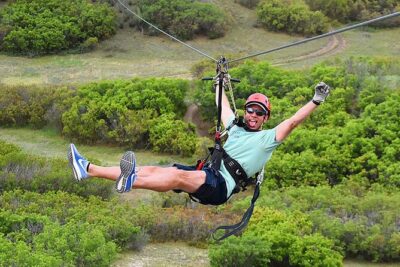 ★ 5.0The EDGE: Zip Line Tour1,153 reviews
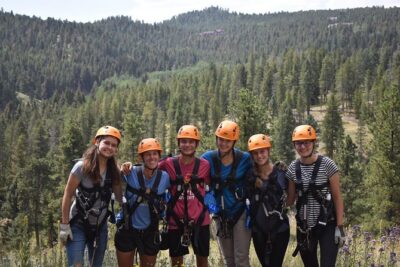 ★ 5.0Rocky Mountain 6-Zipline Adventure on CO Longest and Fastest!From $151758 reviews
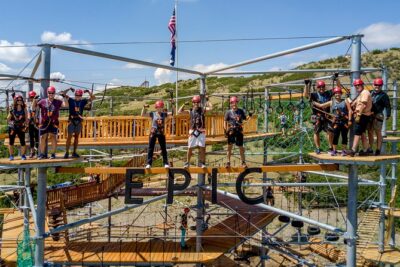 ★ 5.0The EDGE: Epic Sky Trek166 reviews
 ★ 5.0Activity to Open Air Adventure Park.From $41109 reviews
 ★ 5.0Rocky Mountain 4-Zipline Adventure on CO Longest and Fastest!From $12926 reviews
 ★ 4.7Idaho Springs: Clear Creek Ziplining ExperienceFrom $10518 reviews
 ★ 5.0Half Day Rappelling Clinic18 reviews
 ★ 4.5Idaho Springs Cliffside ZiplineFrom $9517 reviews
Browse the lists this tour appears in